Supermoon Lunar Eclipse: How to Take the Best Photos of the Rare Spectacle
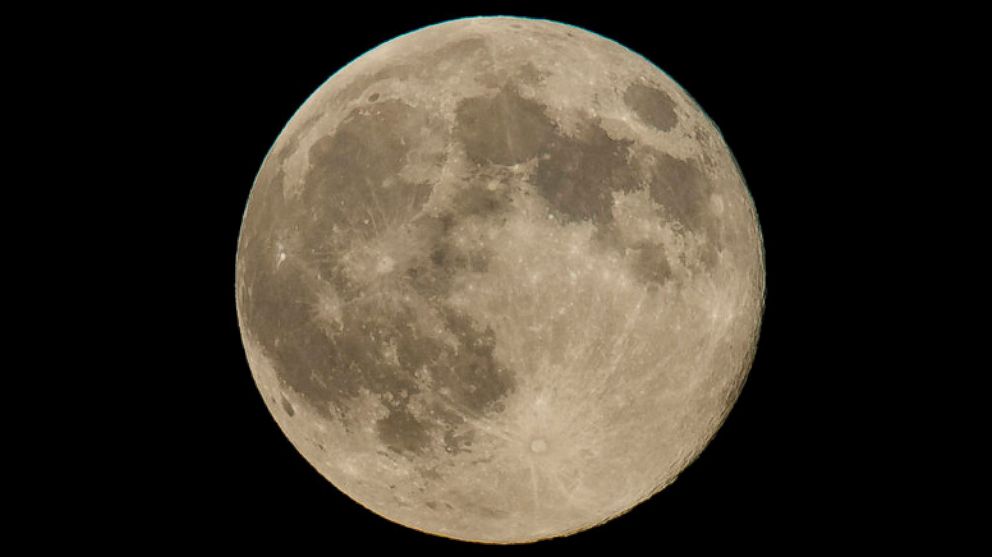
— -- For the first time in the era of Instagram, a rare supermoon lunar eclipse will take precedence in the sky Sunday night. The spectacle is so rare it won't be seen again until 2033, so you'll want to have your smartphone camera ready to capture the magnificence of the moment.
In a NASA blog post, Bill Ingalls, the senior photographer at the space agency shared his top tip for photographing the rare coincidence of a supermoon and a lunar eclipse.
"Don’t make the mistake of photographing the moon by itself with no reference to anything," he said. "I’ve certainly done it myself, but everyone will get that shot. Instead, think of how to make the image creative—that means tying it into some land-based object. It can be a local landmark or anything to give your photo a sense of place."
A supermoon occurs when a full moon happens when it is at the closest point in its elliptical orbit around Earth, making the full moon appear up to 14 percent larger and brighter than usual. A lunar eclipse occurs when the moon passes into Earth's shadow, often turning a blood red color.
The partial lunar eclipse is set to begin at 9:07 p.m. ET and will be visible to most people in the Americas, Europe, Africa and the Middle East, according to EarthSky.org. The total lunar eclipse begins at 11:11 p.m. ET.
For those who prefer to watch on their computer screens, NASA's live stream will begin at 8 pm EDT from the Marshall Space Flight Center in Huntsville, Alabama and will also feature a live look from the Griffith Observatory in Los Angeles.
No matter how you choose to watch, you won't want to miss this event. The next supermoon lunar eclipse won't come around until 2033.