Supreme Court says Exxon can sue Cuba over $1B in seized property -- potentially boosting US financial pressure on the country
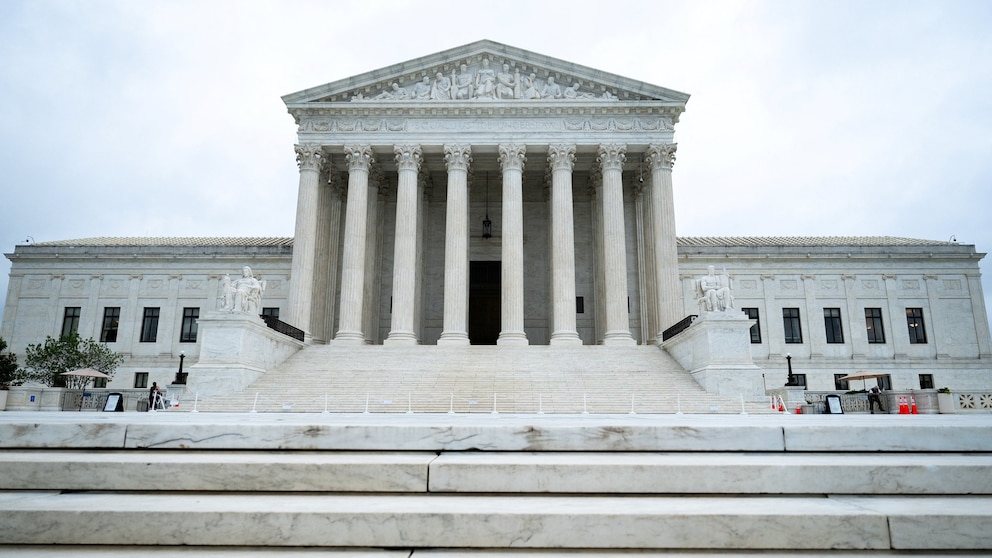
The Supreme Court on Tuesday ruled that oil giant Exxon Mobil can sue the Cuban government over more than $1 billion in seized property, potentially giving the United States greater financial leverage over the cash-strapped country.
In a 6-3 decision split along ideological lines, Justice Brett Kavanaugh said that state-owned companies can't argue they are protected by sovereign immunity to fight litigation over assets seized by Cuba's communist government.
The decision -- as well as a similar case last month when the Supreme Court ruled companies can be held liable for using seized property -- comes as the Trump administration ratchets pressure on the struggling island nation through embargoes and a criminal indictment of former leader Raul Castro. The decision could open the door to more litigation over assets seized by the Cuban government, adding pressure to the economically distressed country.
The case revolved around the interpretation of the Cuban Liberty and Democratic Solidarity Act of 1996, also known as the Helms-Burton Act, which was passed by Congress after Cuba shot down two unarmed planes flown by humanitarian organization Brothers to the Rescue. The law established the right of U.S. nationals to sue over property seized by the Cuban government, though every president until President Donald Trump waived that provision.
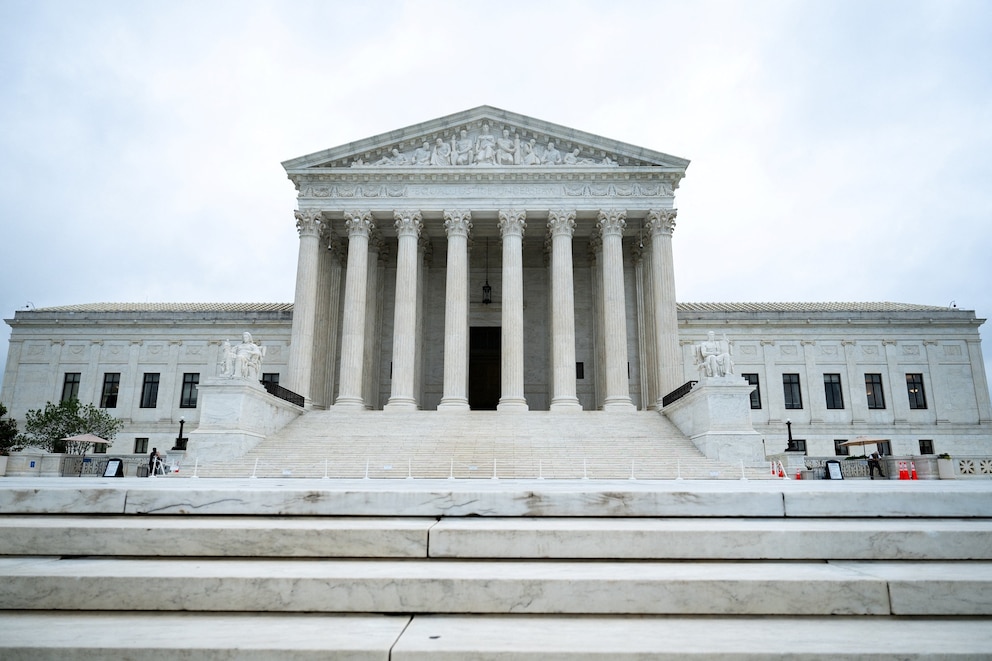
The day Trump allowed lawsuits against Cuba in 2019, Exxon Mobil sued over their property in the country -- including hundreds of gas stations, an oil refinery, depots and packaging plants -- valued at more than $1 billion. In court, the Cuban government argued that the companies were protected by the Foreign Sovereign Immunities Act (FSIA) and that Exxon would need to show they were exempted from that law for the case to proceed. Both the district and circuit courts sided with Cuba -- eventually leading the case to the Supreme Court, which reversed those rulings in the opinion on Tuesday.
"It would make little sense for Congress to construct an elaborate statute authorizing suits against the Cuban government agencies and instrumentalities if, because of the FSIA, almost no suits could ever get through the courthouse door,” Justice Kavanaugh wrote.
Justice Kavanaugh wrote that “the entire architecture of the Helms-Burton Act" establishes that sovereign immunity does not apply and that ruling otherwise would "badly undermine Congress’s design and thwart the President’s statutorily authorized assessment of current developments in Cuba."
"After the President has allowed suits under the Act to go forward, there is no additional FSIA hurdle that a plaintiff must clear in order to sue Cuban agencies or instrumentalities," wrote Kavanaugh. "The Helms-Burton Act authorizes private suits against Cuban agencies and instrumentalities -- suits that would largely be nonstarters if subjected to the FSIA’s requirements."
The court’s three liberal justices dissented from the majority, writing that the Helms-Burton Act falls short of the high legal bar to show that it eliminates claims of sovereign immunity.
"Nothing in the text or 'architecture' of the Helms-Burton Act suggests that Congress abrogated the sovereign immunity of these defendants -- much less that it did so with the requisite unmistakable clarity," Justice Elena Kagan wrote.
Last month, the Supreme Court delivered a similar defeat for Cuba, ruling that cruise lines Royal Caribbean, Carnival, Norwegian and MSC can be held liable for using a port confiscated by the Cuban government.