Supreme Court hears major challenge to campaign spending limits

As candidates and political parties gear up for the 2026 midterm election campaign, the Supreme Court on Tuesday will consider whether long-standing legal limits on coordinated spending -- enacted to prevent corruption -- violate the First Amendment.
The case was brought by Republican senatorial and congressional campaign committees along with then-Sen. JD Vance and former Rep. Steve Chabot, both Ohio Republicans, against the Federal Election Commission, which is tasked with enforcing the rules.
The coalition seeks to eliminate limits on the ability of parties, which often have a fundraising advantage over individual candidates, to more freely and directly finance TV ads and organizing efforts of candidates they favor. The practice is known as coordinated spending.
Oral arguments will take place before a Supreme Court that has been consistently skeptical of campaign finance regulations on free speech grounds, narrowing the scope of contribution limits and in 2014 famously rolling back caps on corporate campaign spending with the Citizens United decision.
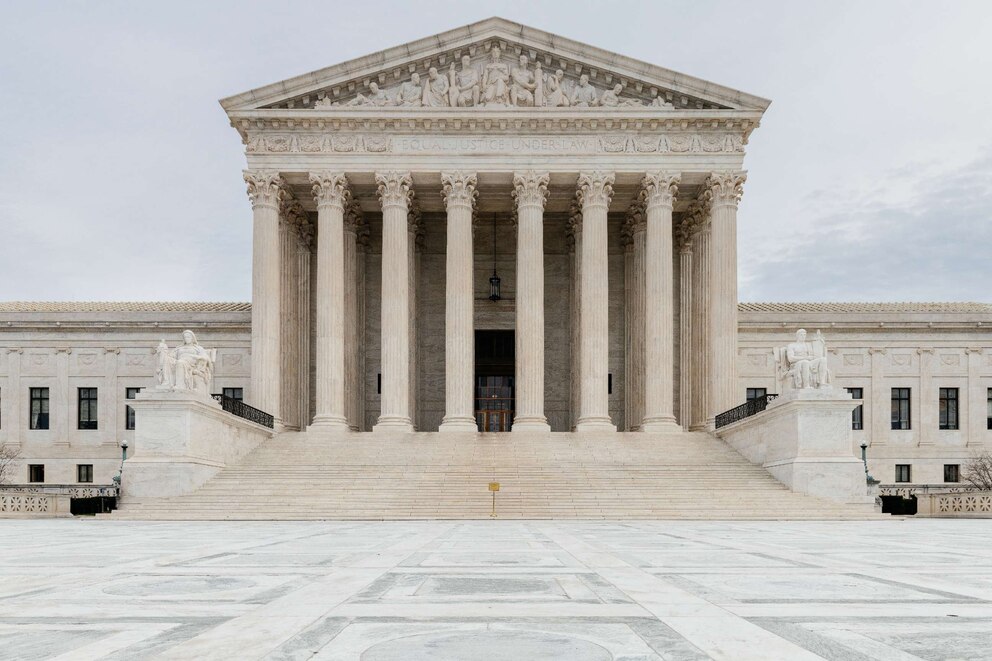
The Trump administration, which controls the FEC, is declining to enforce or defend coordinated spending limits. In its place, the Democratic National Committee and a Supreme Court-appointed attorney will argue for why they should be preserved.
"This has been held constitutional at least twice before by the Supreme Court and more times by lower courts," said Marc Elias, the Democratic attorney defending the law. "The entire campaign finance system is built upon these limits."
Congress in 1974 set limits on the amount of money American individuals, organizations and political parties can give directly to candidates, and the Supreme Court has upheld them as permissible protections against bribery in the electoral process.
In 2025, the political contribution limits are $3,500 per person to an individual candidate and $44,300 per person to a national party committee per year, according to the FEC.
At issue in this case are added limits set by Congress on the amount of money a political party can spend in direct coordination with a candidate.
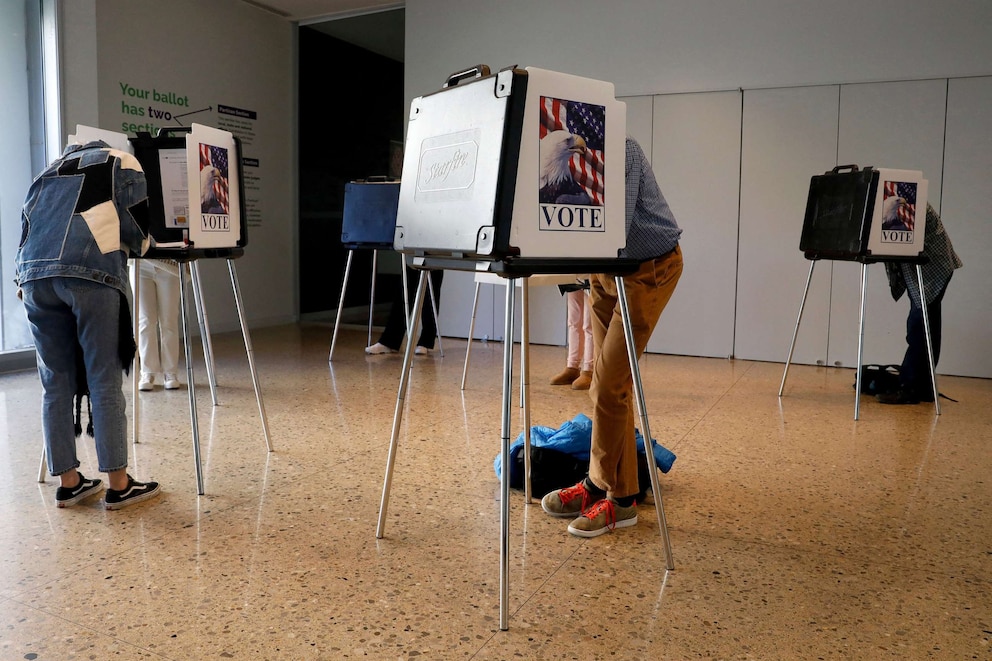
The FEC’s coordinated spending limits are computed based on each state’s voting-age population and the number of members of Congress. For Senate nominees, the cap is between $127,200 and $3.9 million in 2025; for House nominees, the limit is $63,300 in most states, according to the FEC.
Advocates say the spending limits prevent quid pro quo corruption between a candidate and party, and prevent individuals from attempting to circumvent contribution rules by essentially funneling donations to a candidate through the party, which is subject to the higher caps.
"If those contributions, which dwarf the base limits on [individual] contributions to candidates, are effectively placed at a candidate's disposal through coordinated spending, they become potent sources of actual or apparent corruption," argue attorneys for Public Citizen, a nonprofit voter advocacy group, in a brief to the high court.
More than a dozen states and independent election watchdog groups have also urged the court to leave campaign-finance rules to legislators, arguing they are better positioned to establish policies for elections than judges are.
The defenders of the limits also contend that the Republican plaintiffs lack legal standing to bring the case. They say that because the Trump FEC is not going to enforce the rules, there is no injury to the parties involved and that Vance and Chabot are not even active candidates for office who would be affected by the coordinated spending limits.
Republicans insist coordinated spending limits are unconstitutional suppression of free speech and that they are ineffective in the purported goal of curbing corruption.
"One of the key functions of a political party is to make sure that its candidates will vote for the party’s platform once in office," the Republican committees tell the Supreme Court.
The case -- National Republican Senatorial Committee, et al. v. Federal Election Commission -- is expected to be decided by the end of June 2026 when the Supreme Court’s term concludes.