• Video
  • Shop
  • Culture
  • Family
  • Wellness
  • Food
  • Living
  • Style
  • Travel
  • News
  • Book Club
  • Newsletter
  • Privacy Policy
  • Your US State Privacy Rights
  • Children's Online Privacy Policy
  • Interest-Based Ads
  • Terms of Use
  • Do Not Sell My Info
  • Contact Us
  • Recalls and Product Safety Alerts
  • © 2026 ABC News
  • News

There's still time to catch the 2019 Lyrid meteor shower
6:02
News headlines today: April 22, 2019
STOCK PHOTO/Getty Images
ByJulia Jacobo
April 22, 2019, 10:02 PM

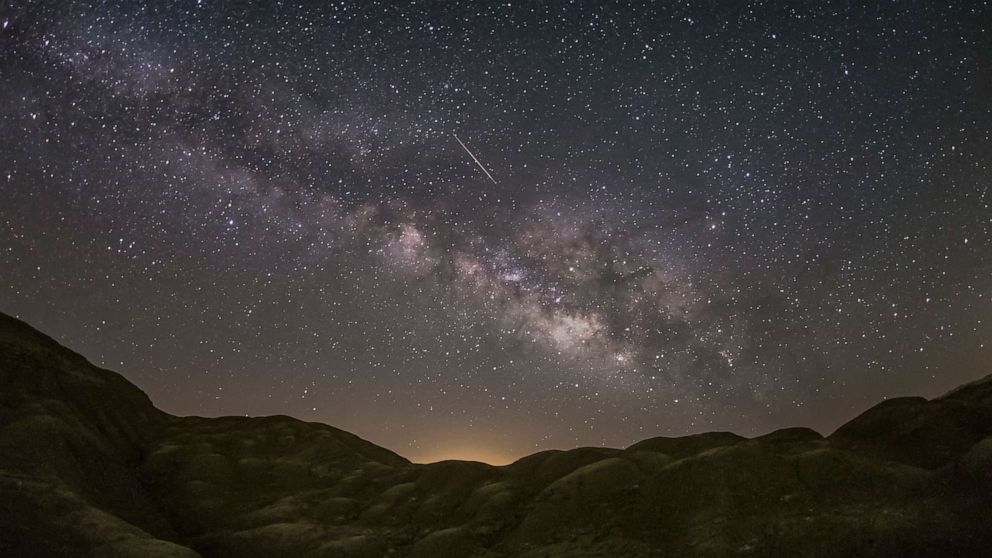
If you missed portions of the light show from the Lyrid meteor shower on Sunday night, fret not. An encore performance is expected to last from Monday night into dawn on Tuesday.

The phenomenon occurs when Earth passes through the dust trail left behind by comets, according to Space.com. The Lyrids seem to streak out from an area, called the radiant point, near the bright star named Vega.

Related Articles

(MORE: Best images from this year's Perseid meteor shower)

The best time to watch the meteors will be around 9 p.m. to 10 p.m. local time in the Northern Hemisphere before Vega, which is 25 light years away, rises, according to EarthSky.org. The peak of the shower is expected to occur Tuesday morning, with another opportune viewing time frame between 3 a.m. and 4 a.m. ET. However, the moonlight will wash out the view a bit more.
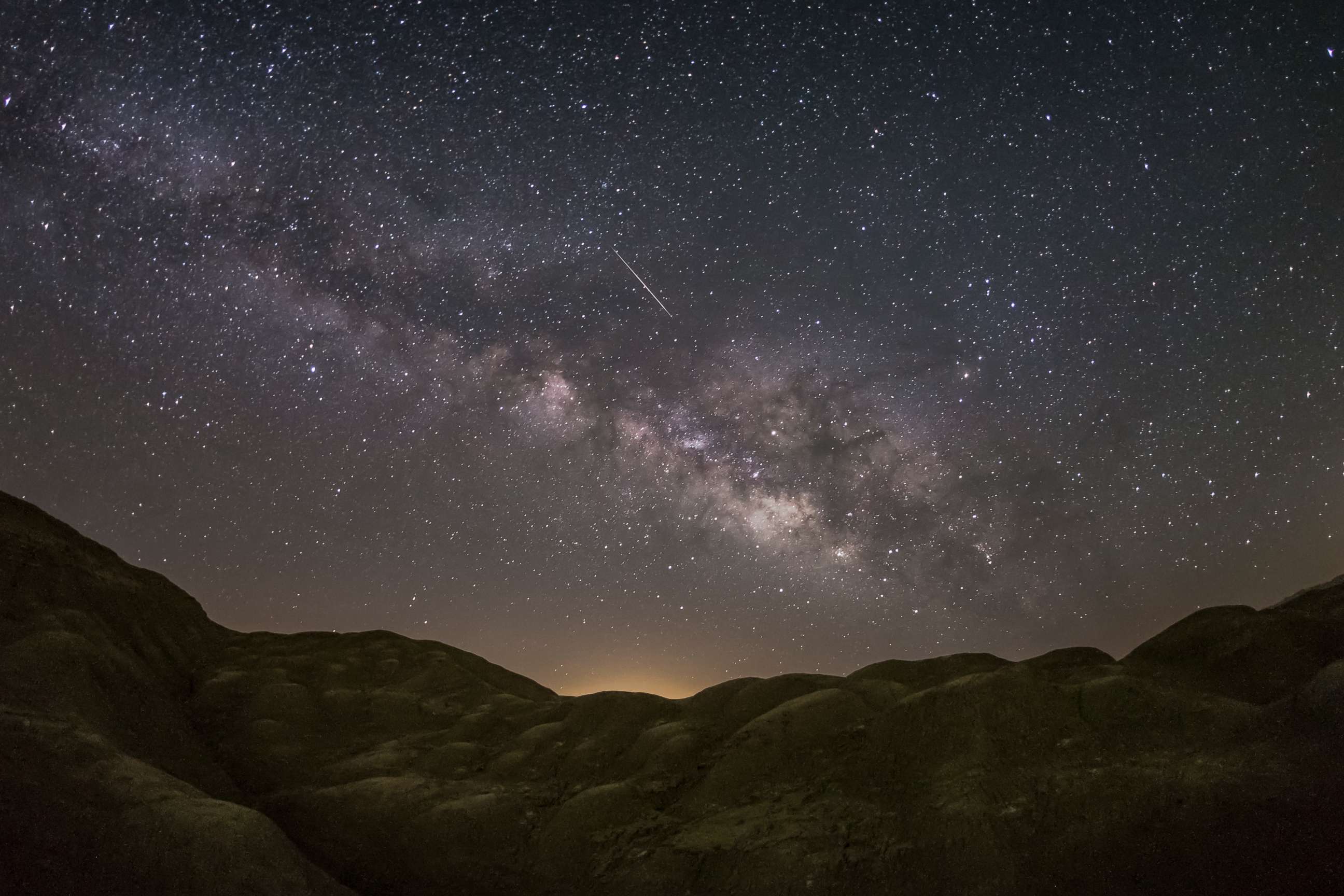
A Lyrid Meteor is pictured in the Anza-Borrego Desert in California.
STOCK PHOTO/Getty Images

The best views will come from the Northern Hemisphere, according to Space.com. Up to 18 meteors are expected per hour, but the brightness from the full moon may make them less visible.

Related Articles

(MORE: Green meteor shower thrills stargazers in Australia)

NASA advises star-gazers to go somewhere as dark as possible and give their eyes up to 30 minutes to adjust to the darkness. The site also cautions against using telescopes and binoculars, since the showers take up the entire sky and the tools will only narrow the viewer's scope.

The Lyrids' source, the Comet Thatcher, orbits the sun every 415 years, but Earth passes through its path every year during the springtime. The Lyrids meteor shower has been seen as early as 687 B.C. and is one of the earliest recorded, according to Space.com.

Related Articles

(MORE: Possible meteor spotted flying over New England)

But, don't just focus on the radiant point, because meteors coming from farther away will produce longer, more striking tails, Space.com reported.

The Lyrid showers also tend to produce outbursts of up to 100 meteors per hour, but those outbursts are difficult to predict.


Up Next in News—

French lawmakers adopt social media ban for kids under 15

July 21, 2026

Trial begins for mom accused of killing her 3 children

July 20, 2026

Officer speaks out after rescuing driver trapped in burning car

July 20, 2026

Taylor Farms recalls lettuce in 27 states amid cyclosporiasis outbreak: What to know

July 20, 2026

Shop GMA Favorites

ABC will receive a commission for purchases made through these links.

Sponsored Content by Taboola

The latest lifestyle and entertainment news and inspiration for how to live your best life - all from Good Morning America.
  • Contests
  • Terms of Use
  • Privacy Policy
  • Do Not Sell My Info
  • Children’s Online Privacy Policy
  • Advertise with us
  • Your US State Privacy Rights
  • Interest-Based Ads
  • About Nielsen Measurement
  • Press
  • Feedback
  • Shop FAQs
  • ABC News
  • ABC
  • All Videos
  • All Topics
  • Sitemap
  • Recalls and Product Safety Alerts

© 2026 ABC News
  • Privacy Policy— 
  • Your US State Privacy Rights— 
  • Children's Online Privacy Policy— 
  • Interest-Based Ads— 
  • Terms of Use— 
  • Do Not Sell My Info— 
  • Contact Us— 
  • Recalls and Product Safety Alerts— 

© 2026 ABC News