Toxic toad population increases in South Florida due to climate impact: Experts
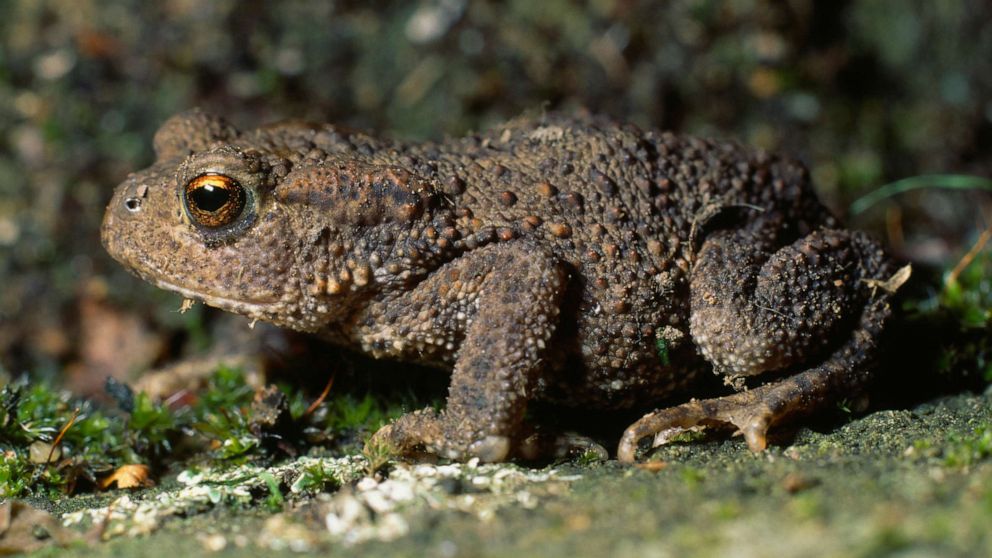
Toxic toads are returning to South Florida in growing numbers as the region falls back into its warm, rainy summer season, experts say, and they want people to be aware of the risk to pets.
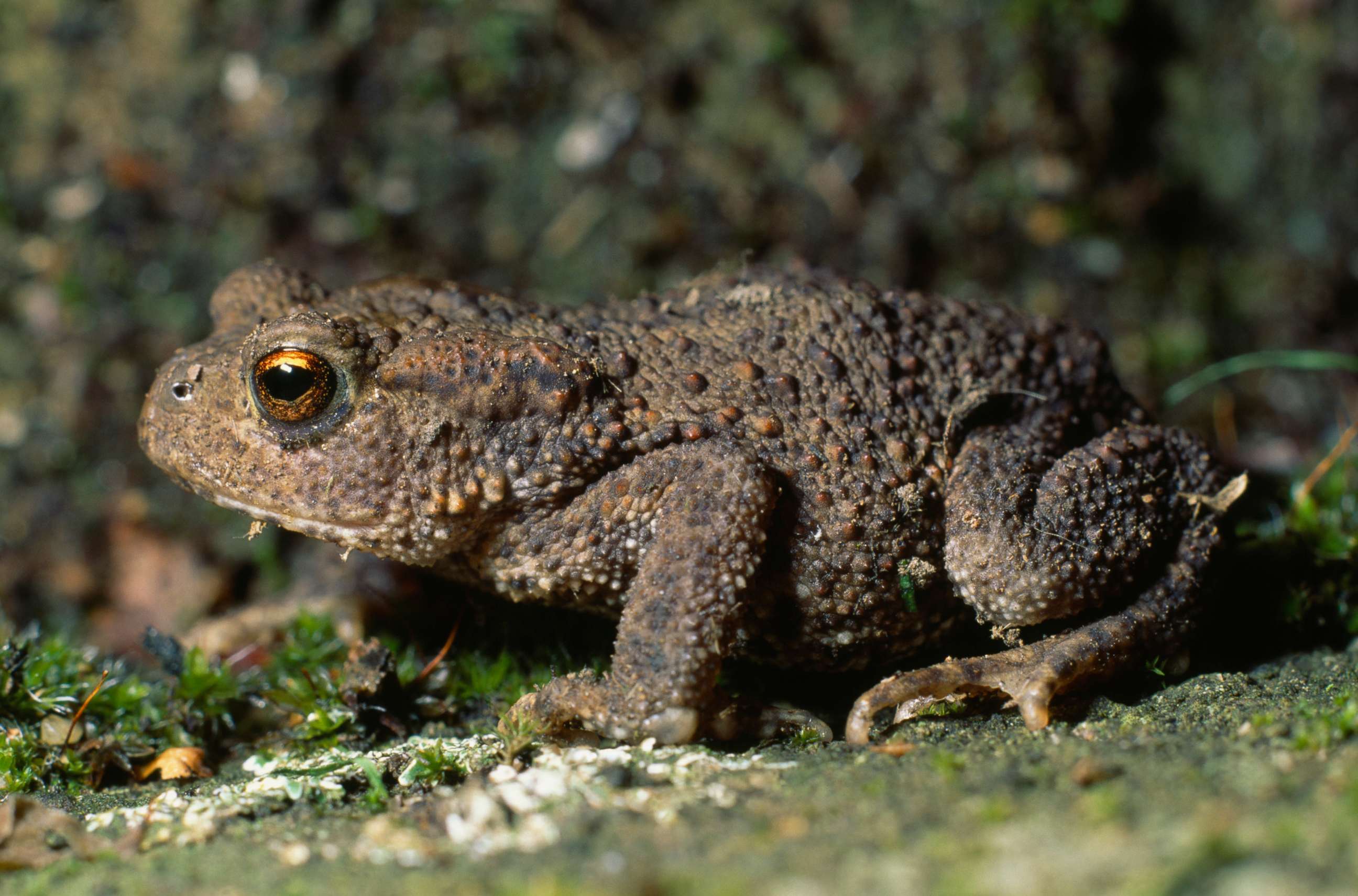
The bufo toad, also known as the cane toad, is a common summer sight in South Florida, but experts in the area believe the species is returning in larger numbers than in previous years.
Jeannine Tilford, owner of local toad management company Toad Busters, said that the changing climate has impacted the population of bufo toads in the area.
Tilford told ABC News that because the region's temperatures did not drop as consistently as they usually do in winter months, toads that usually would have been too weak or young to survive the winter in the past were able to make it to spring this year.
A main component of Toad Busters' work is moving toads to habitats where they aren't a danger to other animals, especially dogs, which can be killed by licking or eating the toads.
Tilford explained that the organization has been expanding west in Florida, and establishing more habitats with properly contained areas and lakes.
She said Toad Busters has shown over the last seven years that management is possible by safely collecting the toads.
The key to containment, Tilford said, is consistency.
"As long as you maintain it, we go from collecting hundreds one night to 30 the next. If you let it go for eight months, a couple cycles go by and they reproduce into large numbers," Tilford told ABC News.
Tilford said that an influx of people relocating from states like California, New York and New Jersey to Florida has further contributed to dogs dying due to the poisonous toads.
"We had a lot more dog deaths this year," Tilford said. "People don't know about the toads, let their dogs out in the backyard and it only takes a couple of minutes."
Tilford said the best thing for new residents is education.
"They need to understand what we have here, what [the toads] look like and what to do if you have a dog and a backyard," she said.
Dogs are more likely than cats to try and attack or eat a bufo toad, which poisons the dog, data from the University of Florida showed. Depending on the amount of poison ingested, symptoms often include pink or red gums, drooling or frothing at the mouth, pawing at the mouth, seizures and sometimes cardiac arrest.
Tilford told ABC News that residents shouldn't let their dogs loose in the backyard, especially during evening hours, as the toads are nocturnal.
She added that if a dog does have contact with a toad, immediately wipe out the dog's mouth with a wet rag and take the dog to the nearest emergency animal hospital.
If there are bufo toads on a resident's property, Tilford said the homeowner should reach out to have them removed from the area and they should install barrier fencing. While they aren't deadly to humans, they can cause skin and eye irritation and should not be handled without gloves.
Bufo toads can be found in urban, suburban and agricultural areas, most commonly in yards, around buildings or near canals and ponds, according to the Florida Fish and Wildlife Conservation Commission.
The commission added that bufo toads breed year-round in standing water, streams, canals and ditches.