Climate change could increase risk of infectious disease transmission across species, scientists say
The number of ways in which climate change is predicted to affect human life and vitality continues to increase.
Scientists now believe that global warming will significantly increase the number of viral transmissions across species in the coming decades, therefore posing further risk to other animals and humans of infectious diseases, such as COVID-19, according to a study published in Nature on Thursday.
As the global temperatures continue to rise, many animal species will likely migrate to new environments, taking their parasites and pathogens with them and facilitating viral sharing between species that previously had no interactions, according to the study. That increase could then assist in "zoonotic spillover," or the transmission of pathogens from wild animals to humans.
The researchers suggest at least 15,000 new cross-species viral transmissions are forecast to happen by 2070, driven by climate change of 2-degrees Celsius, which is the worst-case scenario highlighted under the Paris Agreement.
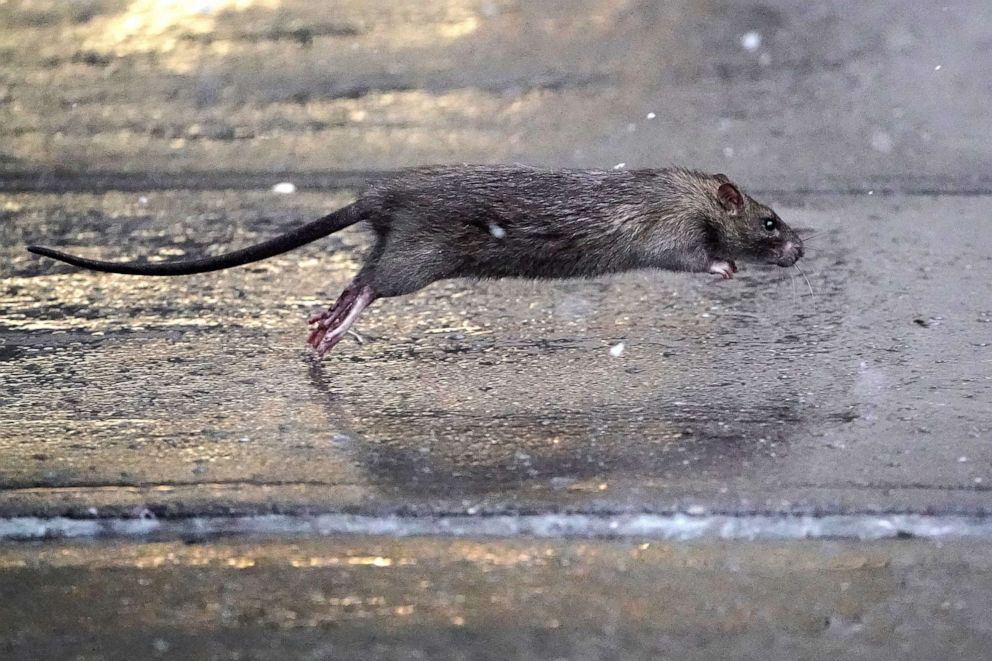
While novel encounters between mammal species are expected to occur everywhere in the world, they are especially expected to take place in tropical regions home to most of the infectious diseases capable of the zoonotic spillover transmission, such as regions of tropical Africa and southeast Asia that have a high population density of humans as well.
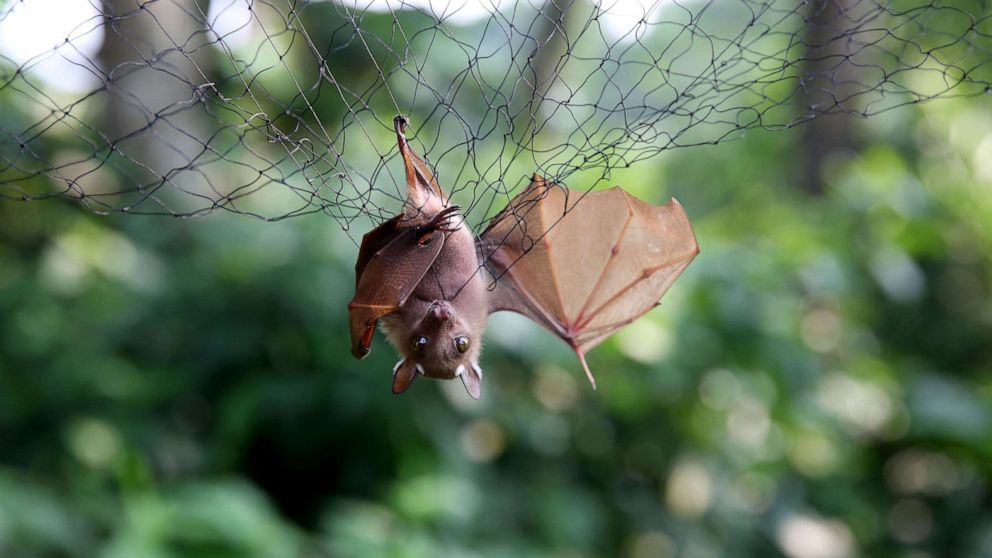
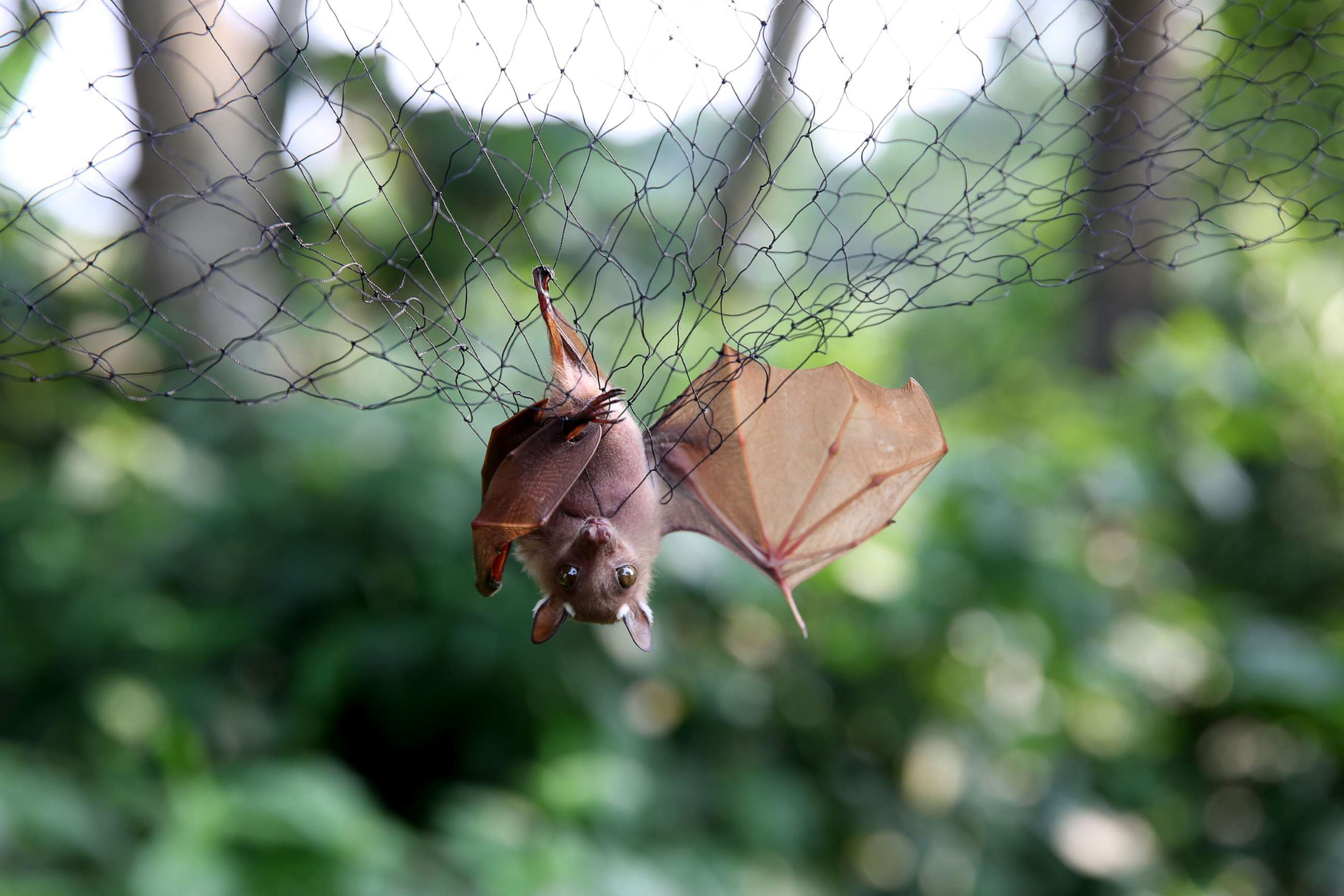
These novel virus sharing events are predicted to be driven predominantly by bats, which are likely to harbor viruses with a high chance of being transmissible to humans.
Climate-driven shifts in hotspots for species dispersal and viral evolution may already be happening, given that warming is already well underway, the authors wrote.

The COVID-19 virus likely originated from animal to human transmission, the World Health Organization determined. The virus likely transmitted from a bat to another animal and subsequently to humans, according to a joint report by China and the WHO released in March 2021.
"I think we will continue to see risks from female viruses like Ebola, from corona viruses, from flu in particular," Colin Carlson, a research professor at Georgetown University's Center for Global Health and Science Study and author of the study, said during a press conference Thursday.
The findings suggest that climate change has the potential to become a dominant driving force in cross-species viral transmission, which could increase the risk of transmission of infectious diseases to humans, the authors said, highlighting the need to combine viral surveillance with assessments of changes to species range as a result of climate change.
"This is happening," Gregory Albery, co-author of the study and disease ecologist at Georgetown University, said during the news conference. "It is not preventable even in the best case climate change scenarios, and we need to put measures in place to build health infrastructure to protect animal and human populations."