Trump administration removes federal protections from streams, wetlands
The Trump administration will remove Obama-era clean water protections intended to protect rivers, streams, wetlands and other bodies of water from pollution and runoff from industrial facilities and agriculture on Thursday, finalizing one of President Donald Trump's signature campaign promises to farmers.
The Environmental Protection Agency and U.S. Army Corps of Engineers altered the definition of what is covered under federal clean water protections as a "Water of the United States," or WOTUS, replacing the broader language put in place under former President Barack Obama. The updated rule will replace protections that are currently only in effect in some states, but have faced multiple legal challenges.
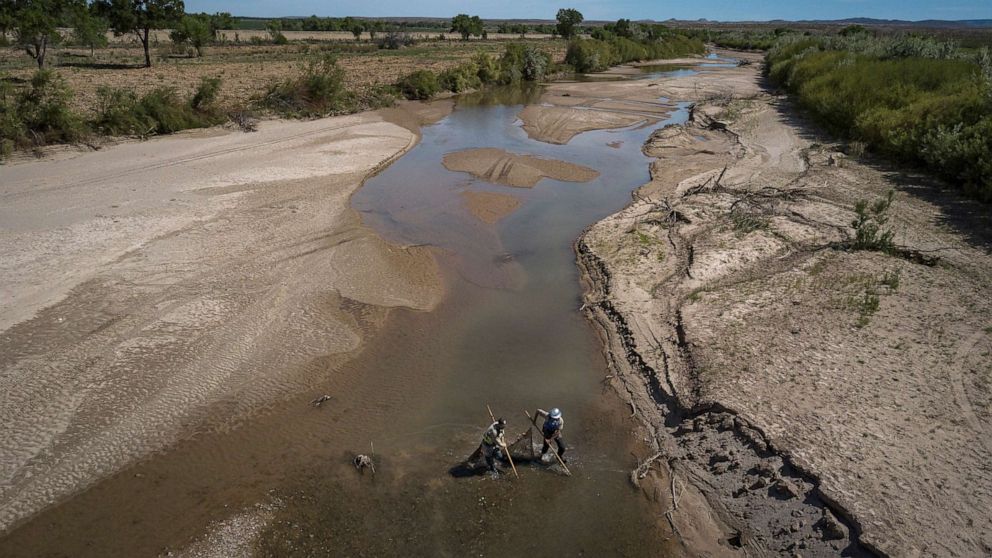
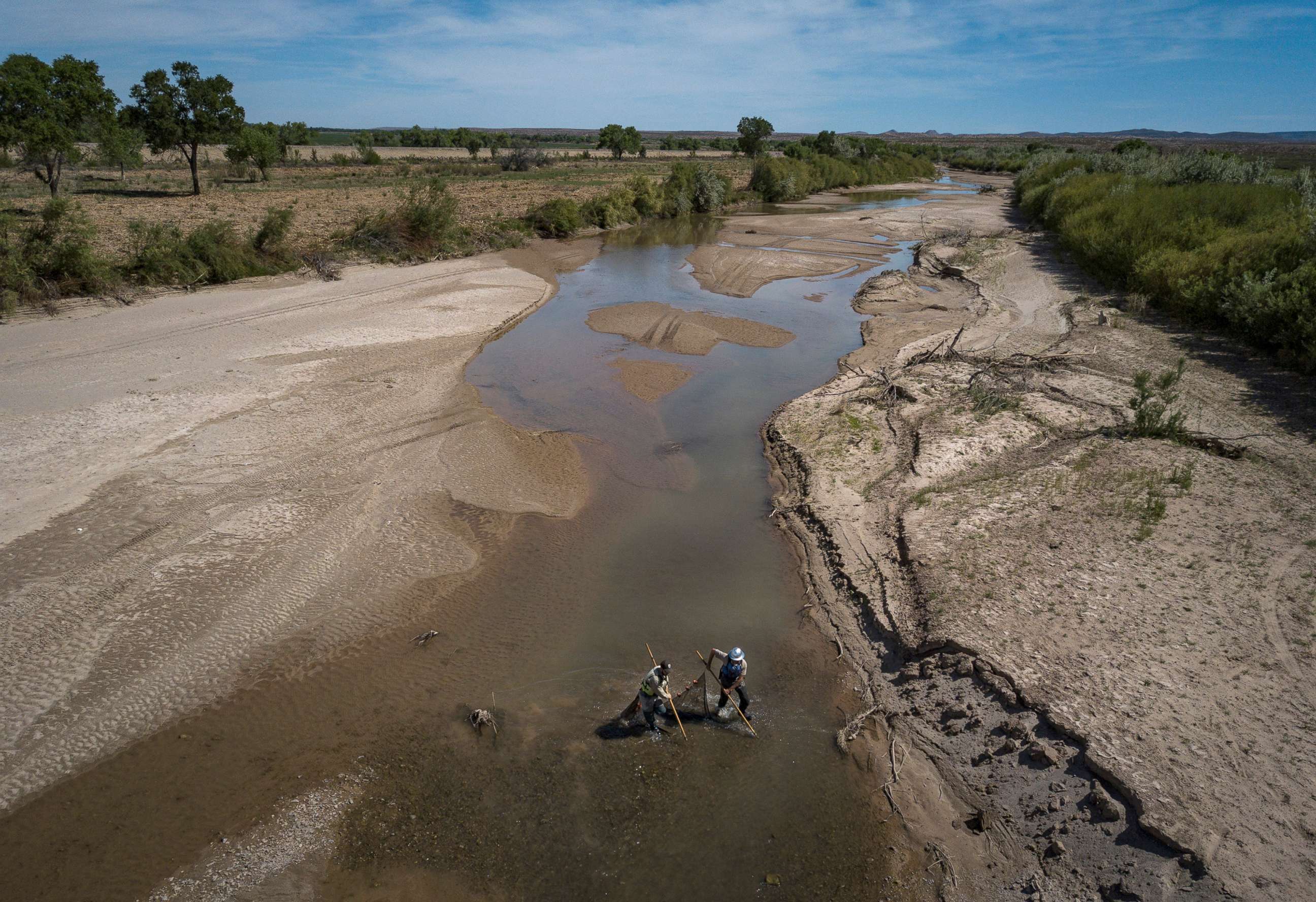
Under the EPA's new rules, the federal government will no longer protect streams that only flow during some parts of the year or after heavy rain, or wetlands that are not connected to larger bodies of water.
The Trump administration will, however, still maintain federal protections for navigable waters such as major rivers and lakes and any tributaries and wetlands that flow directly into them.
"Today, thanks to our new rule, our nation's farmers, ranchers, developers, manufacturers and other landowners can refocus on providing the food, shelter and other commodities that Americans rely on every day instead of spending tens of thousands of dollars on attorneys and consultants to determine whether waters on their own land fall under the control of the federal government," EPA Administrator Andrew Wheeler said on a call with reporters.
But advocates for the broader protections argue that seasonal streams and wetlands can play a big role in controlling flooding and that removing protections could jeopardize that -- or allow more pollution to flow downstream when it rains.
Farmers, ranchers, and developers have long complained that the protections impose too many rules on areas that weren't major bodies of water. Former EPA Administrator Scott Pruitt frequently called it government overreach to regulate a dry pond or creek bed as a "water of the United States."
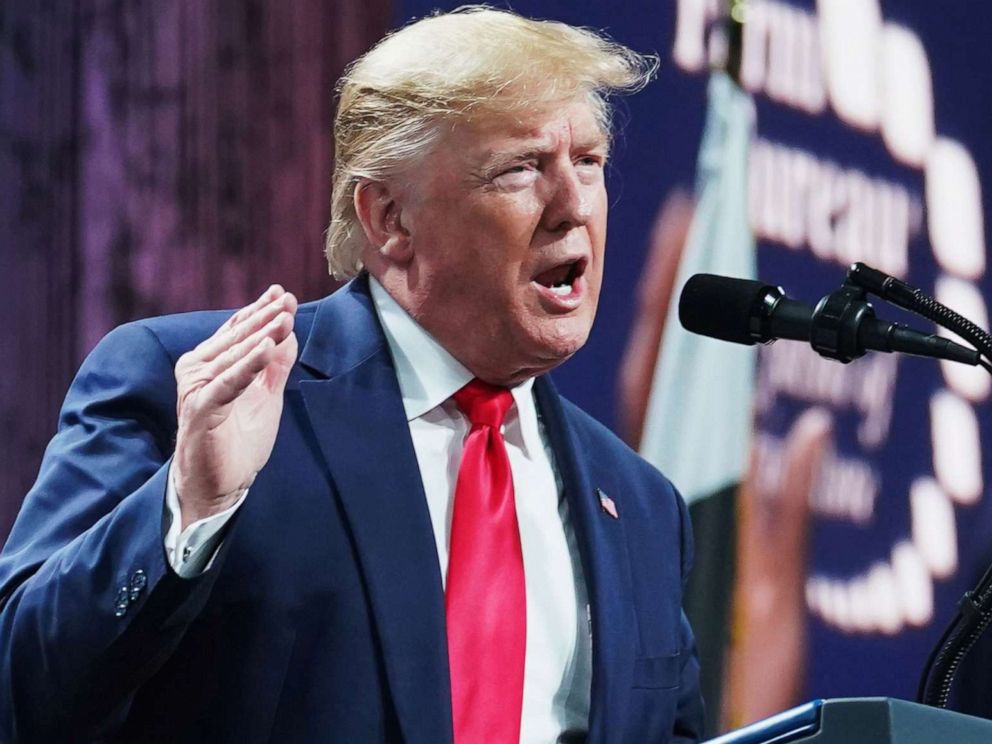
Last weekend the president called the old regulation "ridiculous" and "disastrous" and said it took away farmers' property rights but that the administration's new policy would only benefit farmers, ranchers, and other industries.
"This rule gave bureaucrats virtually unlimited authority to regulate stock tanks, drainage ditches, and isolated ponds as navigable waterways and navigable water," Trump said in remarks to the American Farm Bureau Federation annual convention on Sunday. "You believe that? Sometimes, you'd have a puddle -- a little puddle, and they'd consider that a lake."
He added, "As long as I'm president, government will never micromanage America's farmers. You're going to micromanage your own farm, and that's the way it should be."
Farm Bureau President Zippy Duvall praised the new rule in a statement, saying it would help farmers understand and follow clean water rules.
A group of scientific advisors to the EPA analyzed the rule as being "in conflict with established science" and said the change would actually "decreases protections for our nation's waters."
Administration officials said they did consider science on the relationship between bodies of water in drafting the rule, but said they are also constrained by limited legal authority.
Critics of the change cited their analysis, saying the Trump administration is ignoring the impact of seasonal streams that still have a tangible impact downstream in the event of heavy rain or flooding that may wash dirt, debris or pollution into rivers or lakes that provide drinking water or support wildlife.
One of the biggest concerns is that fertilizer and pollution from agriculture could be released into areas that will no longer be protected under the new rule. Heavy rain events could also send any pollution downstream into larger bodies of water, affecting sources of drinking water or adding to toxic algae blooms.
The EPA's own analysis found that in some regions the change will mean the vast majority of streams and wetlands are no longer federally protected. In the Rio Grande Valley, for example, the EPA says 85% to 91% of stream miles are ephemeral and would no longer be protected -- and 34% to 62% of all wetland acres are non-abutting wetlands and would no longer be covered by the rule.
But the agency says there is not enough data to evaluate what percent of streams or wetlands around the country would be impacted by the change.
"This is the first time that an administration has taken a step to dramatically reduce the scope, and by dramatically reduce we're talking about potentially half of wetlands that were historically protected and up to 60% of historically protected stream miles," Jim Murphy, senior counsel for the National Wildlife Federation, told ABC News.
The Trump administration argues that many states already have water protection rules in place that are stronger than the federal regulations and that the issue is better left to states to oversee in the best way for that area.
But Murphy said that relying on states to protect these areas will result in a patchwork of different laws and will further strain resources for states already struggling to keep up with water protections from agricultural pollution and stormwater runoff.
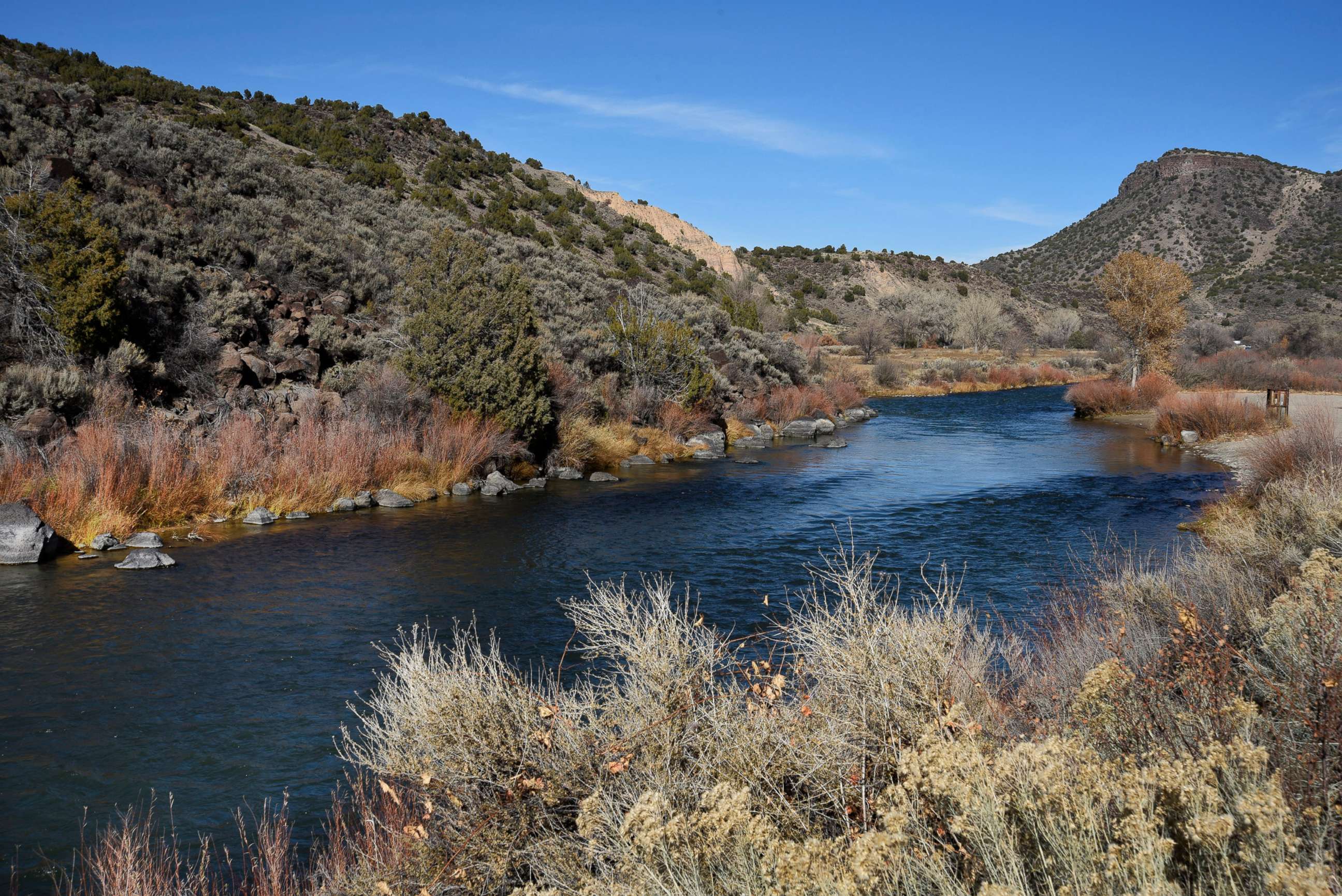
"A lot of those incentives and tools for states and EPA to clean those up will be gone so those pollution problems are almost certain to get worse," he said.
He said the rule could also impact wildlife that rely on streams or wetlands for breeding or as a source of clean water, including duck or fish breeding areas that supply populations for hunting and fishing.
Environmental groups called the new rule one of the worst environmental rollbacks under Trump and said they plan to file legal challenges to the new rule. Former EPA Administrator Gina McCarthy, now president and CEO of the Natural Resources Defense Council, said in a statement.
She added, "So much for the `crystal clear' water President Trump promised."