Trump prepares to face seven decades of North Korean hostility
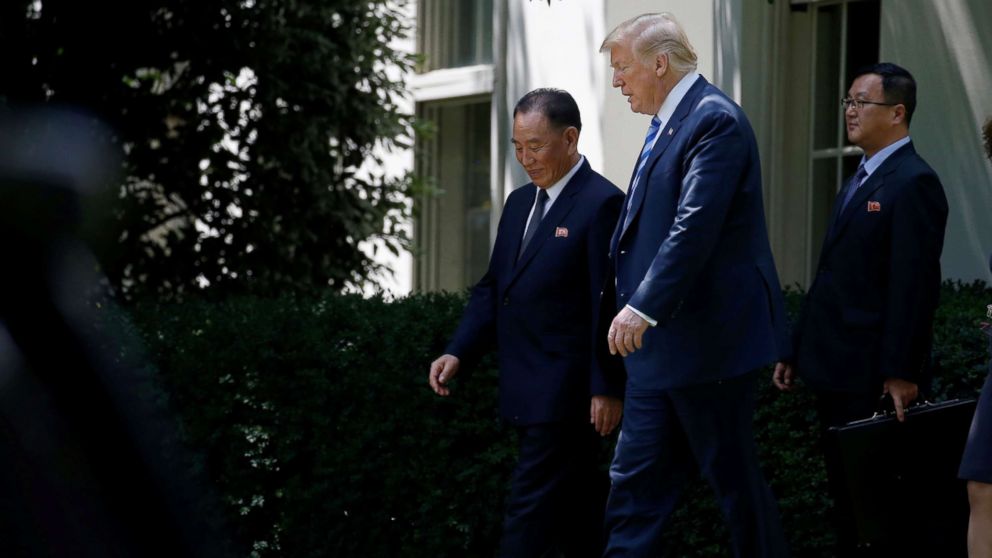
The first time Donald Trump met Barack Obama at the White House, days after Trump’s historic win, the president-elect appeared unusually subdued, even nervous.
“We discussed a lot of different situations, some wonderful, and some difficulties,” Trump said in November 2016, after the meeting, sitting next to Obama and looking ill at ease. “I very much look forward to dealing with the president in the future, including counsel.”
Later that month Trump told The New York Times that he and Obama talked about “a big problem for the country,” which the Times later reported was most likely North Korea.
If Trump was pensive that day, he had every reason to be.
The seesaw relationship between North Korea and the United States
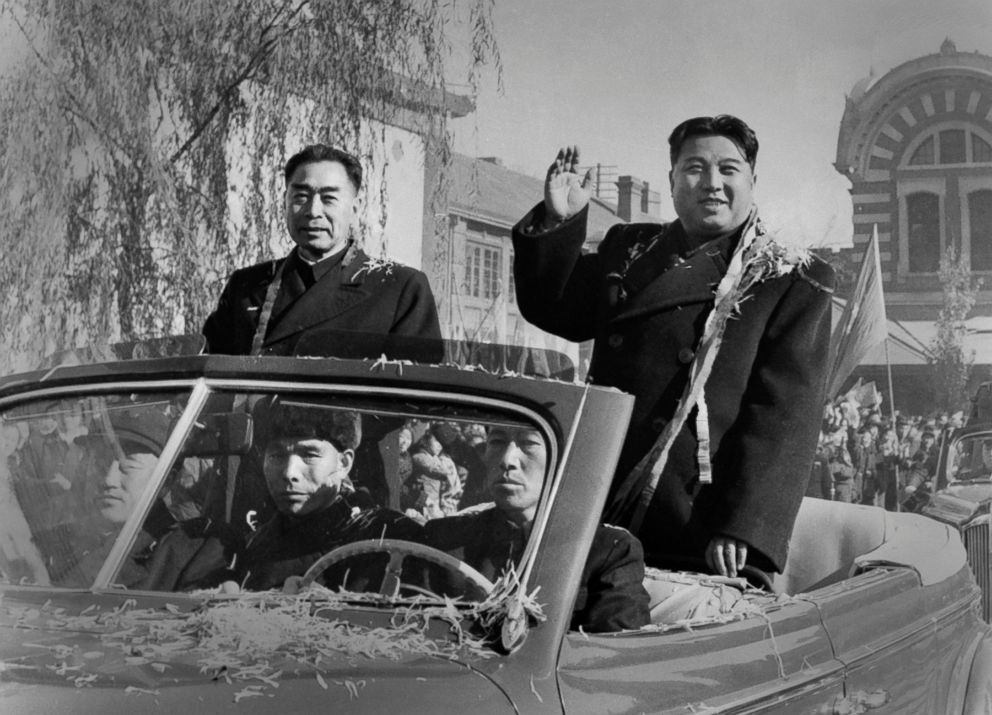
Photos from the history of North Korea and the United States.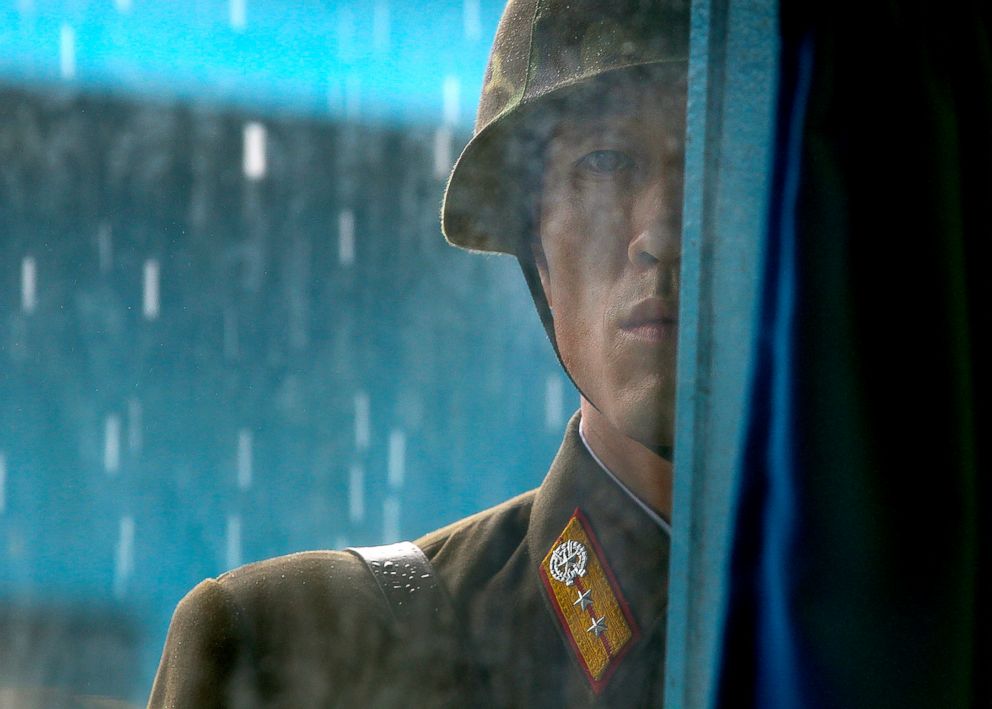
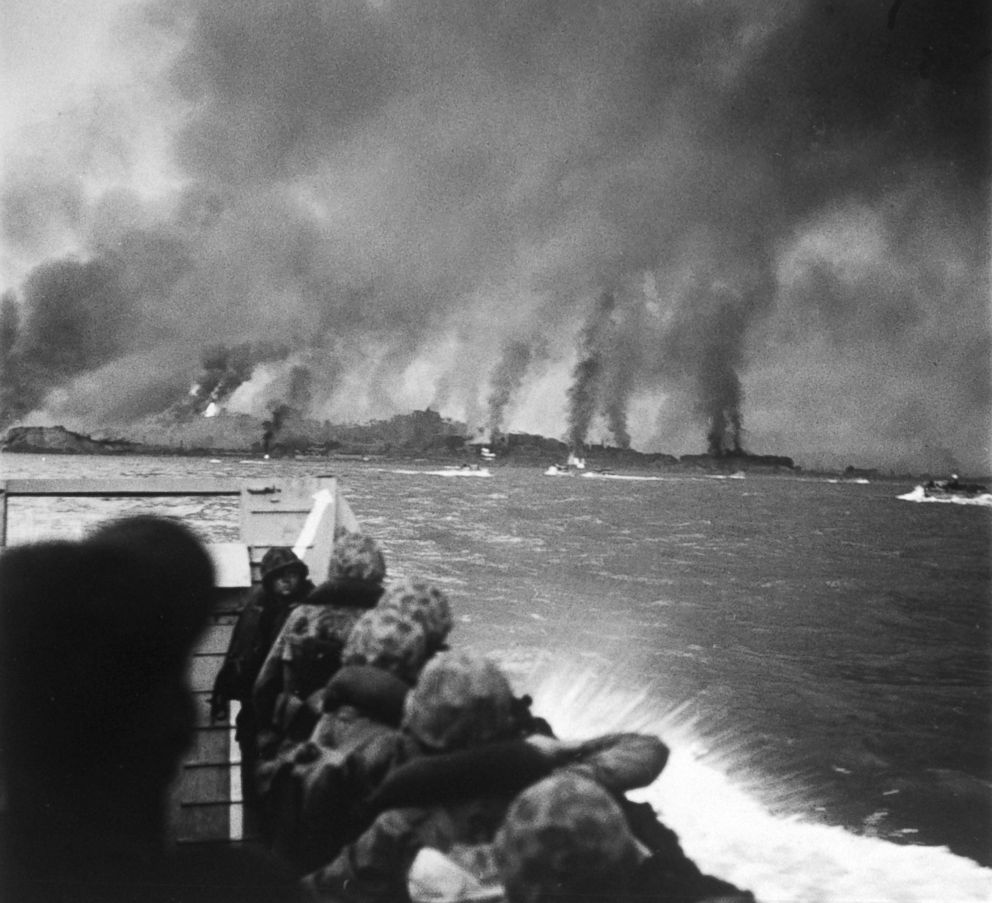
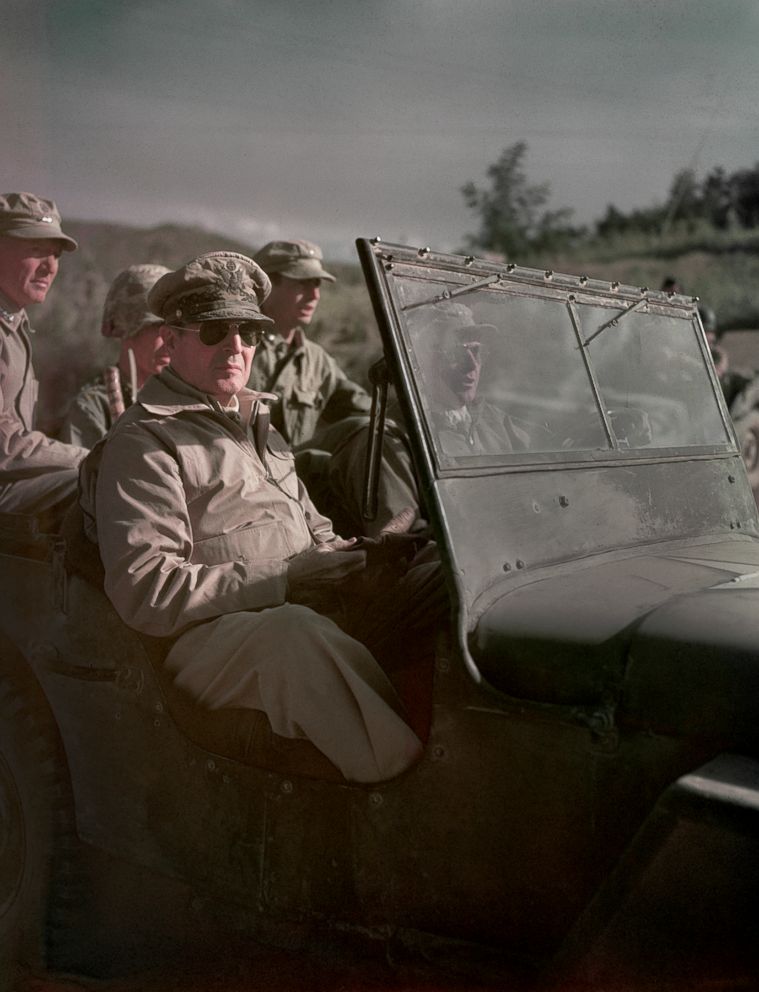
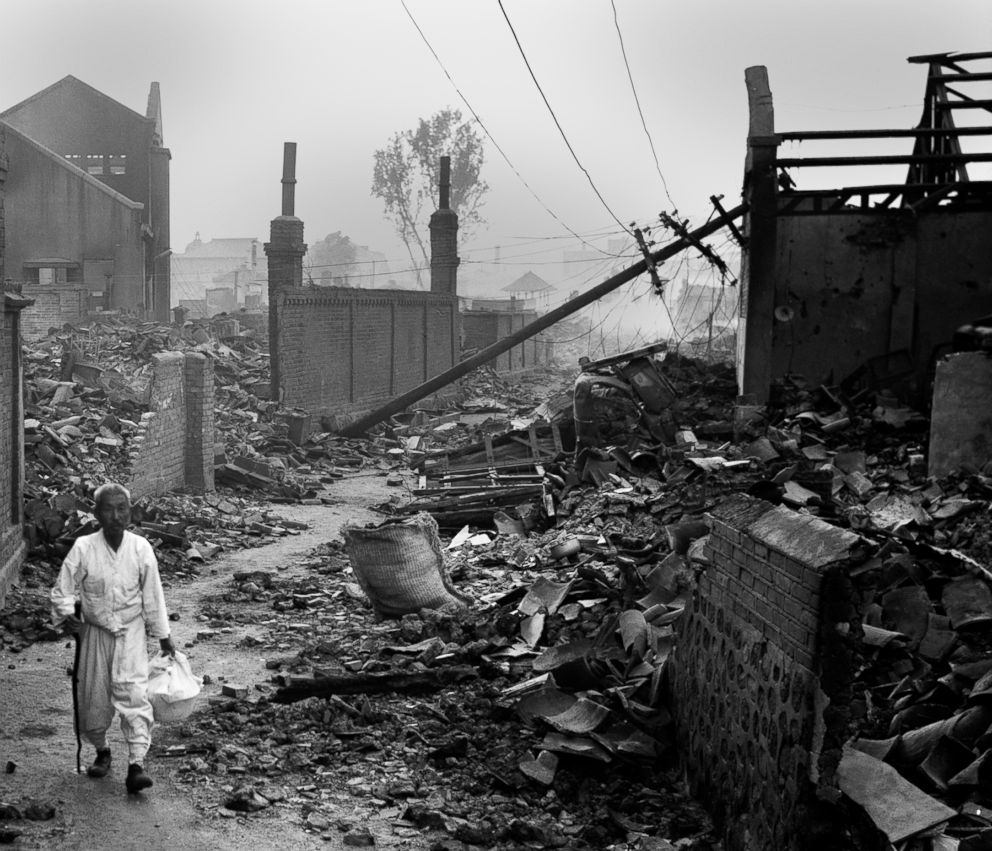
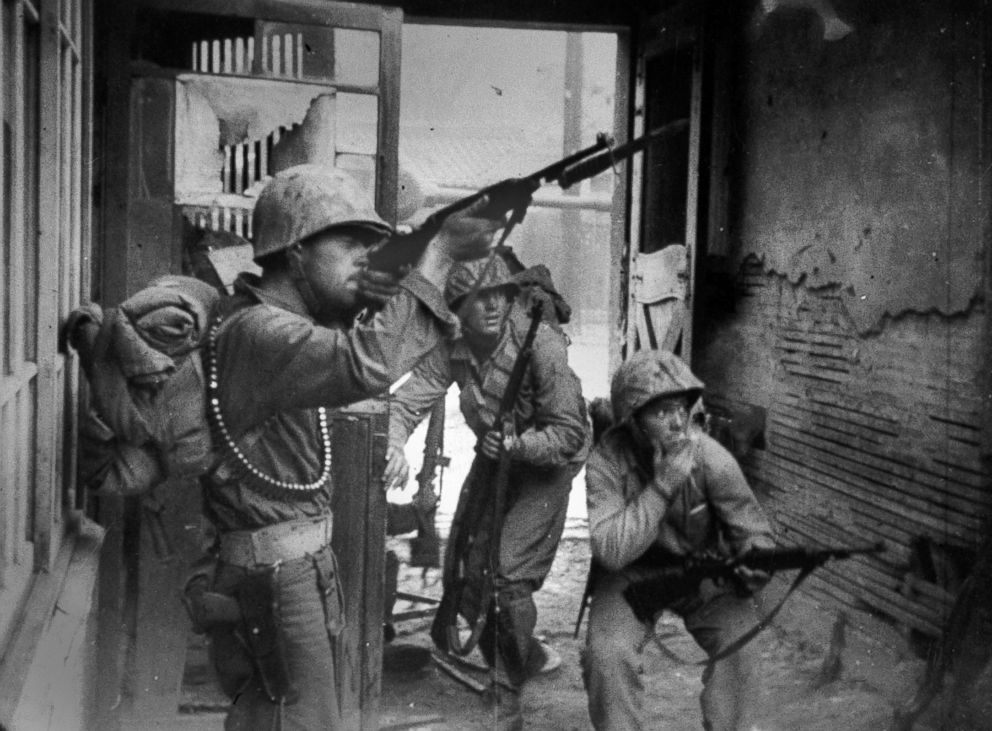
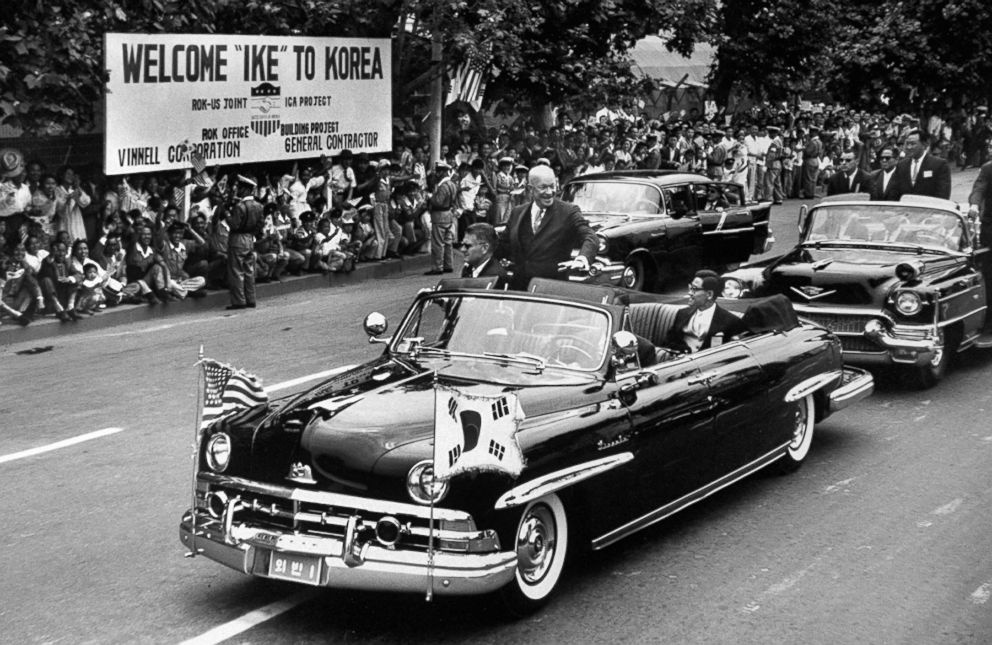
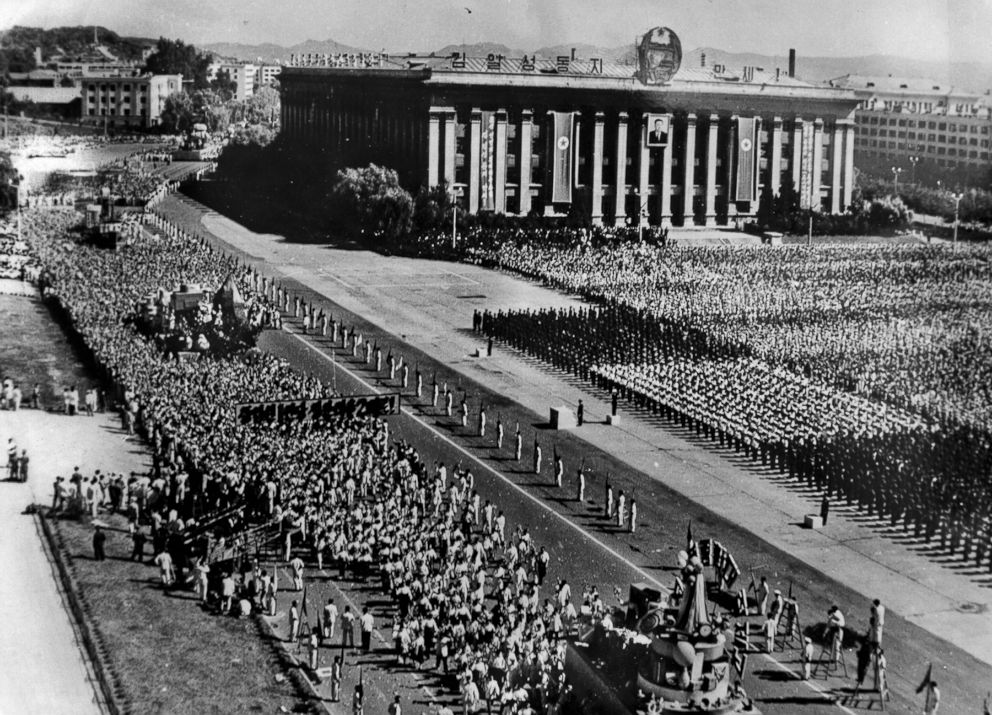
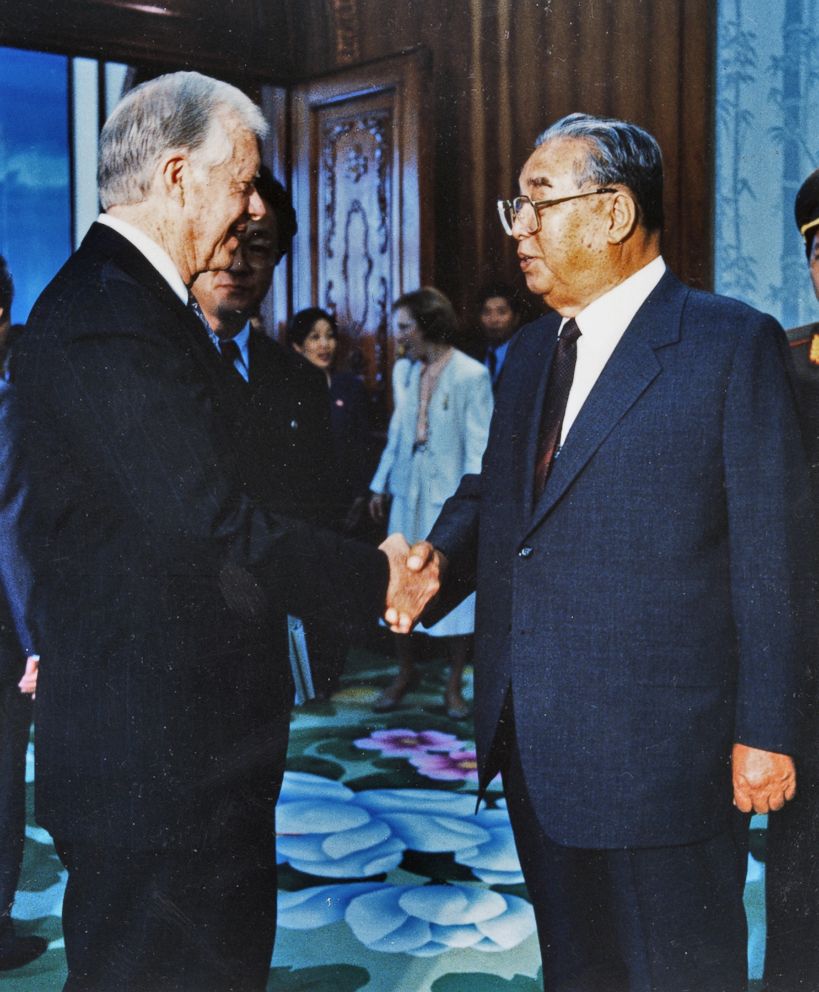
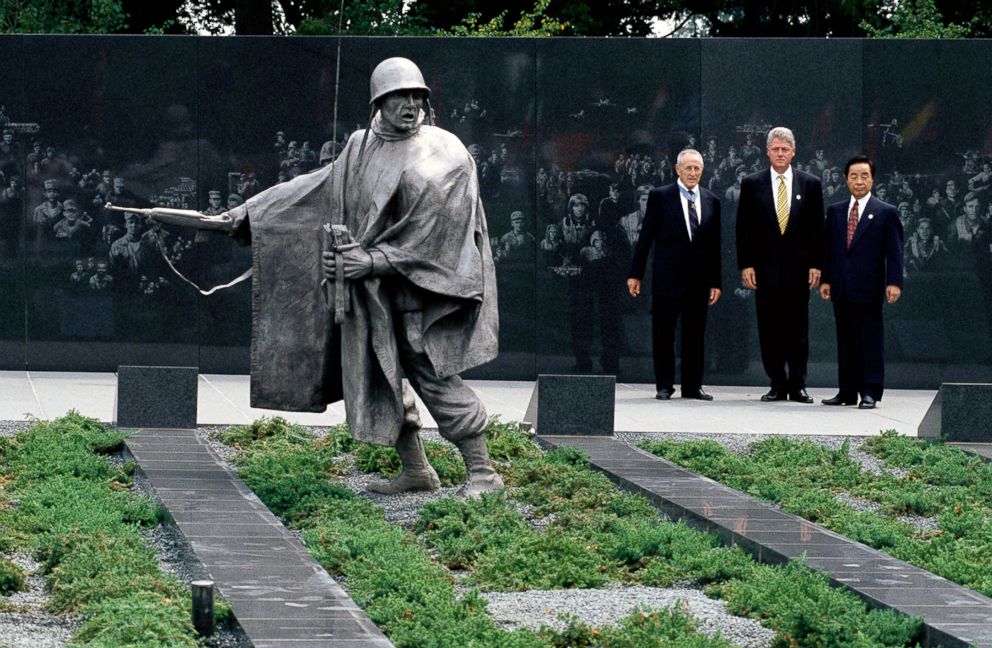
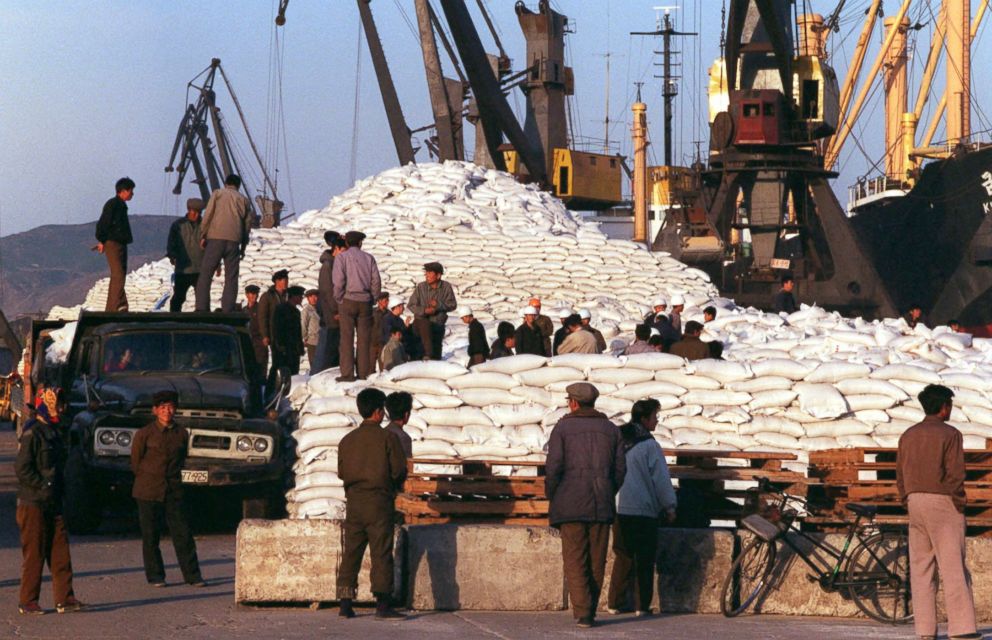

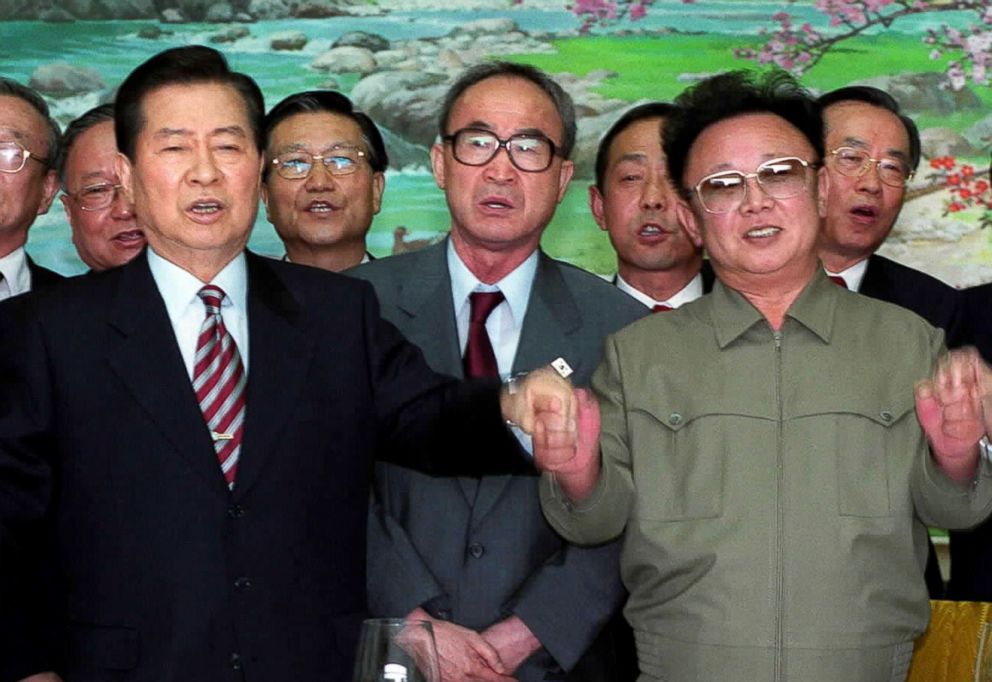
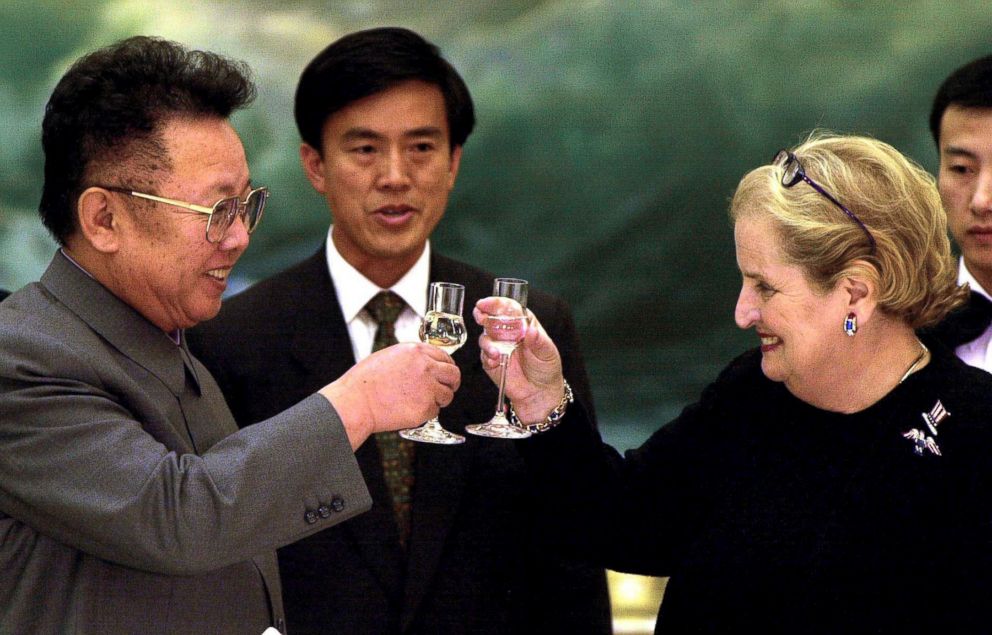
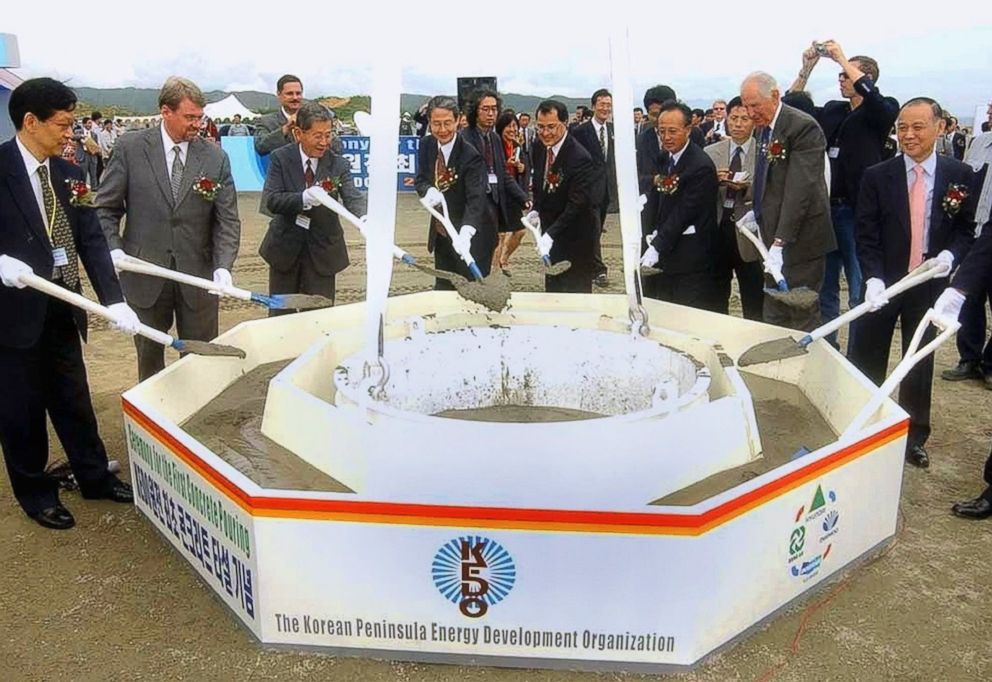
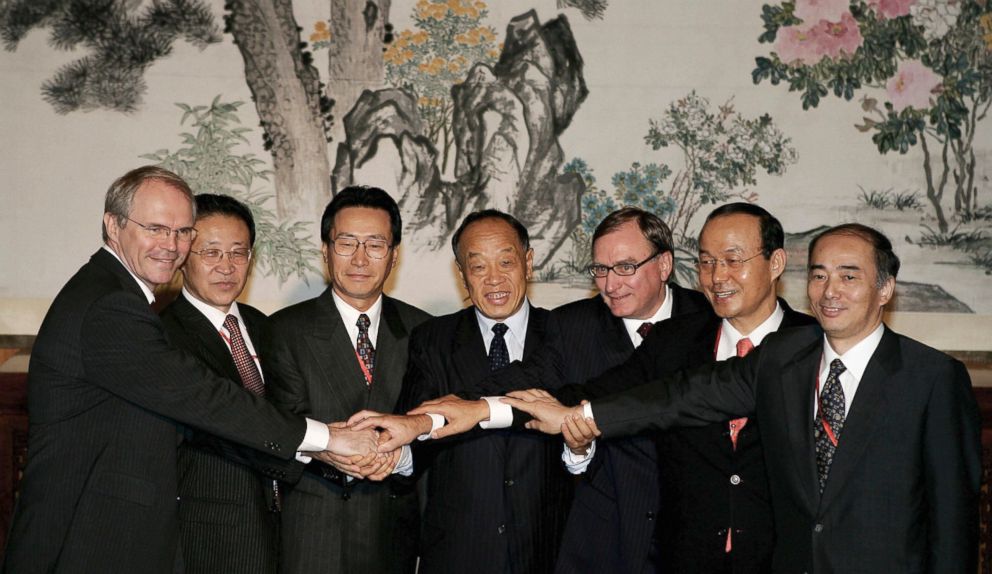
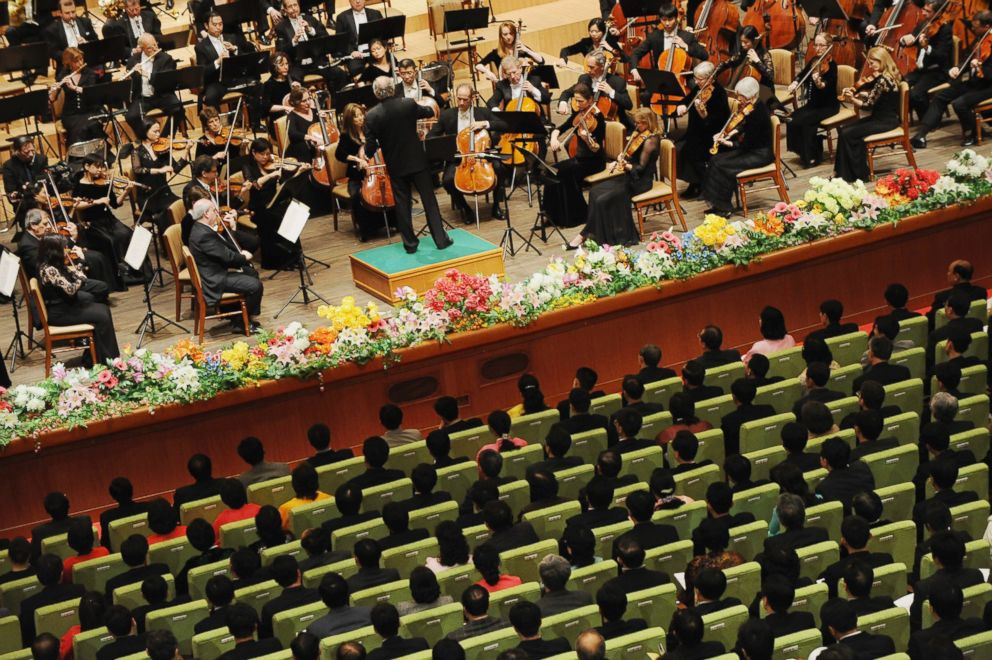
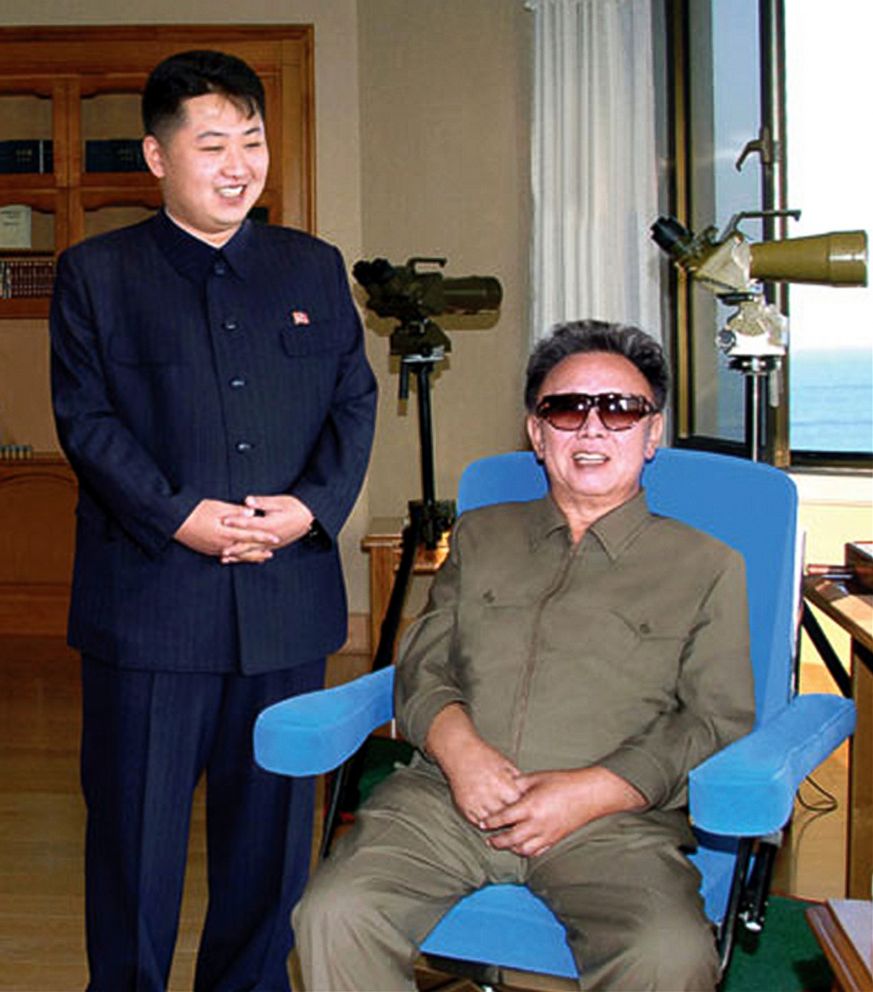
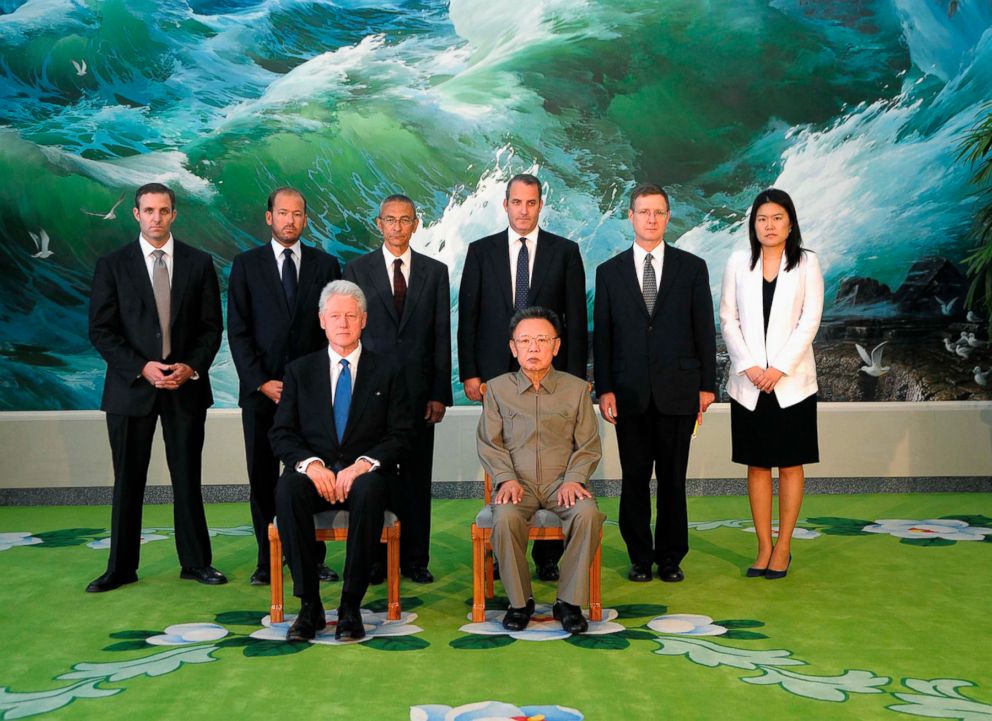
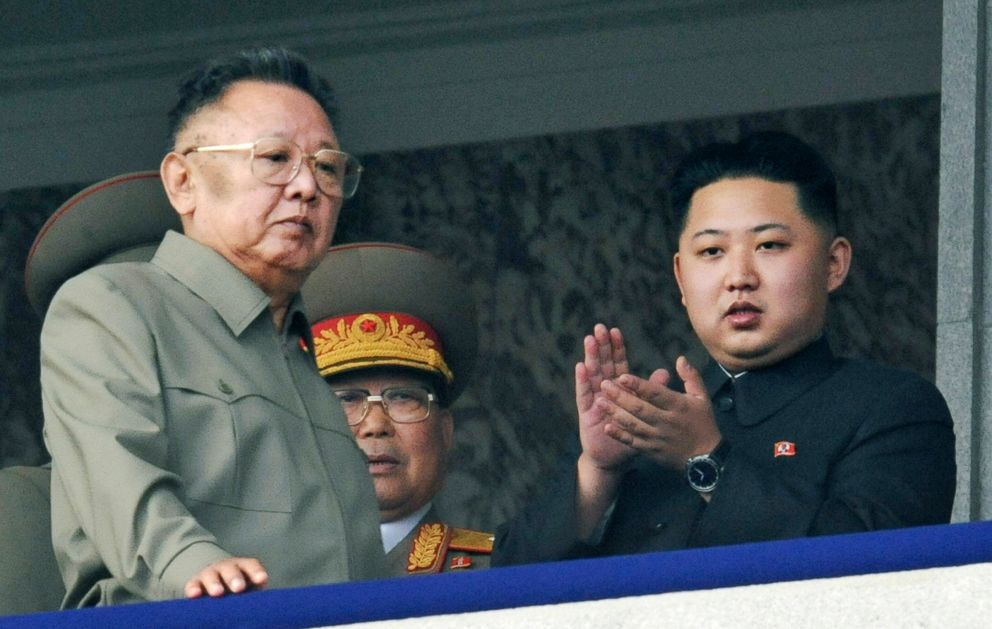
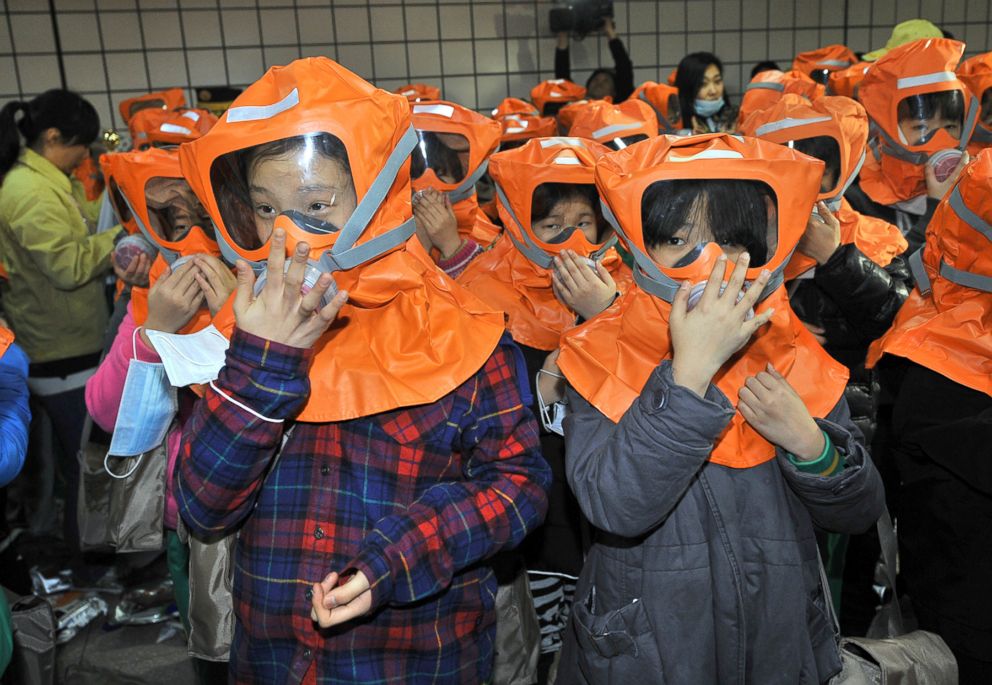
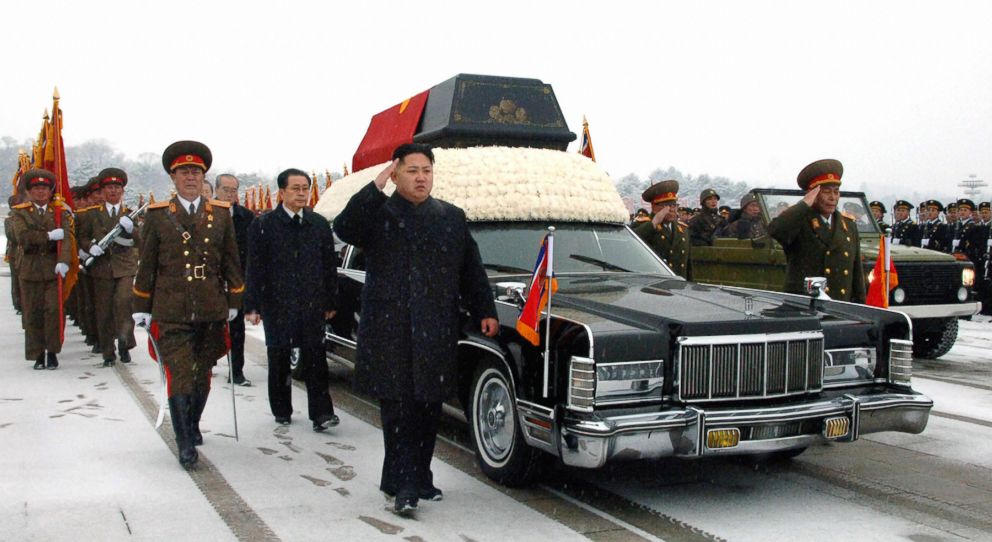
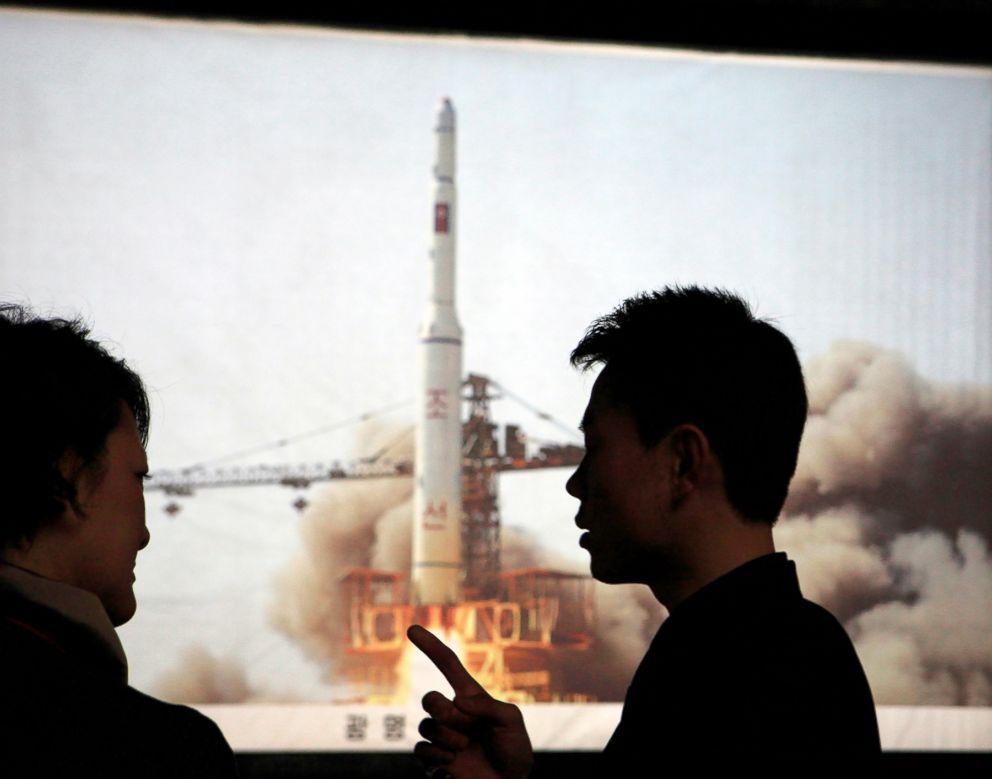
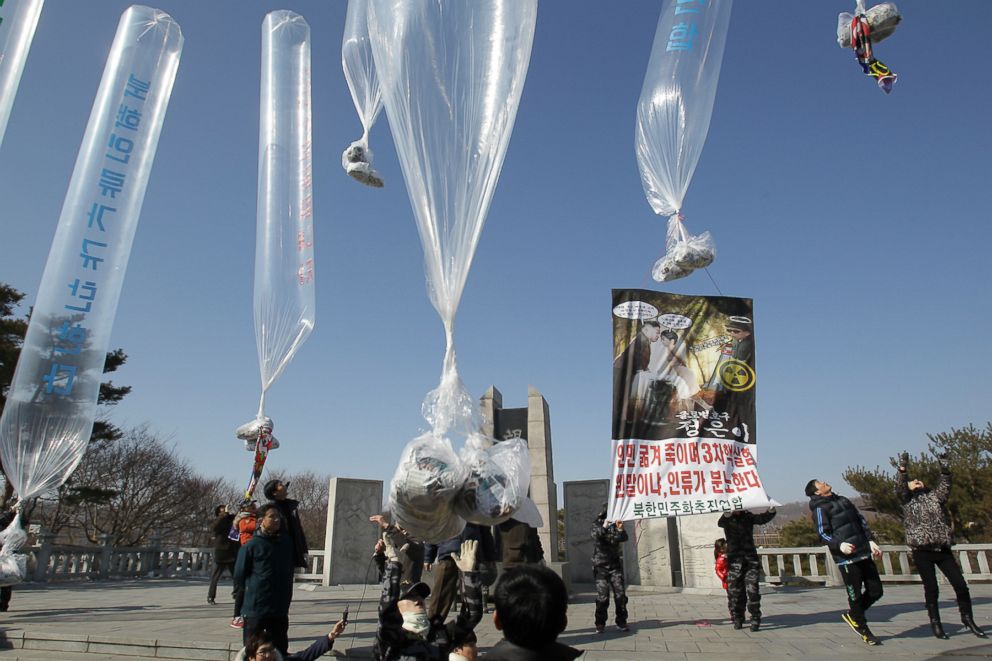
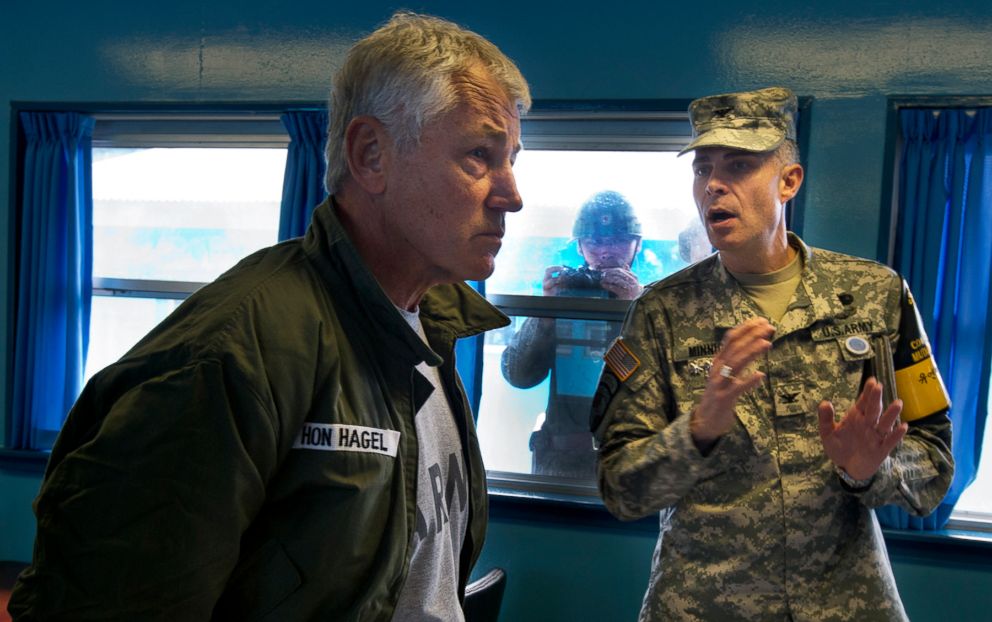
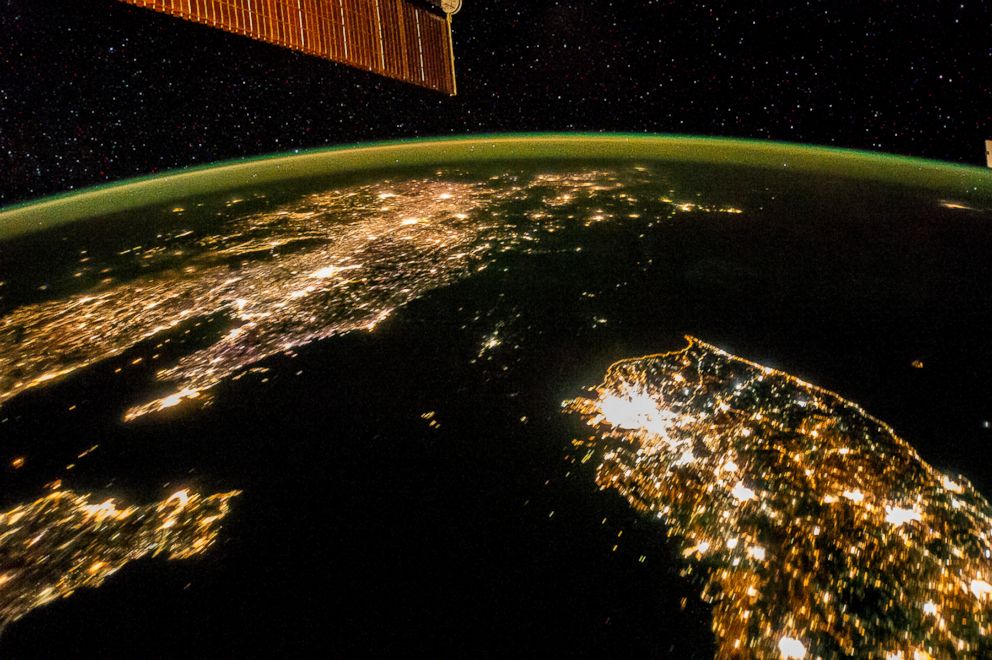
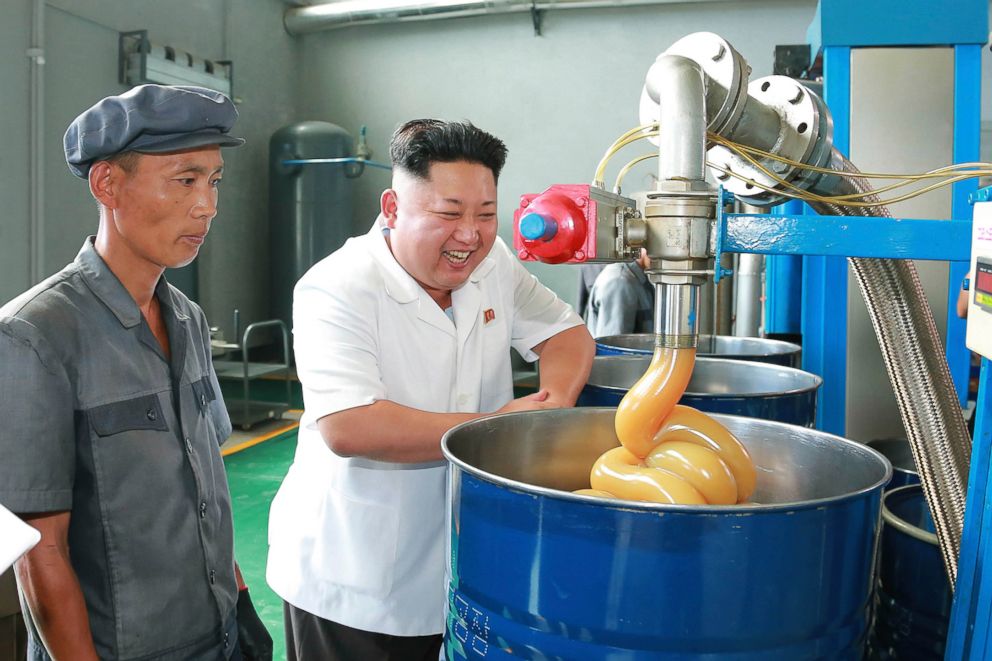
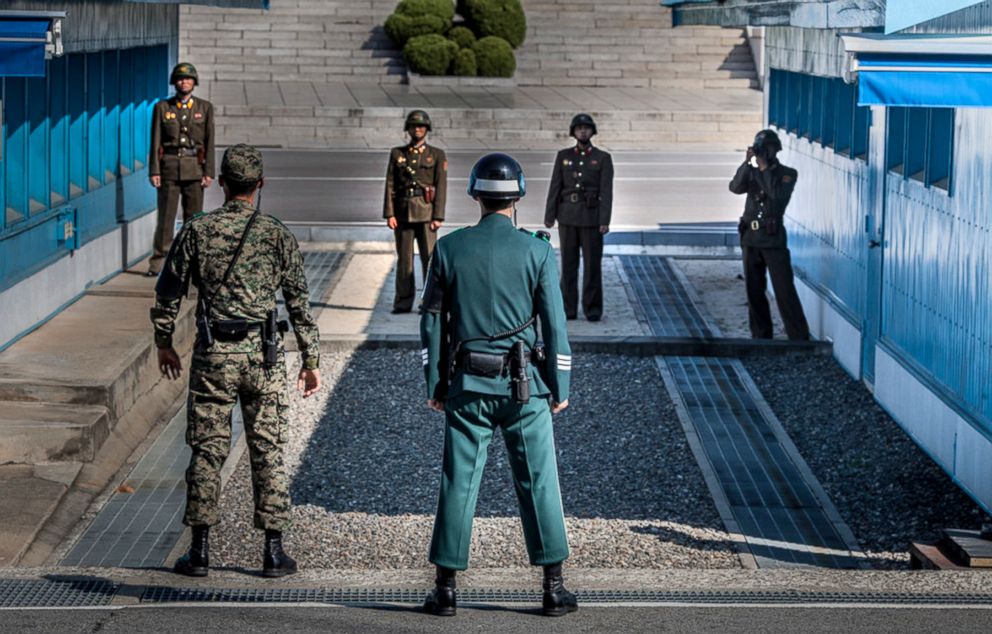
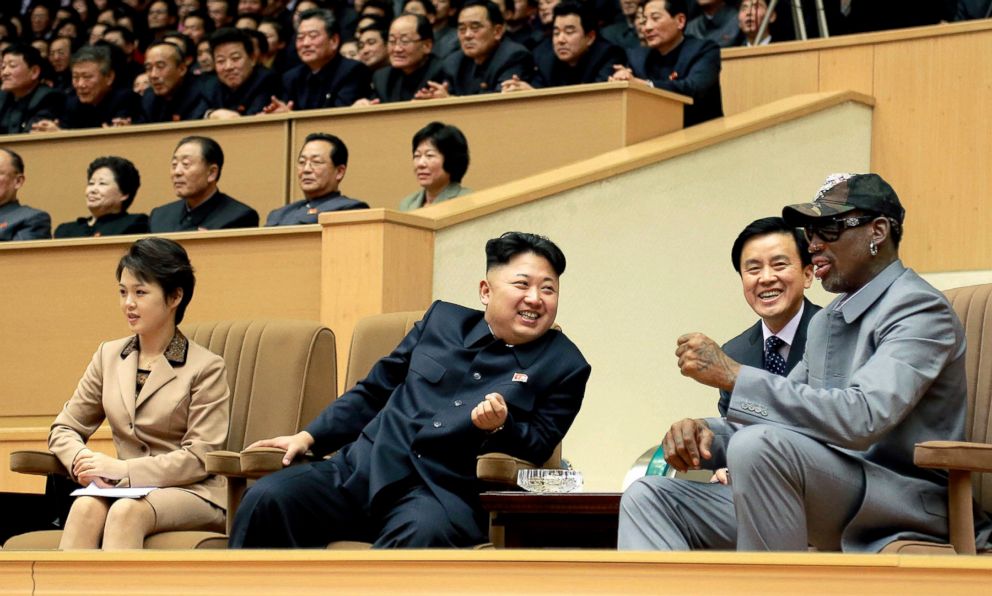
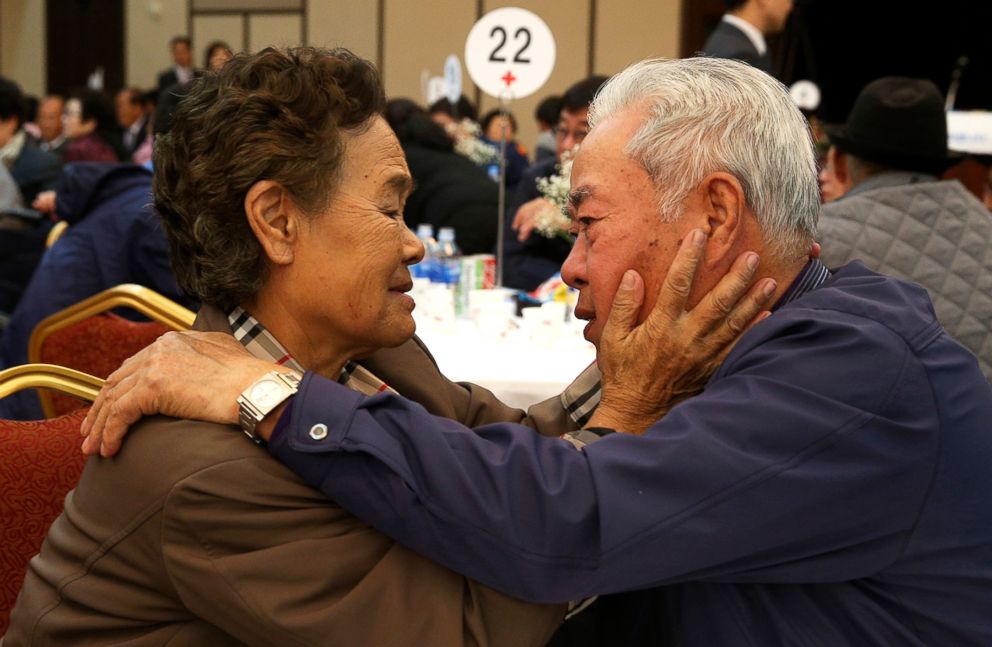
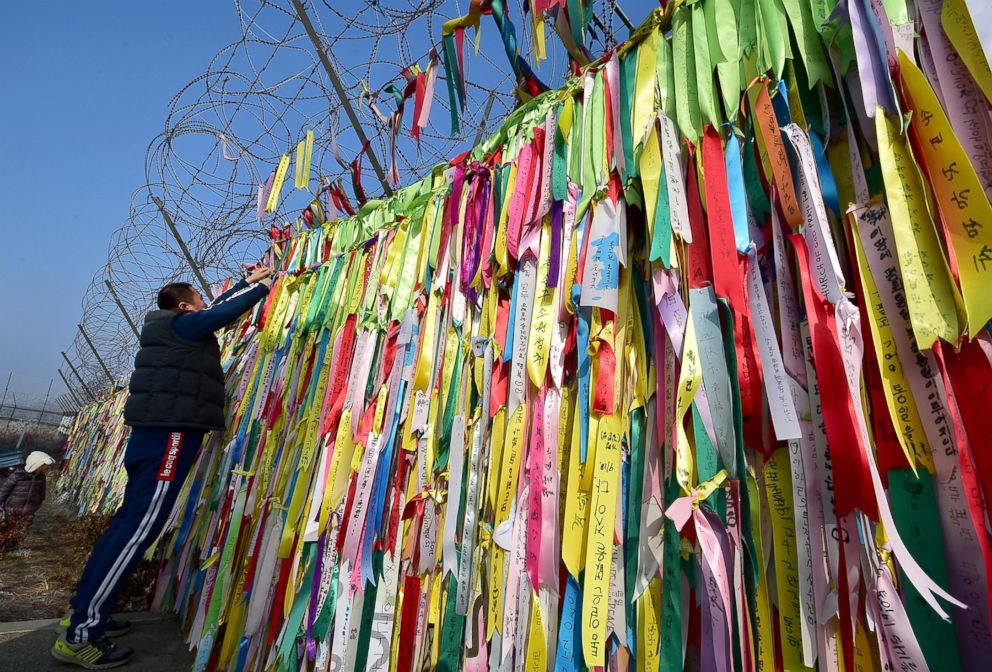
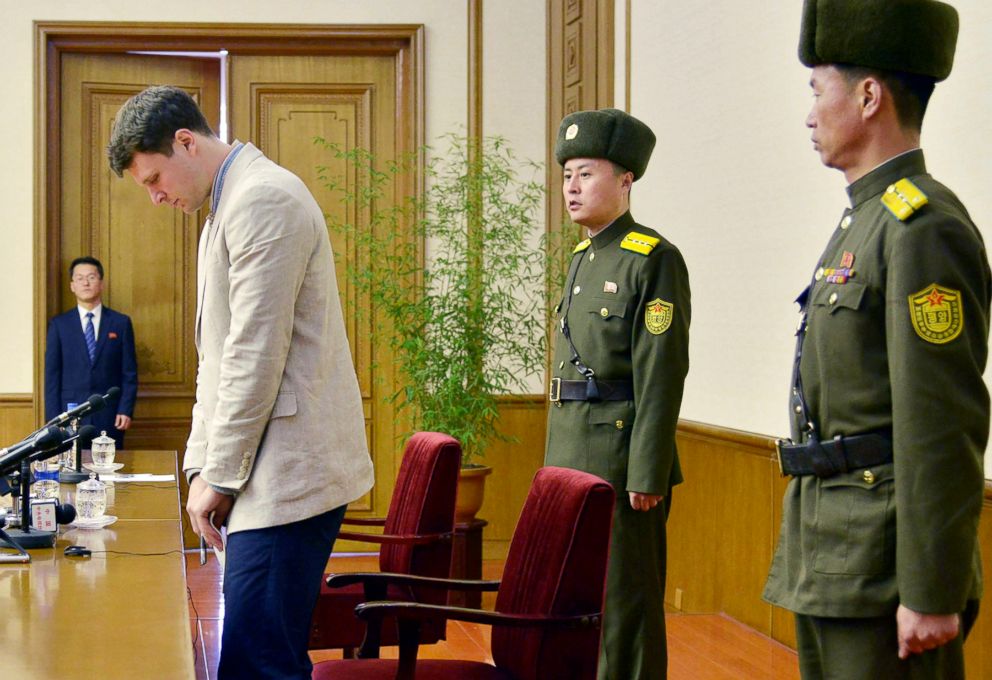
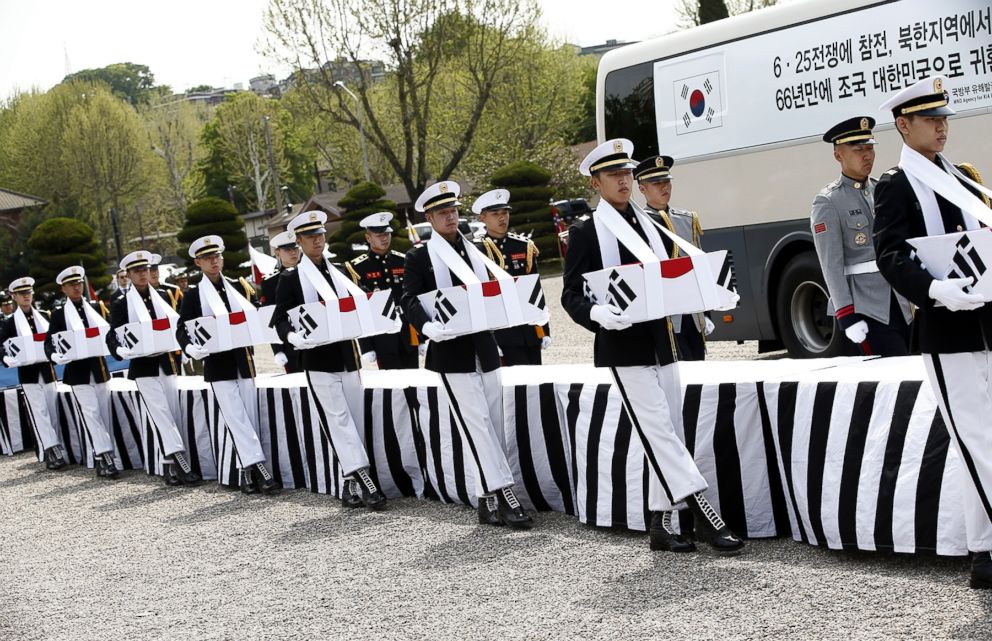
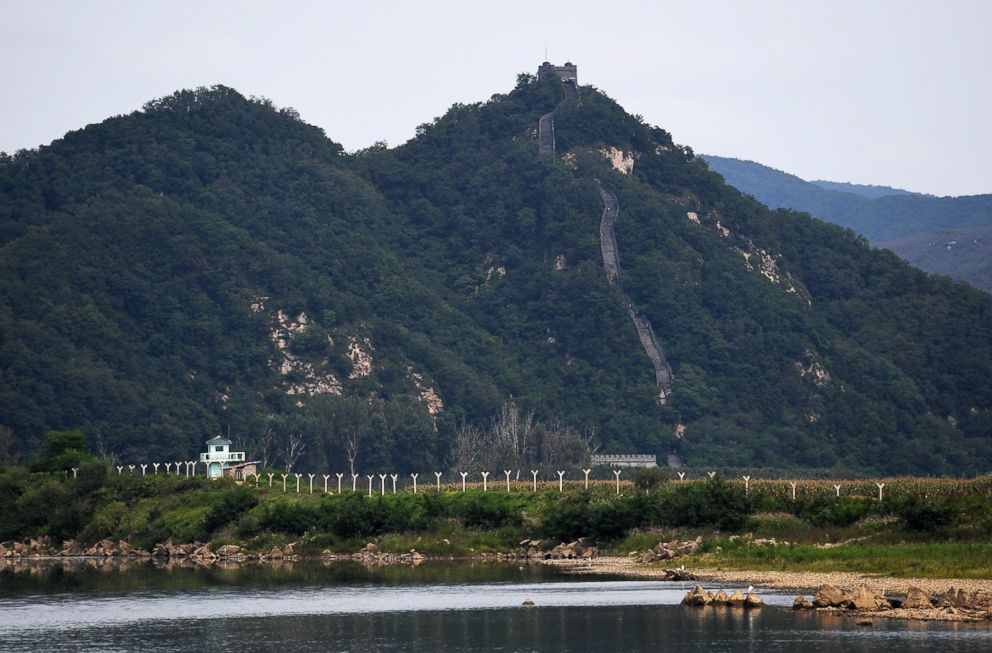
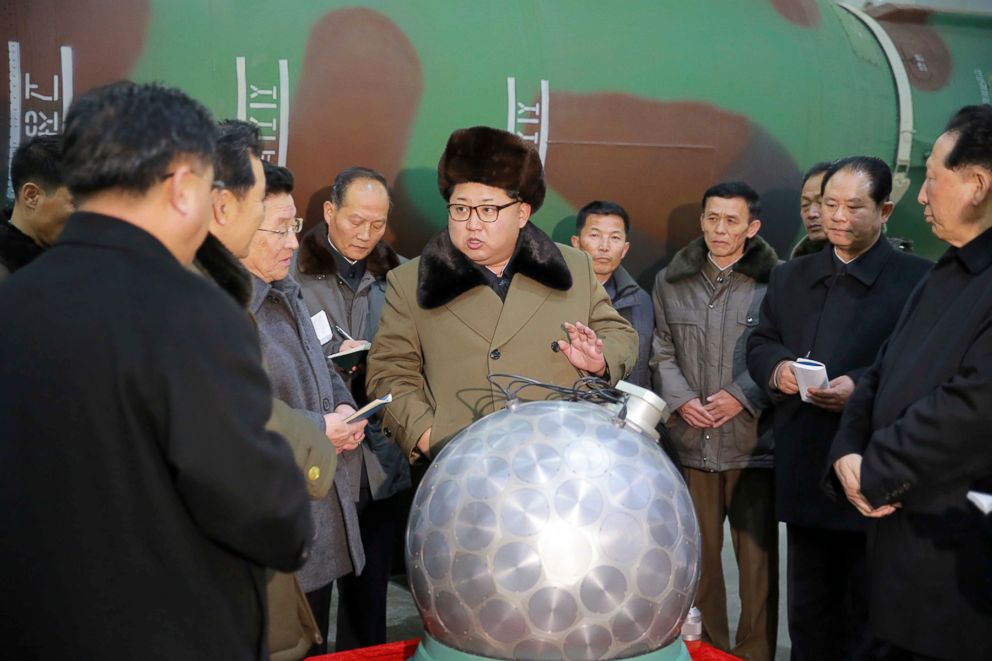
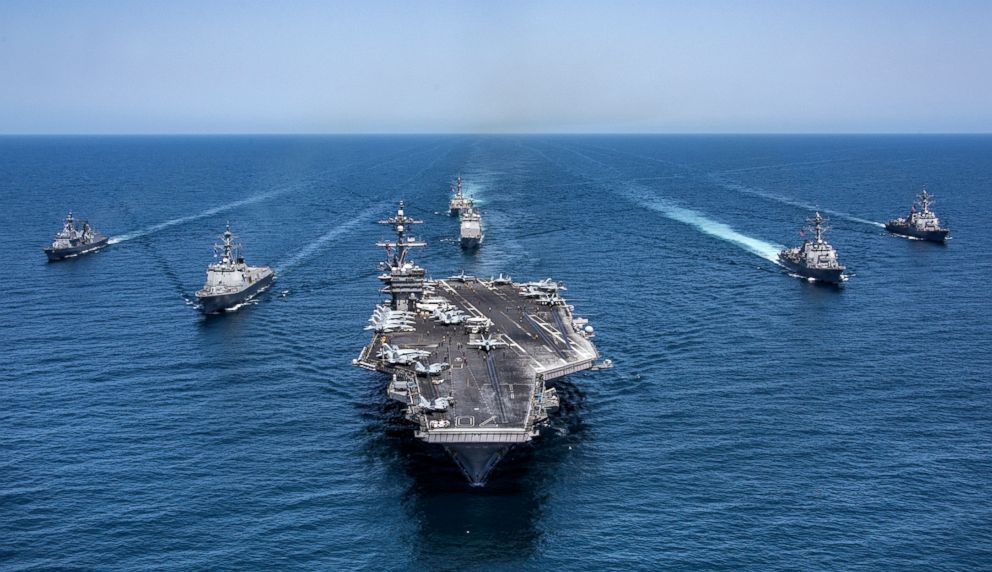
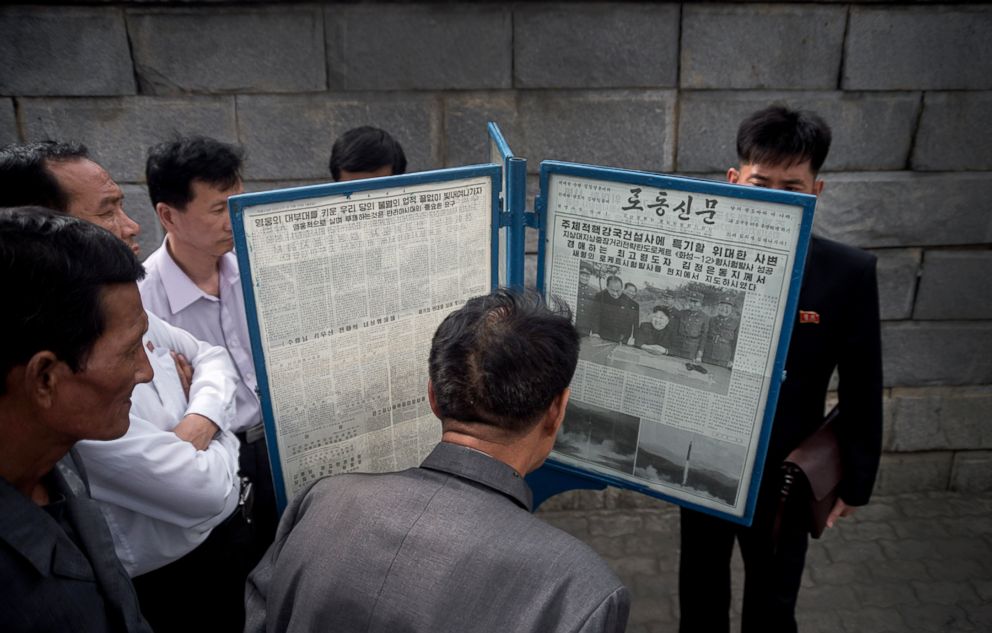
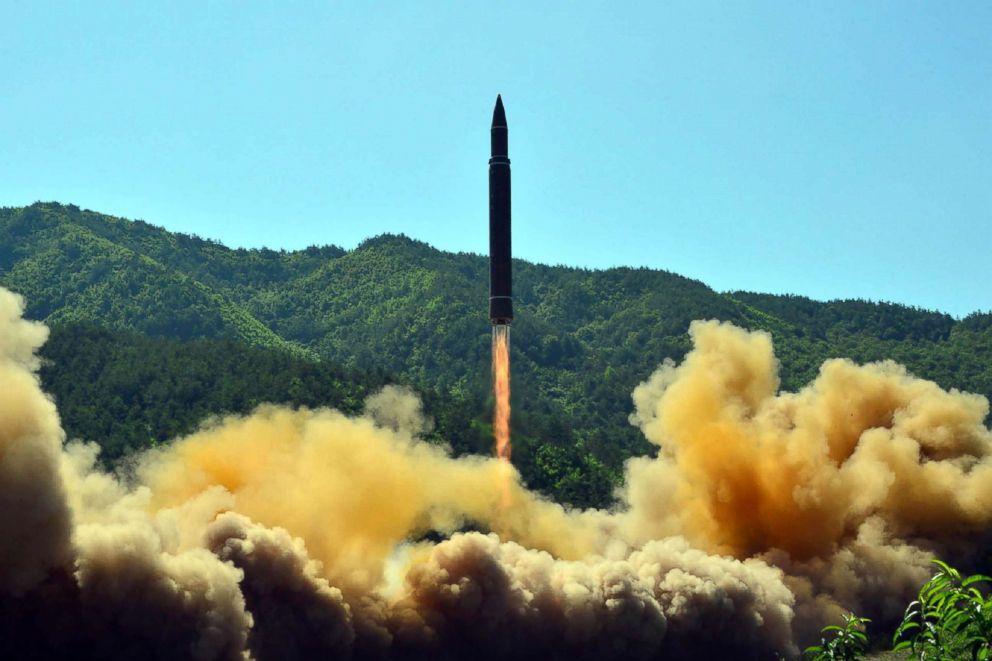
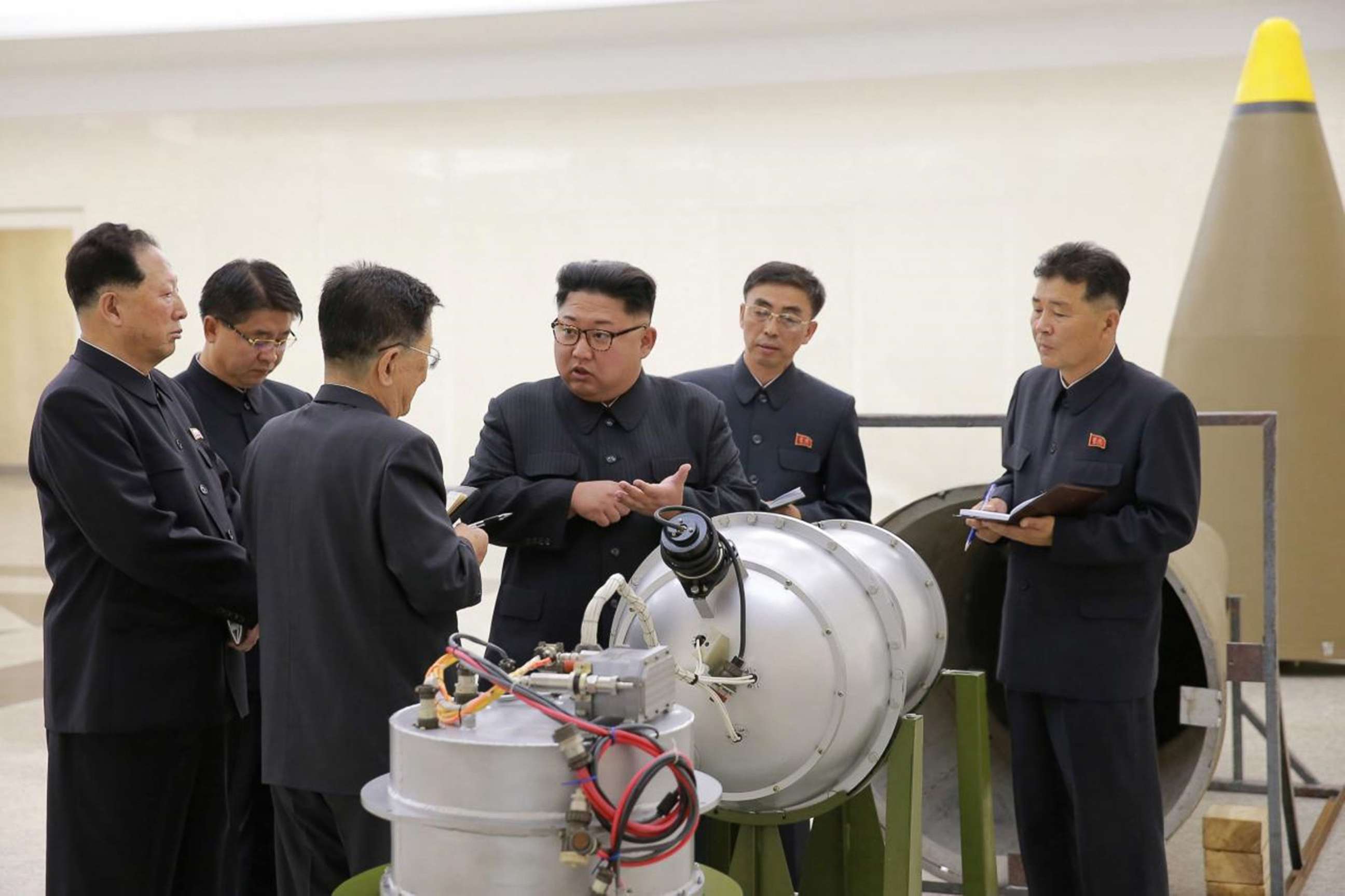
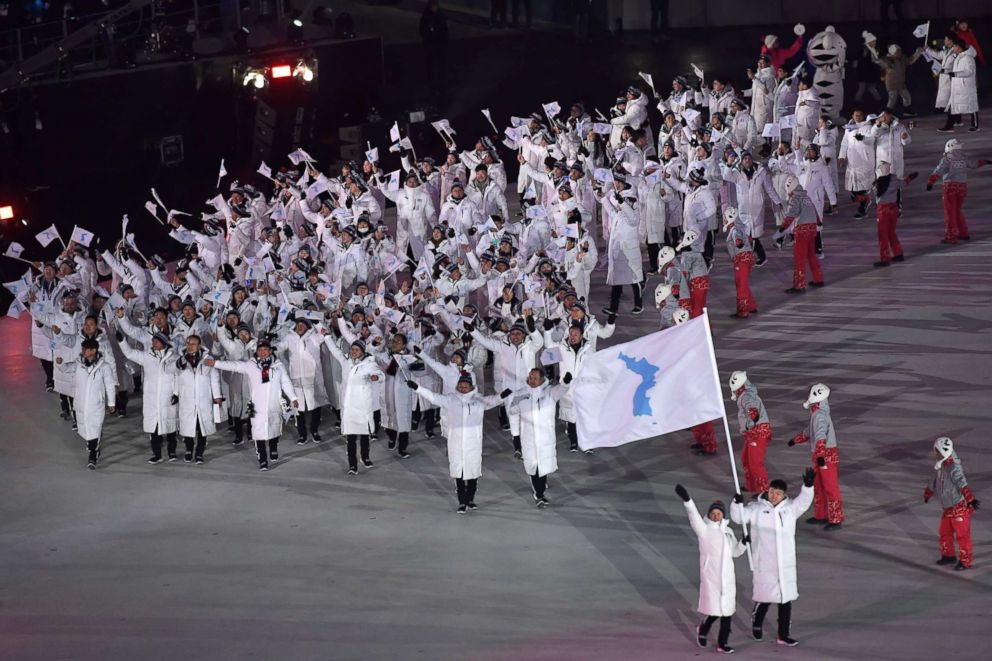
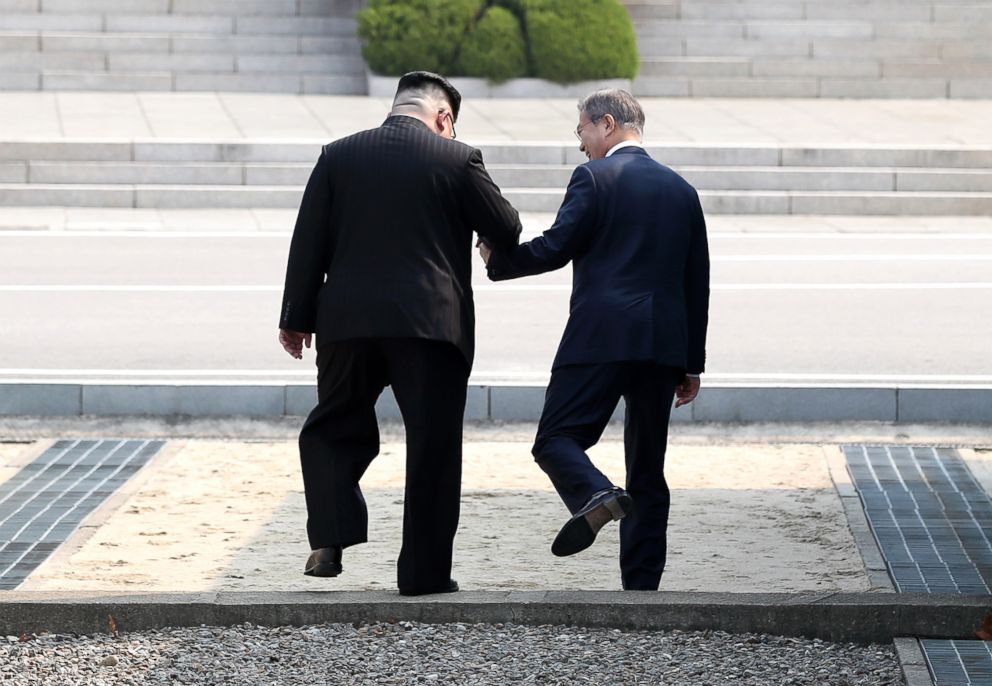
In handing over power, Obama handed Trump a huge responsibility: protect the nation from a rogue regime that has spent decades threatening to annihilate America, at the very moment when North Korea might finally have the means to make good on the threat.
Since that meeting, Trump has been less gracious, repeatedly blaming not just Obama but all presidents who have struggled with North Korea for allowing the problem to fester.
"North Korea is a situation that should've been handled 25 years ago, 20 years ago, 15 years ago, 10 years ago and five years ago," he said in September 2017. “And it could've been handled much more easily, you've had various administrations, many administrations which left me a mess, but I'll fix it."
It’s a mess that’s been seven decades in the making.
The root of the tension

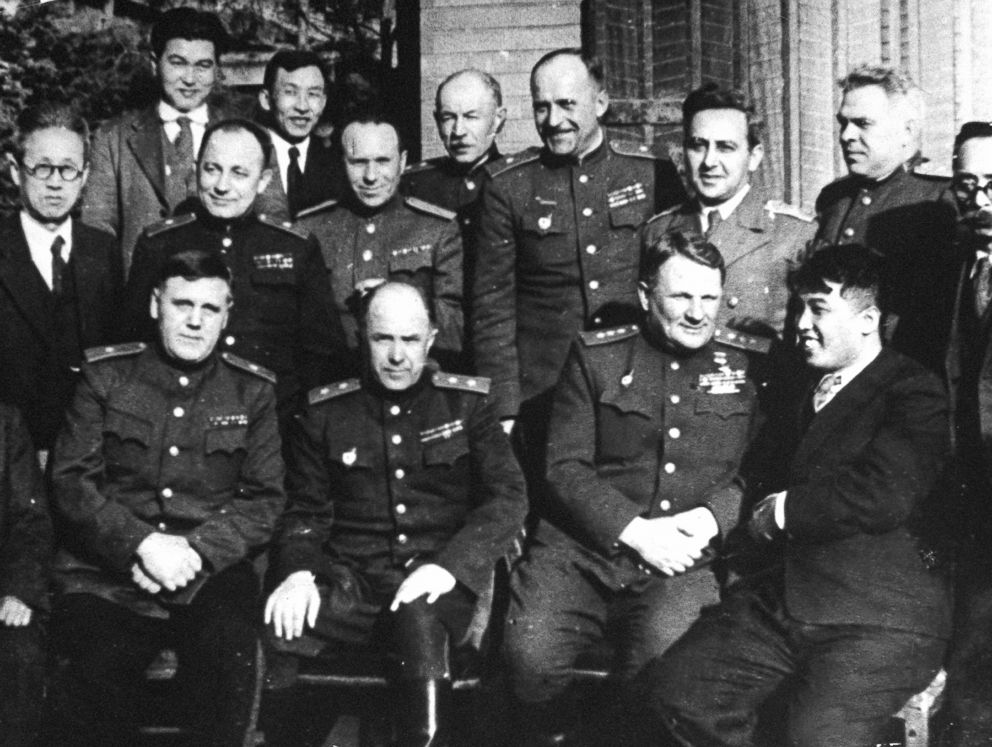
After Japan’s surrender in 1948, the U.S. and Russia split Korea in half. Russia installed Kim Il Sung, Kim Jong Un’s grandfather, as the leader of the communist North. Two years later, Kim launched a lightning attack on the South, taking the capital Seoul in just three days.
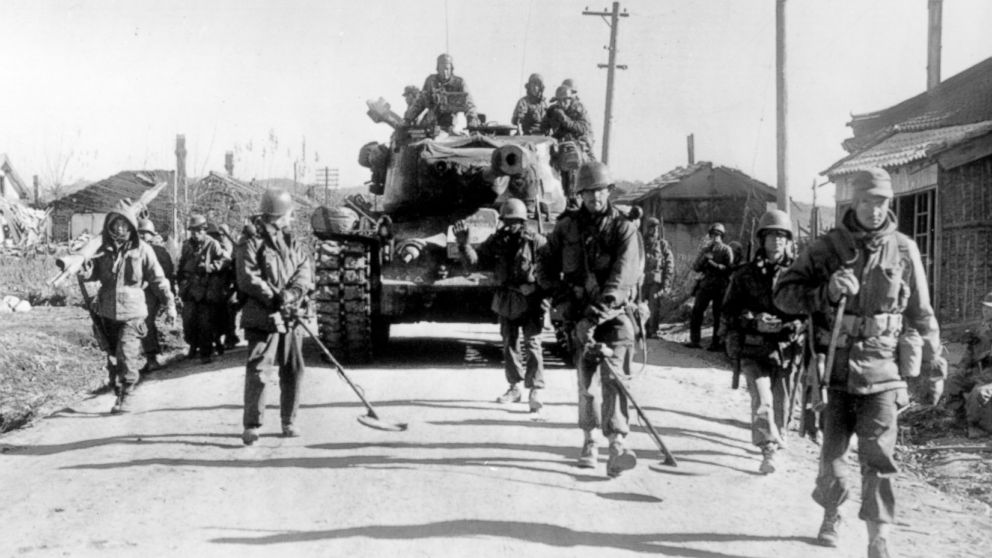
Fearing that Asian nations would fall like dominoes to the communist wave if Kim’s attack went unchallenged, the United States, under the flag of the United Nations, flooded Korea with troops.
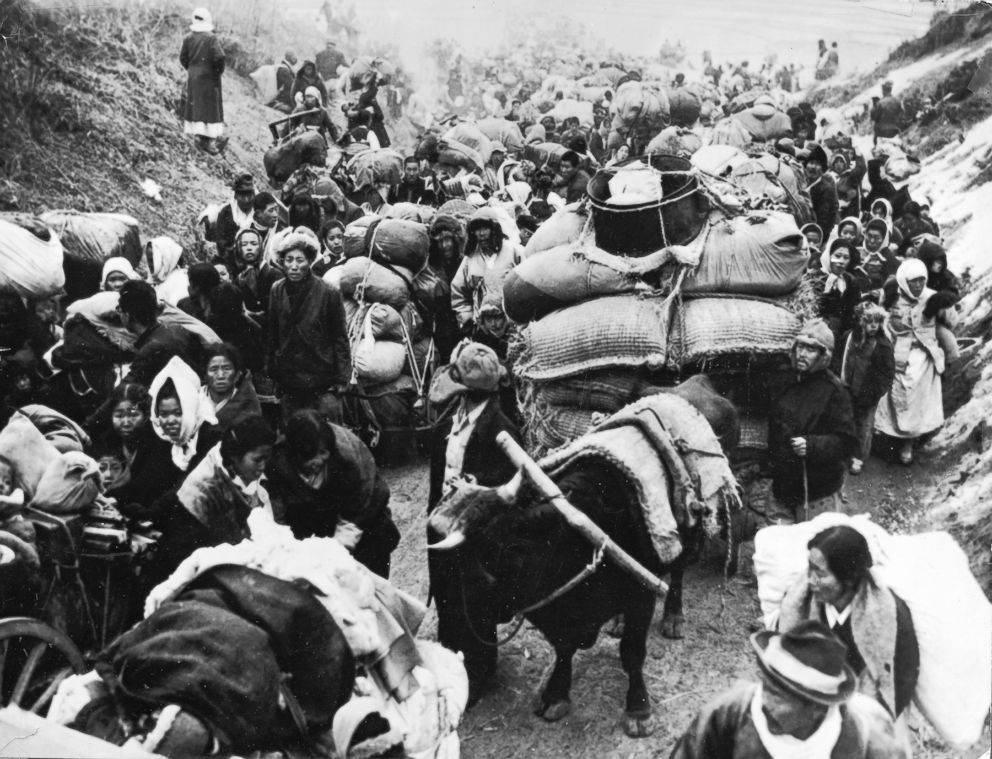
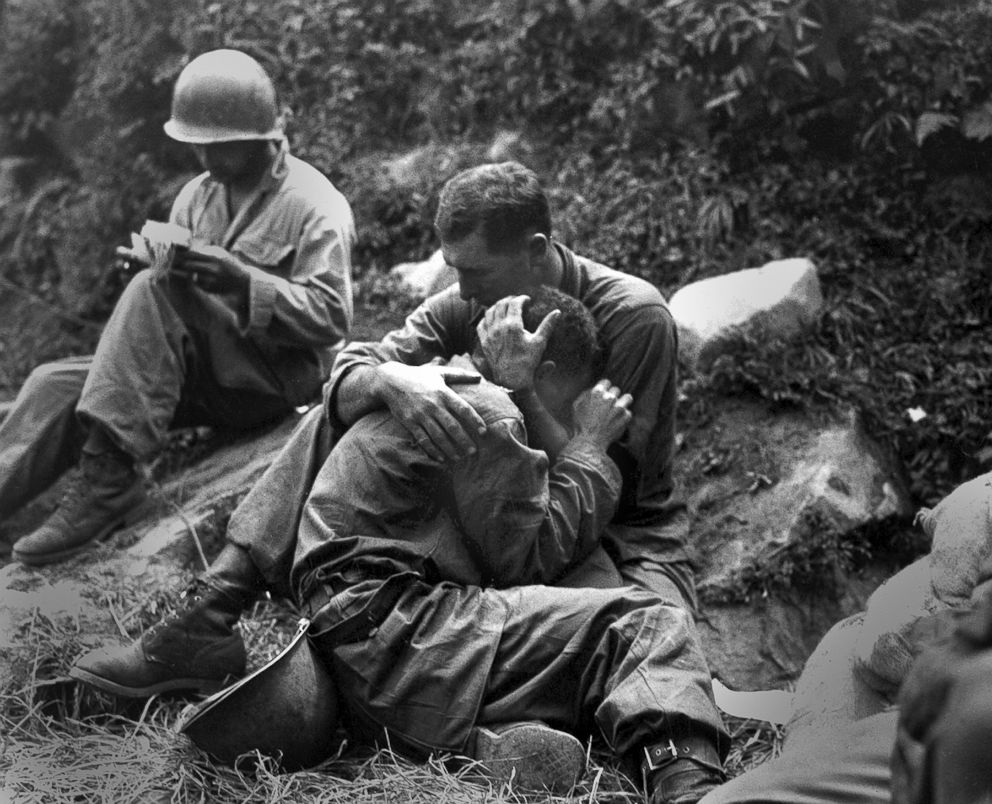
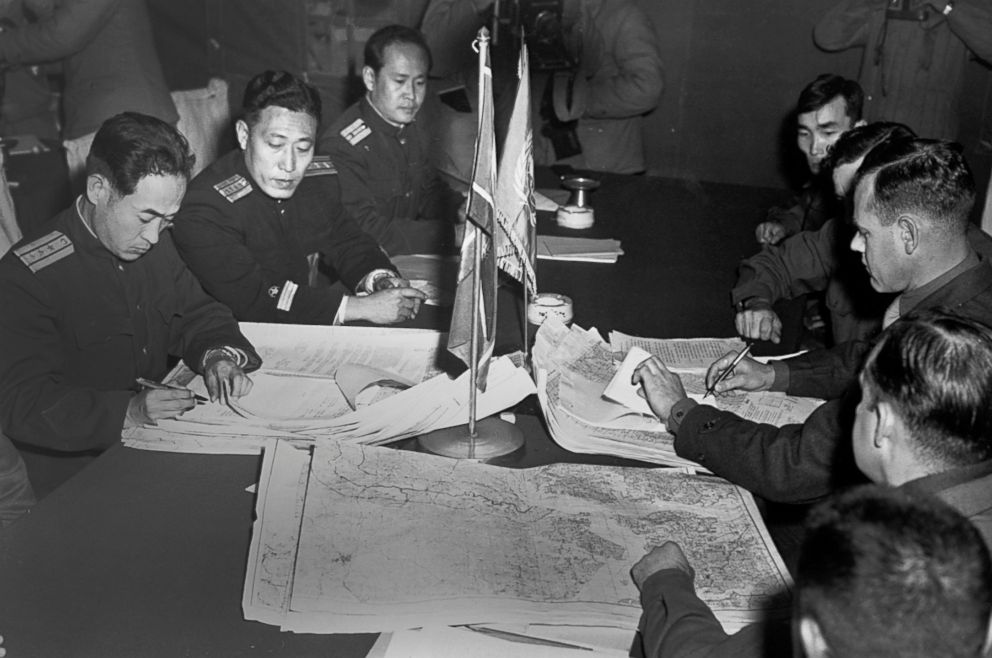
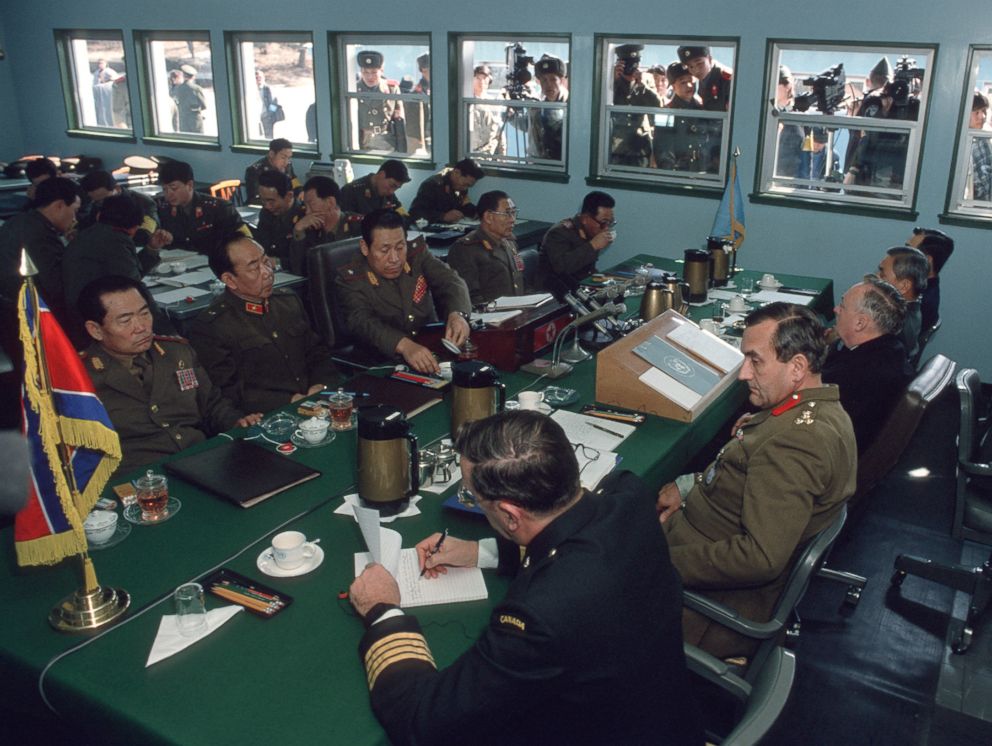
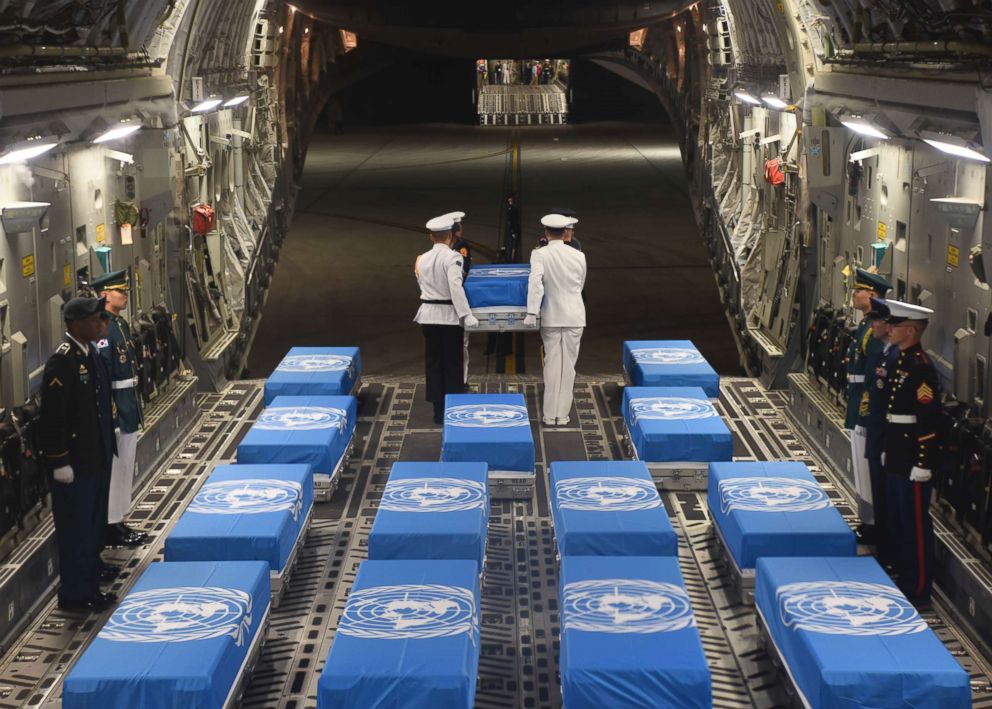
The war lasted three years, and the death toll was staggering: more than 3 million Koreans from both sides, 900,000 Chinese soldiers and 54,000 Americans. It ended in a stalemate with a truce signed at the 38th parallel.
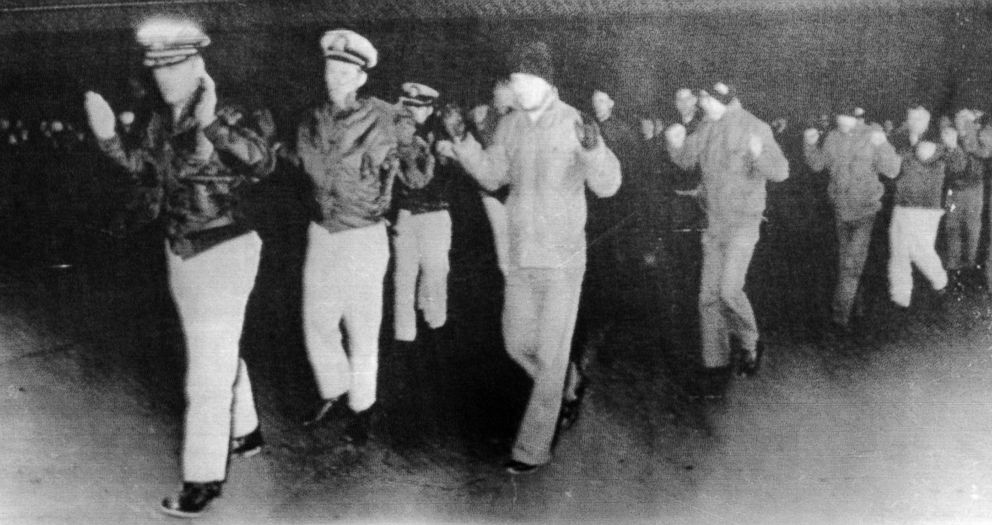
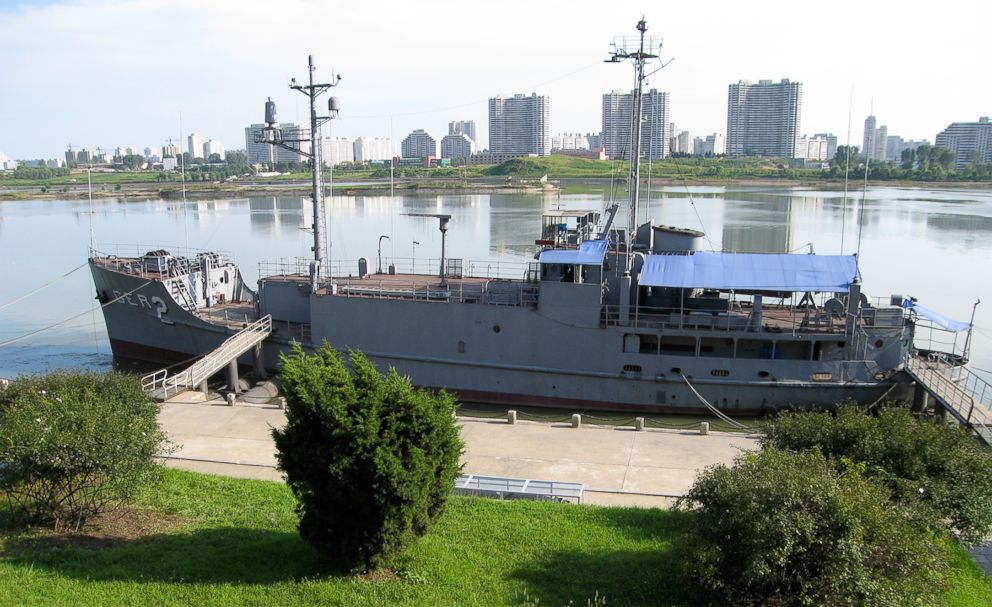
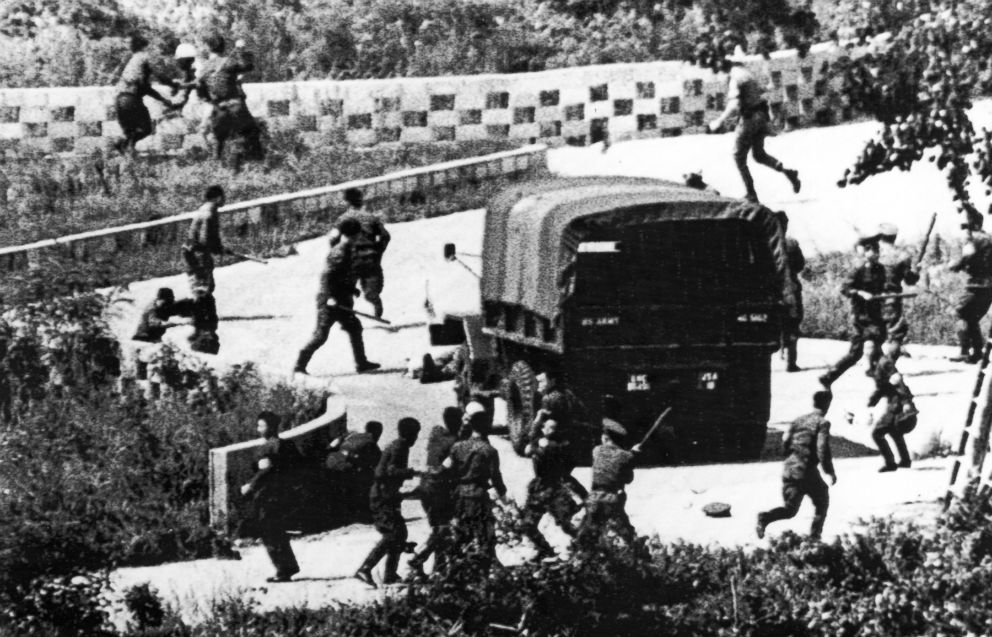
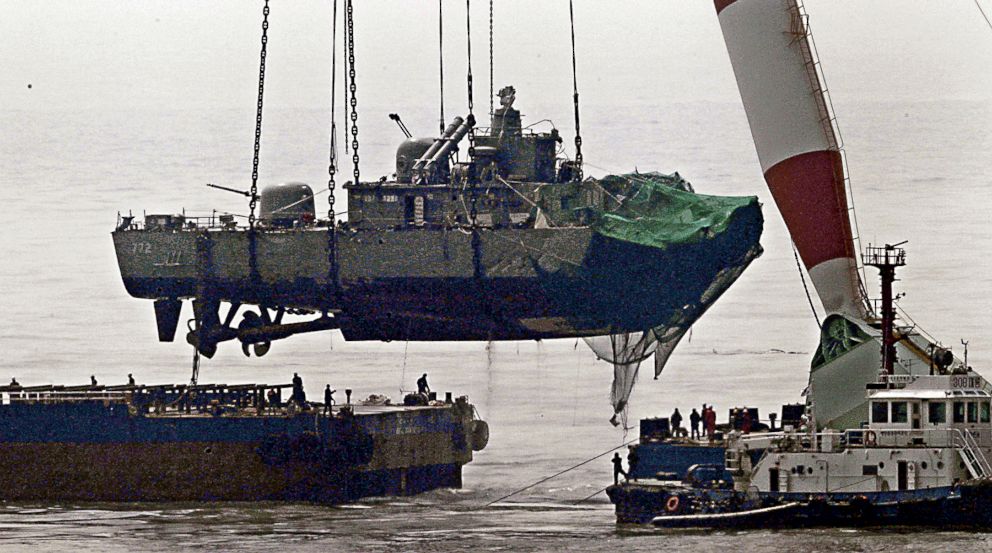
Serious incidents threatened the uneasy peace over the next decades -- a U.S. spy ship was captured in 1968, two American officers were killed with axes in a border fight in 1976 -- but the nuclear threat did not emerge until the 1990s.
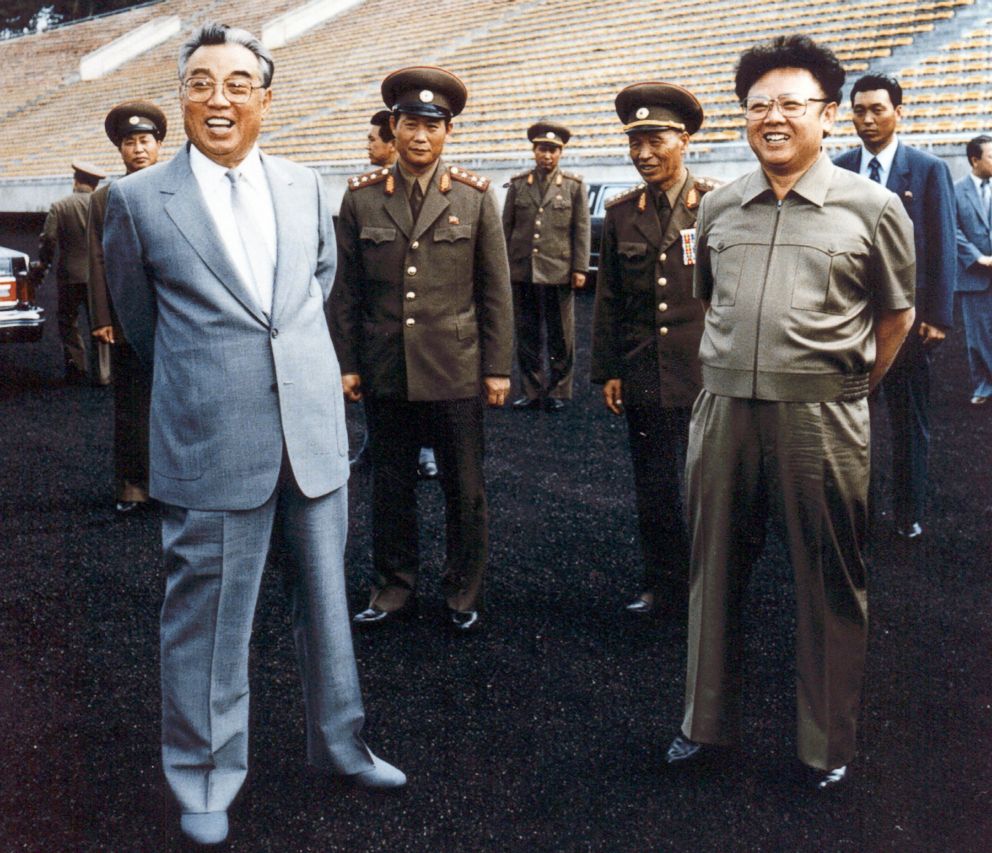
With the collapse of the Soviet Union, North Korea lost its biggest trading partner and a prime source of aid, and the isolated and secretive nation fell into a deep famine as Kim Il Sung’s son Kim Jong Il took power following the elder Kim’s death.
Increased nuclear tensions
Through the decade, millions of Koreans starved to death and Kim sought a new lever to extract concessions from the west by threatening to withdraw from the nuclear non-proliferation treaty before finally agreeing to suspend its weapons program in exchange for light water reactors that could not be used to make weapons but could help meet North Korea’s desperate need for energy.
Relations took a hard turn for the worse after 9/11 and President George W. Bush’s far-reaching “axis of evil” speech, where the president named North Korea along with Iran and Iraq as the primary forces of evil in the world.
"North Korea is a regime arming with missiles and weapons of mass destruction while starving its citizens," Bush told the United Nations. "The United States of America will not permit the world's most dangerous regimes to threaten us."
A year later, North Korea openly admitted it had been operating a secret nuclear weapons program, kicking off a series of alarming tests driving toward a goal of building a missile capable of delivering a nuclear warhead to the mainland United States, and sparking a remarkable war of words with U.S. presidents.
The insults, delivered from behind the anchor desk of state TV or in statements from senior officials, were provocative and lurid: Bush was “a half-baked man” and a “philistine”; Vice President Dick Cheney a “monster and blood-thirsty beast”; Obama was the subject of an all-out racist assault, called a “dirty fellow” and somebody who “does not even have the basic appearances of a human being.”
After he took power following the death of his father in 2016, Kim Jong Un first consolidated power by murdering family members and rivals, then kicked the nuclear program into overdrive. Missile tests, nuclear tests and flashy parades showed an alarming progression.
A new leader and a different turn
And then came Trump.
The North called Trump “the lunatic old man,” “deranged” and a “dotard.” Trump called Kim “short and fat” and a “madman” on Twitter, threatened him with “fire and fury” in the Rose Garden, and told the United Nations that "Rocket Man is on a suicide mission for himself."
It seemed as if the president who had promised to solve the North Korea problem was making it worse, and that North Korea’s endless provocations and insults might spark a violent reaction with unthinkable consequences for the region and the world.
So what happened to turn that collision course into a possible path for peace?
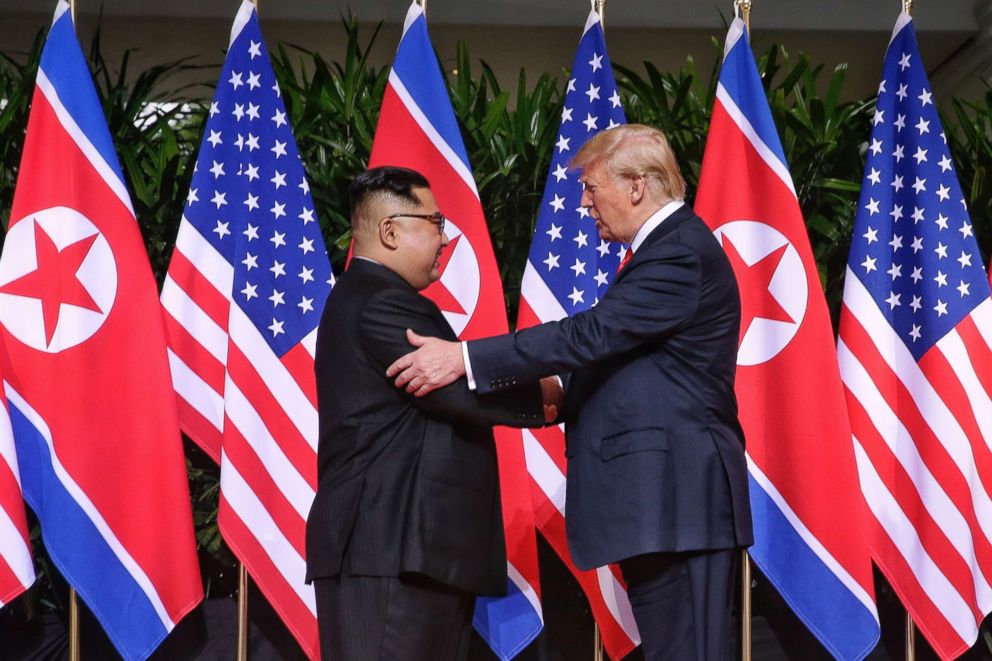
If the Singapore summit proves to be a real turning point, two events stand out.
The first was Trump’s decision to fire Secretary of State Rex Tillerson and replace him with CIA Director Mike Pompeo -- a skilled and experienced negotiator as close in style to Trump as Tillerson was distant.
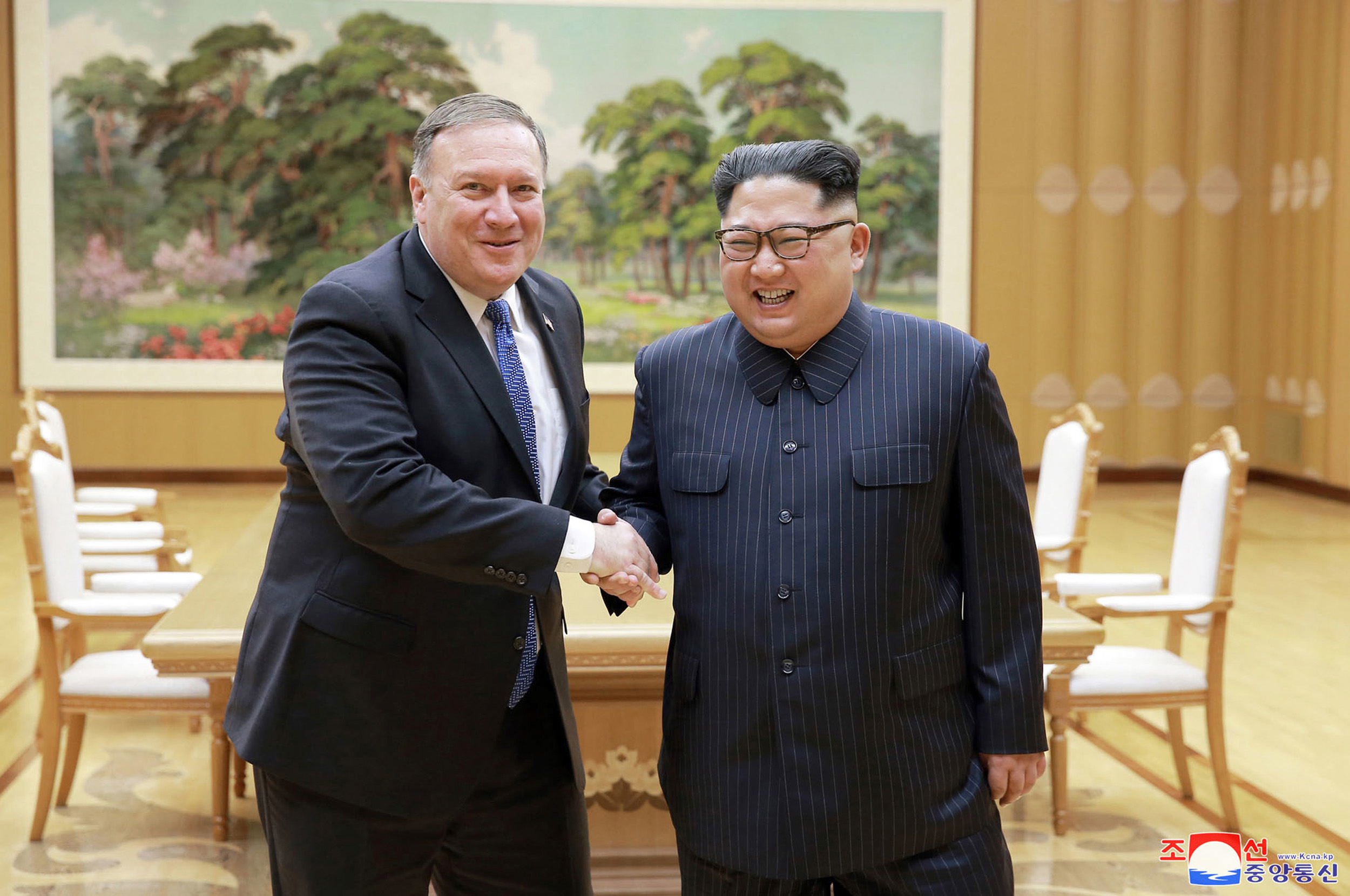
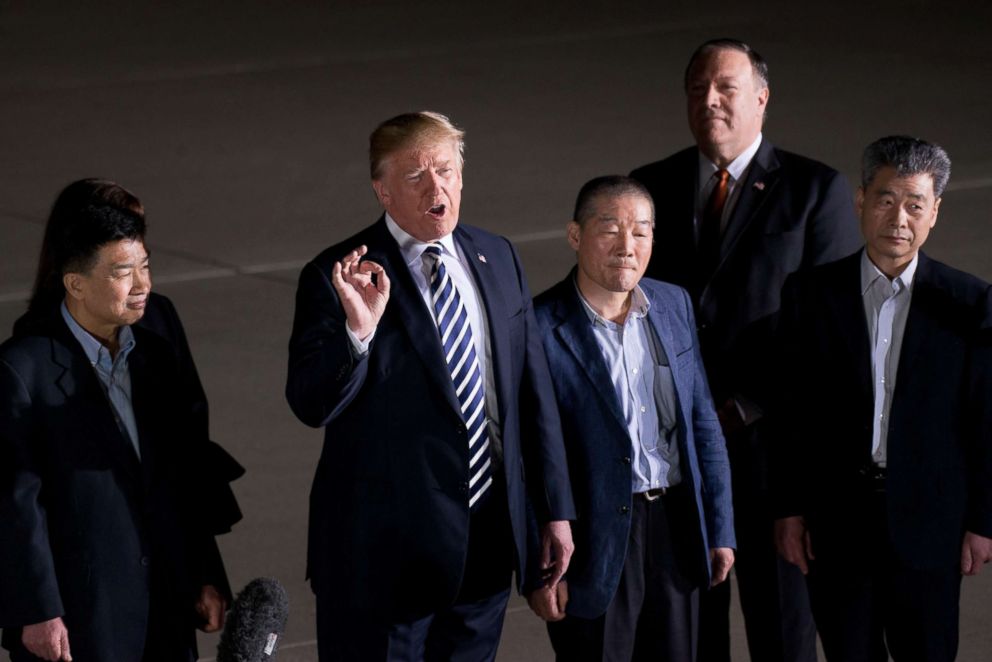
Pompeo met with Kim on May 9, secured the release of three Americans held by the North and drove hard toward next week’s historic summit.
“The approach that President Trump has taken is fundamentally different. In the past there have been months and months of negotiations that took us nowhere,” said Pompeo Thursday. “This has to be big and bold.”
The second pivot was Kim Jong Un’s.
In April, before a Workers’ Party meeting, Kim announced he was dropping his policy of “parallel advance,” where economic development and building nuclear weapons proceeded together to ensure North Korea’s prosperity and survival against the hostile forces arrayed against it.
Instead, Kim said, North Korea would focus on building up the economy, claiming that the nuclear weapons program was advanced enough to deter any act of aggression.
Skeptics noted that North Korea has a long history of making dramatic gestures to try to extract concessions from the west without ever intending to give up its hard-won nuclear capability and that Trump’s insistence on complete denuclearization will never be acceptable to Kim.