UN official in Sudan sounds alarm over lack of lifesaving aid after visiting Darfur
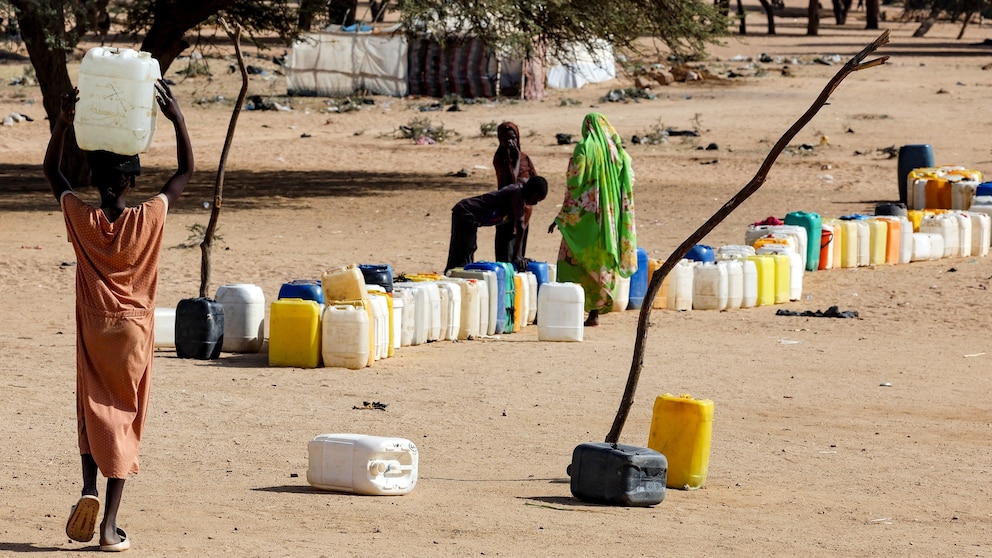
LONDON -- A month after a massacre that was reported in a war-ravaged city of Sudan shocked the world, the United Nations and others are warning that there's nowhere near enough humanitarian aid being provided to the tens of thousands of residents who have fled.
Many thousands more are believed to still be trapped inside El Fasher, the besieged capital of the Darfur region in Sudan's west. The Rapid Support Forces (RSF), the powerful Sudanese paramilitary group that took over the city last month, is allegedly preventing people from leaving and stopping lifesaving supplies from coming in.
The U.N. Resident and Humanitarian Coordinator in Sudan, Denise Brown, who returned from Darfur last week, said the amount of aid they were able to currently provide to the survivors from El Fasher wasn’t close to what is needed.
"We do not have enough food, we do not have enough of anything," Brown told ABC News in a telephone interview last Friday. "The international community has to step up."
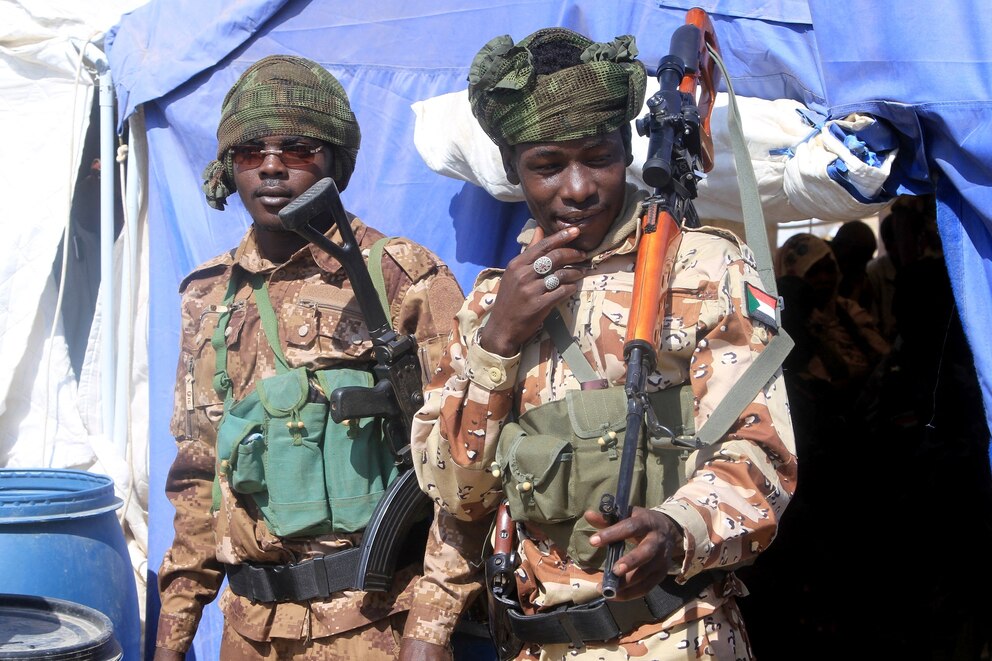
Sudan has been embroiled in a brutal civil war since 2023, when fighting erupted in the capital of Khartoum between forces loyal to rival military leaders. It was the culmination of weeks of tensions between Gen. Abdel-Fattah Burhan, the commander of the Sudanese Armed Forces, and Gen. Mohammed Hamdan Dagalo, known as Hemedti, the head of the RSF. The two men were once allies who had jointly orchestrated a military coup in 2021 that dissolved Sudan's power-sharing government and derailed its short-lived transition to democracy, following the ousting of a long-time dictator in 2019.
Officially formed in 2013, the RSF evolved out of the notorious Janjaweed militias used by the Sudanese government to crush an armed rebellion in Darfur in the 2000s. Sudanese forces and the Janjaweed were accused of committing war crimes in Darfur. Ultimately, the International Criminal Court charged Sudan's former dictatorial ruler Omar al-Bashir with genocide. The reported atrocities in El Fasher are seen by experts as a continuation of that genocide.
Sudan's civil war has since become "one of the worst humanitarian crises of the 21st century," according to the U.N., with tens of thousands of people killed and millions more displaced. In January, the U.S. Department of State said both sides had committed war crimes and concluded “that members of the RSF and allied militias have committed genocide in Sudan,” citing the systematic murder of civilians, sexual violence and denial of humanitarian aid for civilians caught in the conflict.
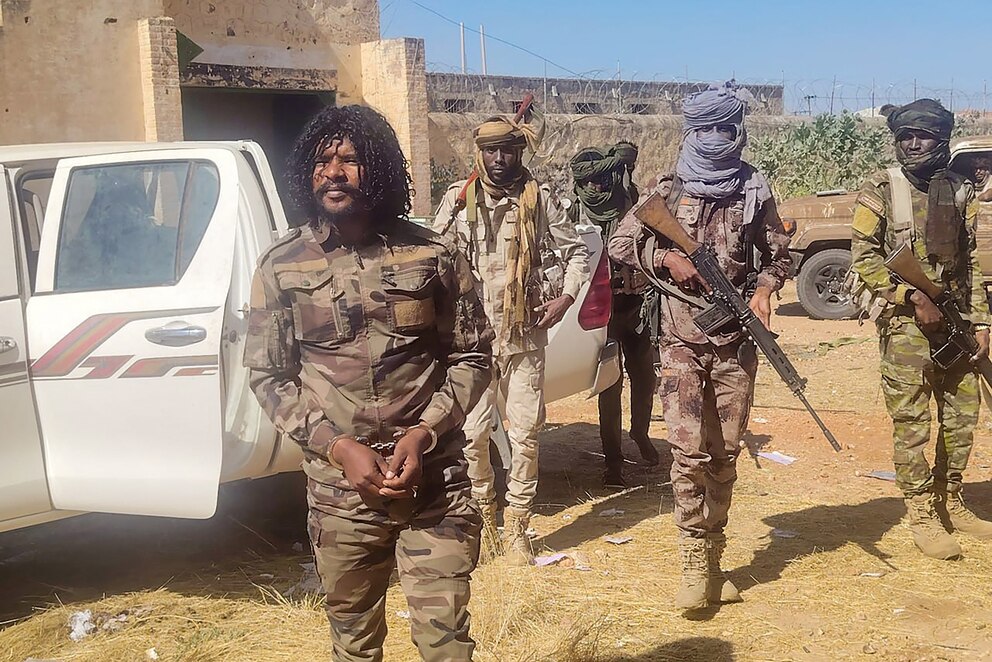
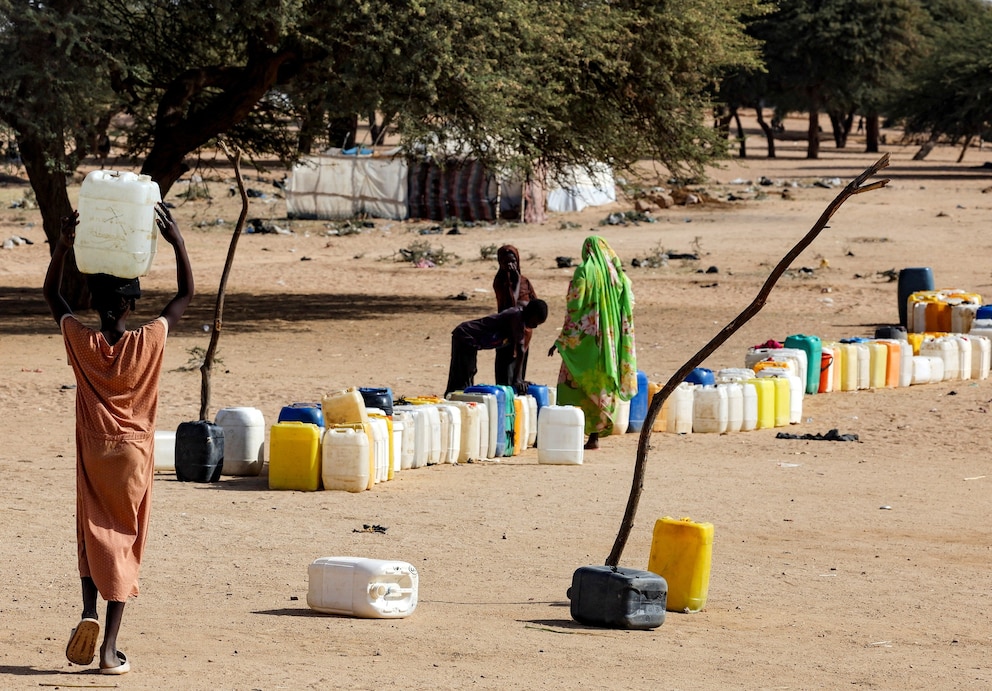
El Fasher was the last stronghold of the Sudanese army and its allied militias in the wider Darfur region, under total siege for over a year and a half before falling to the RSF in late October. At least 80,000 people are estimated to have fled El Fasher and sought refuge in a massive displacement camp in the town of Tawila, with most making the 35-mile journey on foot. The camp was already home to around 600,000 displaced people, according to humanitarian aid workers.
Many of those from El Fasher bring with them horrific accounts of atrocities allegedly carried out by the RSF, including summary executions, gang rape and firing on civilians as they tried to flee the city. The U.N. believes tens of thousands of people may still be trapped in El Fasher, considered to be detained there by the RSF. An estimated 150,000 people were inside the city before it fell to the RSF, with 80,000 of them believed to have since fled, according to Brown, who noted it's difficult to give precise numbers.
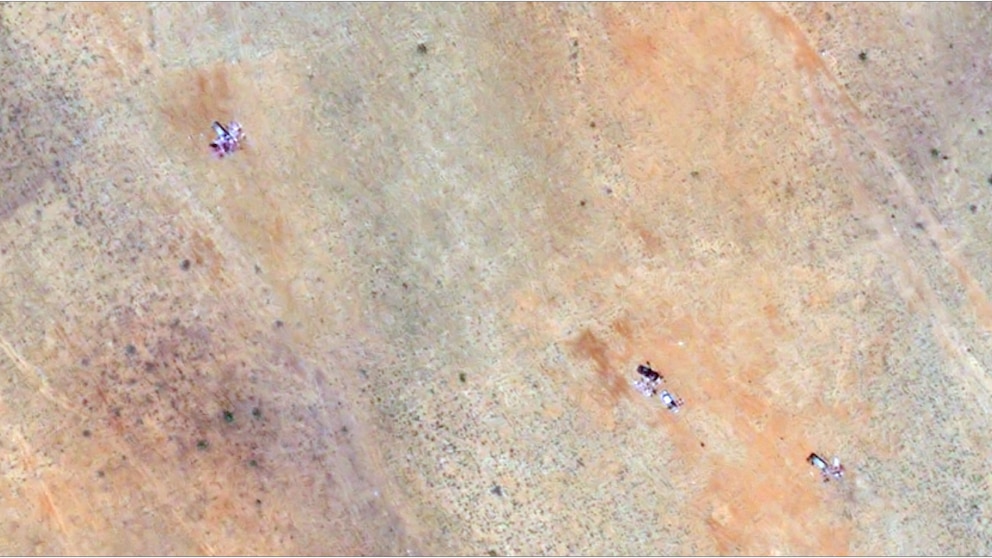
An analysis of satellite imagery by the Yale School of Public Health's Humanitarian Research Lab found evidence of continuing mass killings in the days after the RSF took control of El Fasher, with blood-stained sand and piles of bodies apparently visible from space. Moreover, a U.N.-backed monitor for food security declared earlier this month that famine had taken hold in El Fasher and surrounding areas.
Brown said the U.N.'s capability to respond to the crisis is limited by a yawning shortfall in funding from countries and donors.
"We are 28% funded," she told ABC News. "So what would the international community like me to do to respond to the needs of the people who are traumatized?"
Despite having less than a third of the funding needed, Brown said: "We're one of the best funded humanitarian responses in the world, at 28%, and there have been cuts across the board by donors. So it's a cumulative effect of those cuts."
The United States has long been the U.N.'s largest donor but, under President Donald Trump, has recently withdrawn from several U.N. agencies, frozen funding for others and clawed back $1 billion in previously approved funds for the U.N. However, Trump recently said he plans to help end Sudan's civil war after a personal request from Saudi Arabia's de facto ruler, Crown Prince Mohammed bin Salman, who visited the White House last week.
"Everyone is calling and asking how can we help? Well, here is how you can help," Brown told ABC News. "Money is not the solution to what's going on in Sudan, but money is surely going to help our humanitarian response."
In particular, Brown said, the U.N. was currently unable to provide enough care or psychological support for women and girls in the Tawila camp who had suffered sexual violence. The U.N. has hundreds of documented cases of gang rape and other sexual violence in the Darfur region, but that is believed to be just "the tip of the iceberg," according to Brown.
Earlier this month, following global outrage over El Fasher, the RSF agreed to a humanitarian truce proposed by a group of mediating nations -- known as the Quad -- made up of Egypt, Saudi Arabia, the United Arab Emirates and the U.S. But the Sudanese military, which is calling for the RSF to lay down weapons and fully withdraw from civilian areas, rejected the proposal as "biased" and "the worst yet." And this week, the RSF announced an apparently unilateral three-month humanitarian truce. The Sudanese military has not yet confirmed that any agreement was reached.
Meanwhile, the U.N. has been trying to negotiate with the RSF to allow humanitarian access into El Fasher -- so far, unsuccessfully.
The head of the U.N. Office for the Coordination of Humanitarian Affairs, Tom Fletcher, traveled with Brown to Darfur last week to meet with the RSF, requesting complete access throughout Sudan for humanitarian operations and providing the U.N.'s conditions for such an agreement.
"We need safe passage. We want a small team, no presence of any armed militia," Brown told ABC News. "We need to go to the sites which we have identified as important. We need to be able to evacuate the injured and access to detainees."
"And so far," she said, "the answer is no."