University of Oxford's Oriel College recommends removal of Cecil Rhodes statue amid protests
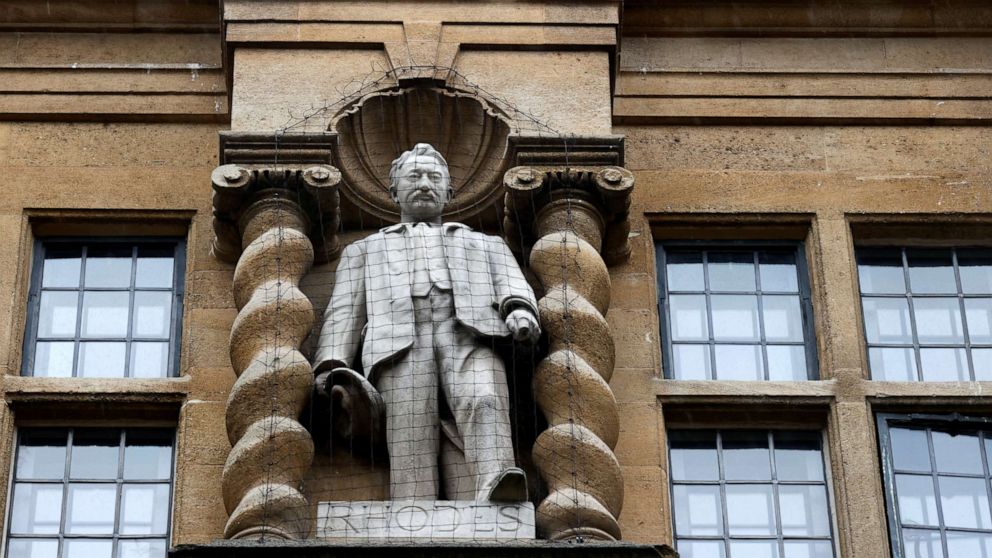
LONDON -- A college at the prestigious University of Oxford is calling for the removal of a controversial statue on campus of a 19th century British colonialist that has been the center of recent protests.
The governing body of Oriel College on Wednesday expressed their wish to take down the stone statue of Cecil Rhodes, which is mounted on the facade over the college's main entrance on High Street in Oxford, England. Rhodes was a British mining magnate and politician who supported apartheid-style British rule in southern Africa. He served as prime minister of Cape Colony, in present-day South Africa, from 1890 to 1896.
Oriel College said it has voted to launch "an independent Commission of Inquiry into the key issues surrounding the Rhodes statue," which will ultimately decide its fate. The commission is set to report to the college's governing body by the end of the year.
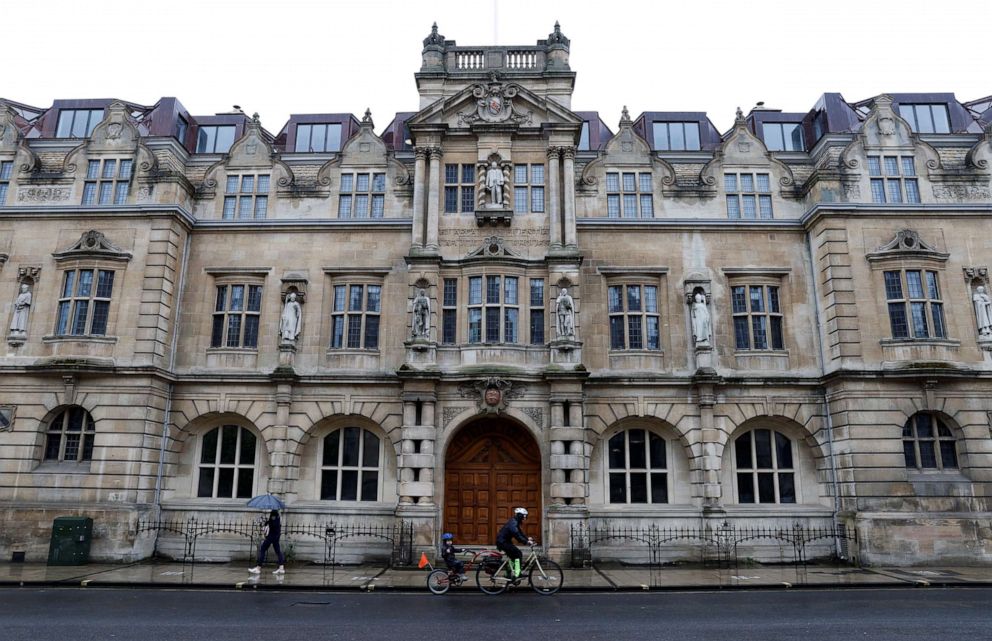
"The Commission will deal with the issue of the Rhodes legacy and how to improve access and attendance of BAME (Black, Asian and Minority Ethnic) undergraduate, graduate students and faculty, together with a review of how the college’s 21st Century commitment to diversity can sit more easily with its past," Oriel College said in a statement Wednesday.
"The Inquiry will, in turn, invite submissions from a broad range of stakeholders from Oxford itself and the country as a whole; the students, representatives of Rhodes Must Fall and Oxford City council, as well as alumni of Oxford and Oriel and citizens of the city," the college added. "Written and oral evidence will be requested. It is intended that some oral evidence sessions will be held in public, with similar rules of engagement to that of a parliamentary select committee."
The Rhodes Must Fall campaign began in South Africa in 2015, where protesters called for the removal of a Rhodes monument at the University of Cape Town. The brooding, bronze statue was ultimately taken down. The movement received global attention and spurred demonstrations in England over the statue at the University of Oxford's Oriel College.
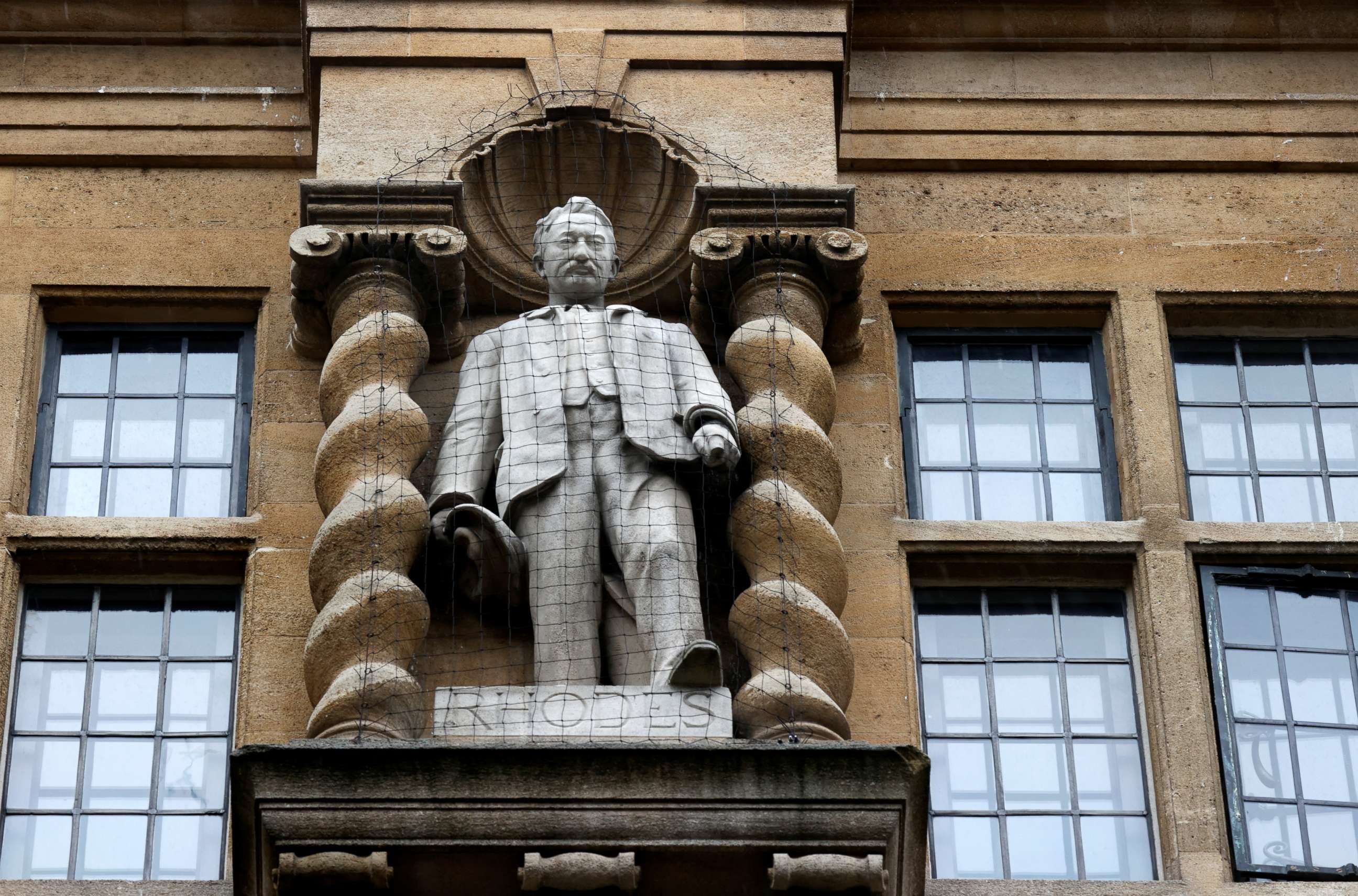
The college released a statement in 2016 saying that after "careful consideration" it had decided to keep the statue as "an important reminder of the complexity of history and of the legacies of colonialism still felt today."
The Rhodes Must Fall campaign, however, was revived by the global wave of anti-racism protests in the wake of George Floyd's death. The unarmed and handcuffed black American man died in Minneapolis on May 25 shortly after a white police officer was filmed kneeling on his neck as three other officers stood by.
Amid the civil unrest following Floyd's death, officials across the United States and around the world have announced the removal of contentious statues and monuments depicting historical figures linked to racism, colonialism and slavery.