What veterinarians want pet owners to know about coronavirus and their animals
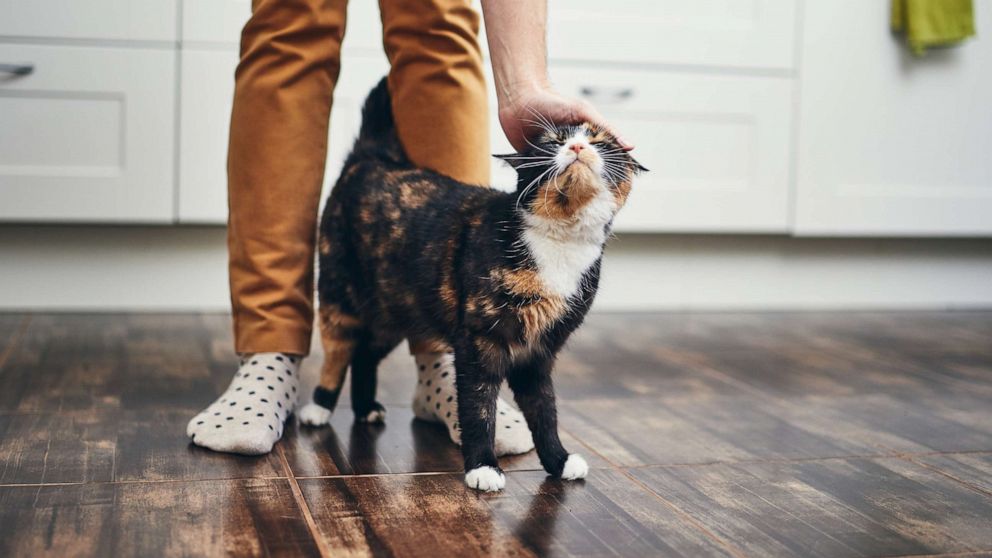

Your tabby cat may be in a different category than a tiger, but after one big cat at the Bronx Zoo was infected with novel coronavirus, pet owners have wondered if their furry friends at home could be at risk.
Here's what we know about pets and COVID-19
Can people get sick from pets?
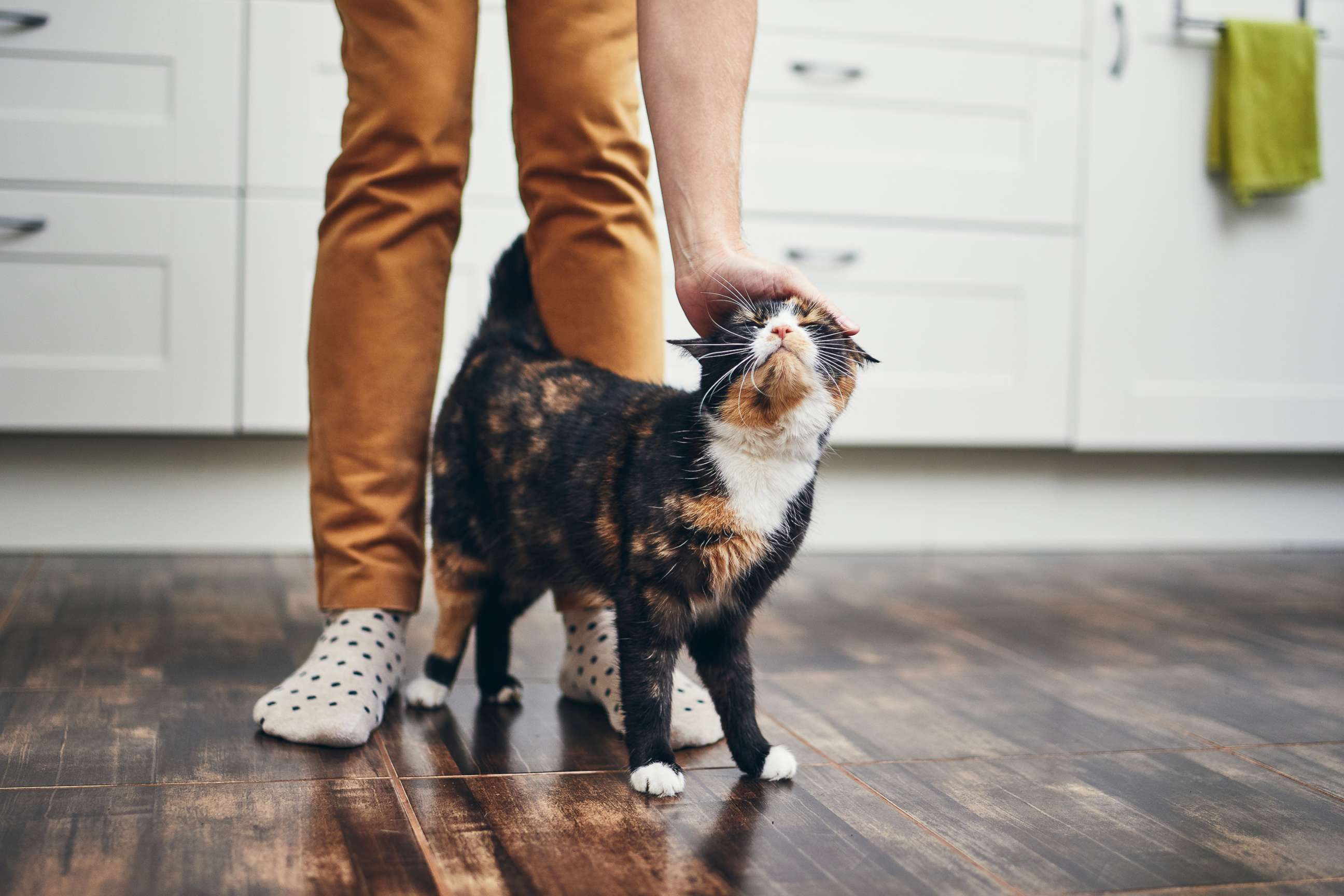
Although there have been very few reports of cats and dogs testing positive for coronavirus overseas, the Centers for Disease Control and Prevention (CDC), said no pets in the U.S. have been sickened and there is currently no evidence that pets can pass coronavirus back to their owners.
"We do not have evidence that companion animals, including pets, can spread COVID-19 to people or that they might be a source of infection in the United States," the agency said.
While there is "very limited data published in the medical and veterinary medical literature thus far, we have to remember coronaviruses in general are known to infect animals," ABC News' chief medical correspondent Dr. Jen Ashton said.
Dr. Evan Antin, an exotic, small animal and wildlife veterinarian, told ABC News, "If your pet has COVID-19 it's far more likely that you gave it to them or somebody else in your household and you've already been exposed to that person as well."
How to recognize if an animal is sick?
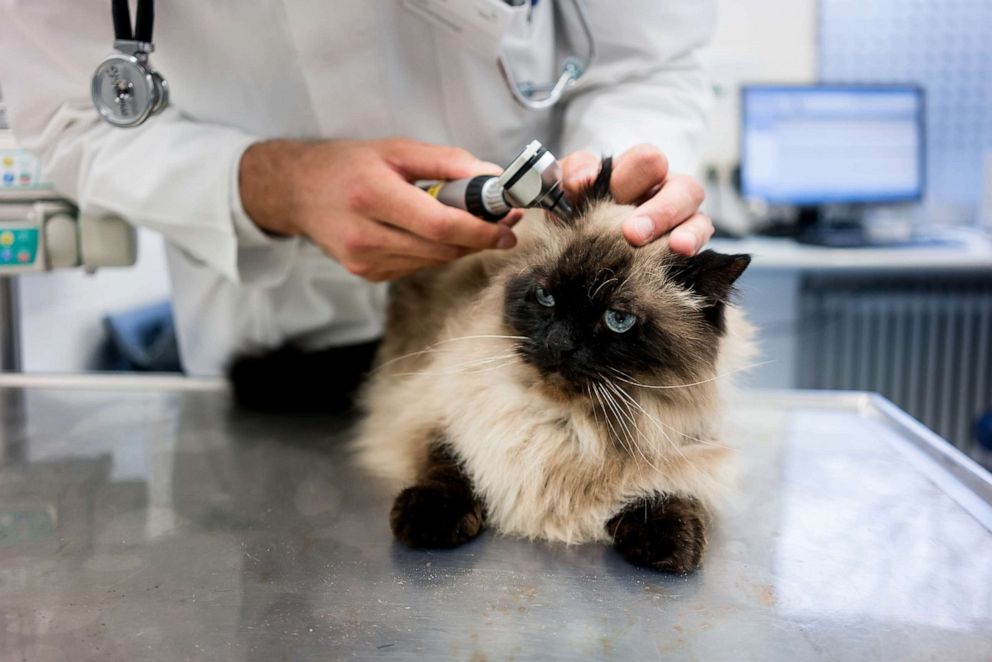
"All of the tigers and lions that got sick had a cough, it was a dry cough, not a productive cough," Dr. Paul Callie, chief veterinarian at the Bronx Zoo, told ABC News. "There's no treatment that is known to work, so we've treated just symptomatically."
Can coronavirus live on fur?
Simply put, "we don't know," Ashton said. "It has not been officially and formally researched yet."
Research has shown that the virus can live on hard surfaces, but it is unknown whether it can live on animal fur.
What precautions can people take around animals?
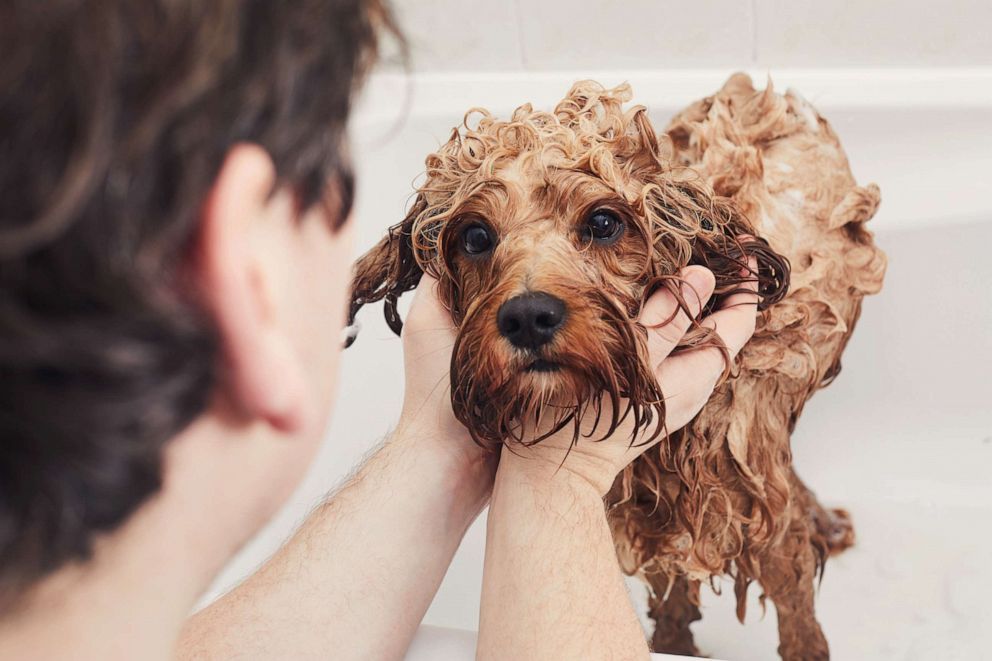
The CDC and the American Veterinary Medical Association (AVMA) suggest if a human is sick and it's implied or assumed they have COVID-19, they should keep a distance from pets just as they would from others.
"If you must care for your pet or be around animals while you are sick, wash your hands before and after you interact with them," the CDC said.
"Obviously you can't use a bleach wipe on your pet -- maybe wiping them off with water once in a while if that's possible," Ashton suggested, reiterating that the most important preventative tactic is to treat the animal how you would a person and keep your distance if not feeling well.
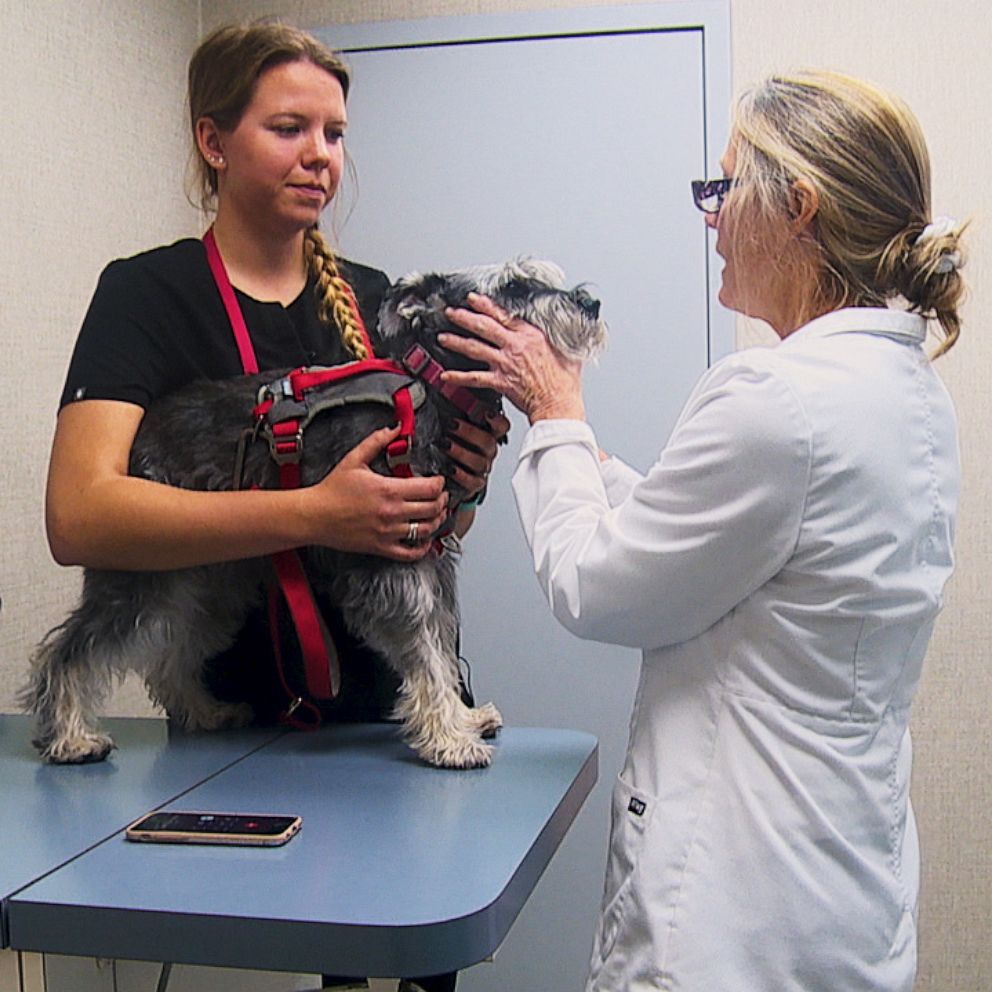


What to do if your pet becomes ill or symptomatic?
"Talk to your veterinarian if you have questions about your pet’s health," the CDC recommends.
According to the AVMA, "There is no reason to remove pets from homes even if COVID-19 has been identified in members of the household, unless there is risk that the pet itself is not able to be cared for appropriately."
How are animals tested?
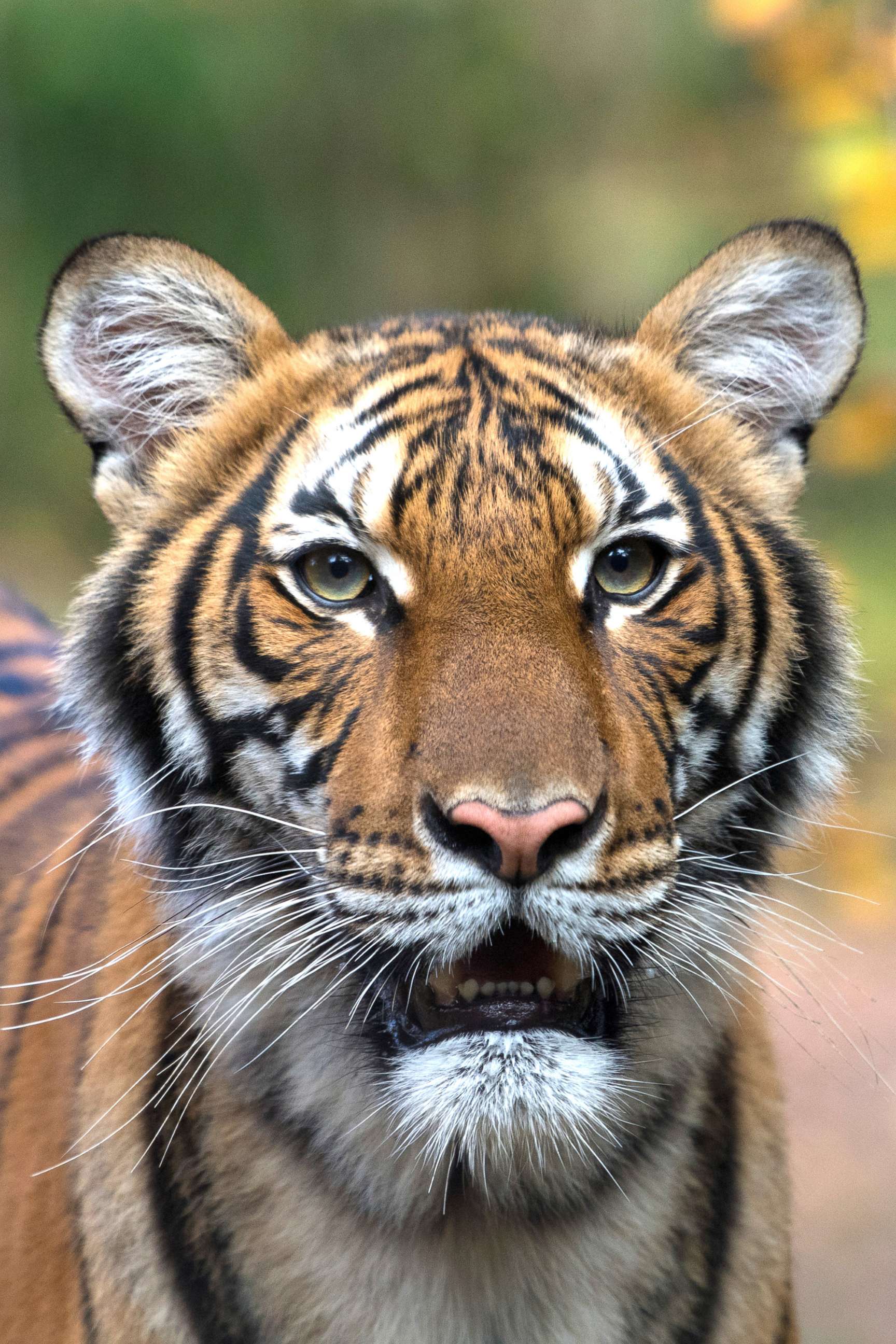
Nadia, the 4-year-old zoo tiger, was the first animal case of COVID-19 in the U.S. Her test was done at a USDA veterinary lab and is entirely different than the tests given to humans. It provides essential information about the virus and how it is transmitted in order to help keep people and animals safe.