• Video
  • Shop
  • Culture
  • Family
  • Wellness
  • Food
  • Living
  • Style
  • Travel
  • News
  • Book Club
  • Newsletter
  • Privacy Policy
  • Your US State Privacy Rights
  • Children's Online Privacy Policy
  • Interest-Based Ads
  • Terms of Use
  • Do Not Sell My Info
  • Contact Us
  • © 2026 ABC News
  • News

Volcano dormant for 700,000 years could soon resume activity, scientists say
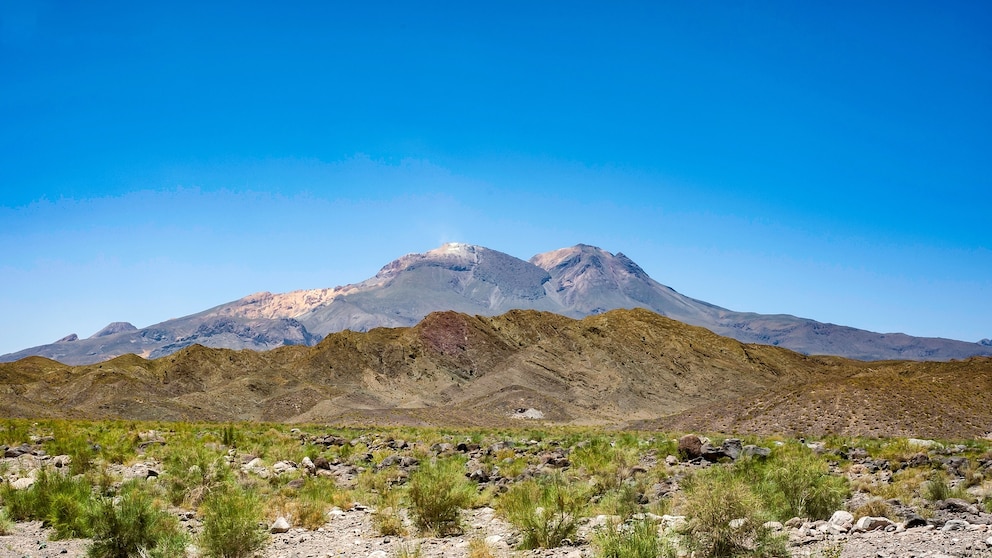
0:18
Russian volcano erupts for first time in 600 years
STOCK IMAGE/Getty Images
ByJulia Jacobo
October 24, 2025, 5:47 PM

A volcano that has been dormant for hundreds of thousands of years could be gearing up for a massive explosion, according to new research.

Scientists have measured signs of unrest at the Taftan volcano in eastern Iran, near the Afghanistan border, despite no eruptions in the last 700,000 years, according to a paper published earlier this month in Geophysical Research Letters.

Related Articles

MORE: Scientists discover new way to detect volcanic eruptions at Mount Etna

Rapid uplift was detected near Taftan's 13,000-foot-tall summit between July 2023 and May 2024, while an analysis method to reduce random noise due to atmospheric condition indicated that neither rainfall nor earthquakes triggered the unrest.
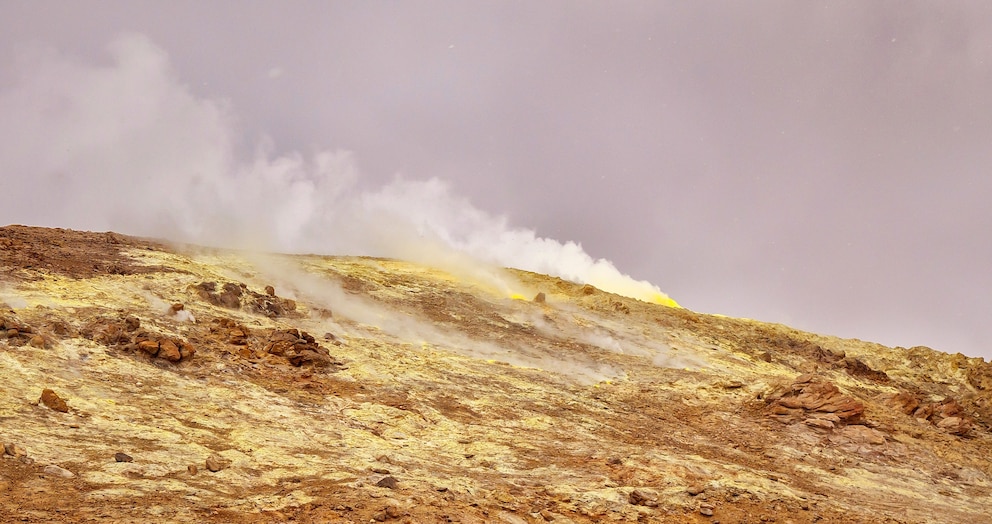
In this Jan. 3, 2020, file photo sulfur gas is shown coming out from the Taftan volcano in Iran.
STOCK PHOTO/Getty Images

Therefore, an explosive eruption is likely imminent, the researchers said.

Related Articles

MORE: Iliamna volcano in Alaska rumbling despite being dormant for over 100 years, scientists say

Changes in gas permeability within the shallow part of the volcano, as well as undetected deep magma movement, have likely led to the hydrothermal pressure buildup.

Taftan experiences frequent fumarolic -- or venting of gas -- activity, but geologic evidence indicates that it has not experienced a major eruption since 700,000.

"Uncertain" eruptions may have occurred in January 1902 and April 1993, according to the Smithsonian Institution's Global Volcanism Program.
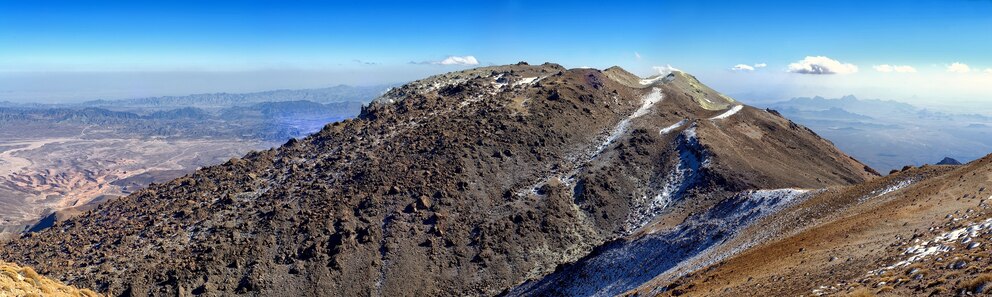
In this Dec. 23, 2019, file photo, the top of Taftan volcano is shown in Iran.
STOCK IMAGE/Getty Images

Currently, Taftan is not monitored at the same level of scrutiny as other volcanoes due to its remote location. Space-based satellite sensing is the only source of data to detect transitions from dormancy to unrest for many remote and unmonitored volcanoes, according to the paper.

Related Articles

MORE: Scientists solve mystery of 'zombie' volcano displaying signs of eruption for decades

The study reveals an urgent need to revise the current volcano risk of the Makran subduction volcanic arc -- a stretch of about 275 miles along the Indian Ocean -- and establish volcano monitoring networks in the region.

In this Jan. 3, 2020, file photo, the Taftan volcano is shown in Iran.
STOCK IMAGE/Getty Images

"Our findings reveal that Taftan is more active than previously recognized," the authors wrote.

Up Next in News—

This San Francisco shop is run completely by an AI agent

April 23, 2026

Mother charged after teen son allegedly hits and injures 81-year-old veteran while riding e-motorcycle

April 23, 2026

UK bill banning smoking products for those born after 2008 is one step away from becoming law

April 22, 2026

Pilot killed in Florida plane crash hailed as hero

April 21, 2026

Shop GMA Favorites

ABC will receive a commission for purchases made through these links.

Sponsored Content by Taboola

The latest lifestyle and entertainment news and inspiration for how to live your best life - all from Good Morning America.
  • Contests
  • Terms of Use
  • Privacy Policy
  • Do Not Sell My Info
  • Children’s Online Privacy Policy
  • Advertise with us
  • Your US State Privacy Rights
  • Interest-Based Ads
  • About Nielsen Measurement
  • Press
  • Feedback
  • Shop FAQs
  • ABC News
  • ABC
  • All Videos
  • All Topics
  • Sitemap

© 2026 ABC News
  • Privacy Policy— 
  • Your US State Privacy Rights— 
  • Children's Online Privacy Policy— 
  • Interest-Based Ads— 
  • Terms of Use— 
  • Do Not Sell My Info— 
  • Contact Us— 

© 2026 ABC News