NBA Lockout vs. Airline 'Too Fat to Fly' Rules
Oct. 26, 2011— -- The average height of an NBA player today is 6 feet, seven, inches and the average weight hovers around 222 pounds. Now visualize cramming such a physique into the average coach seat, and you have a real potential for "overflow." which is why airlines invented the "too fat to fly" rules.
Are basketball players affected by these policies? Possibly. But that's the trouble with these "customer of size" policies; they are notoriously difficult to interpret.
But if the NBA lockout continues, it's possible we could be hearing more about these "size" rules and how hoopsters figure into them; after all, not every player has his own private jet.
For more travelnews and insights view Rick's blog at farecompare.com
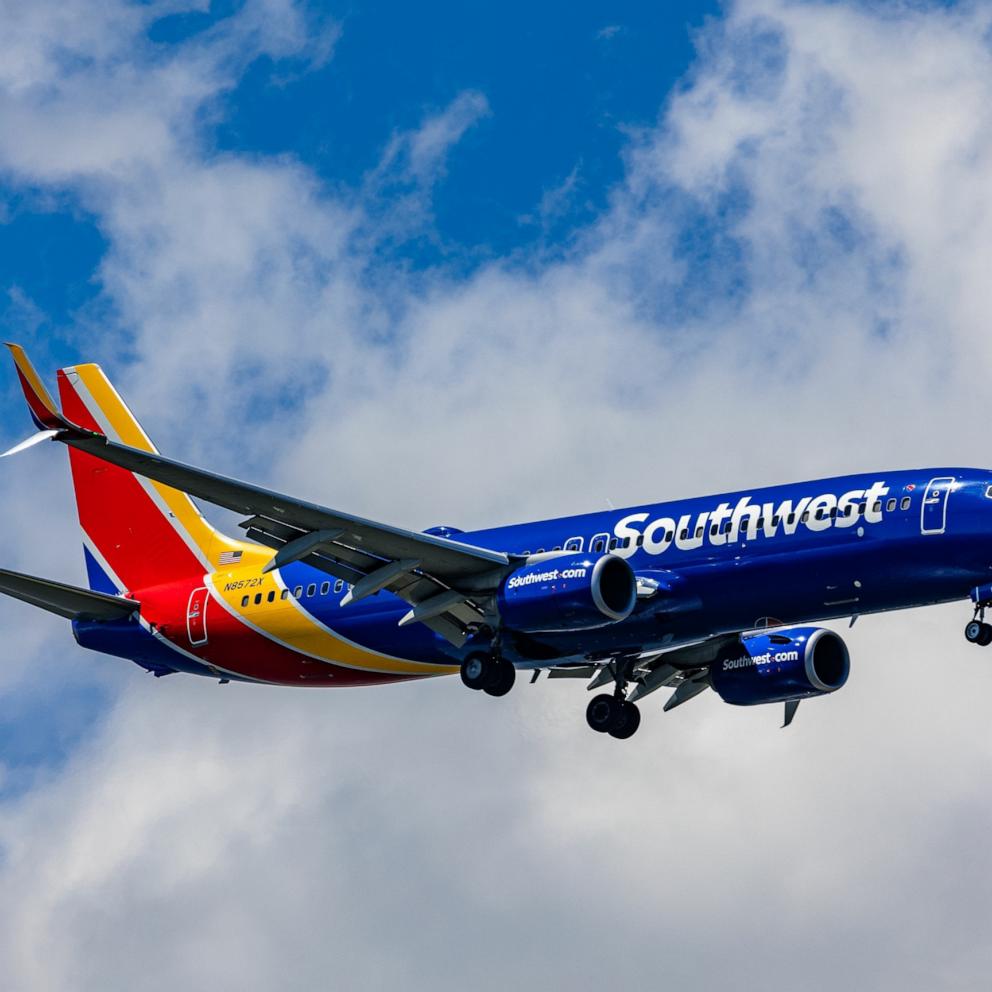
Traveling in comfort can be a trial for planeless players or for those who are simply frugal (perhaps they make a few bucks less than the reported annual average salary of $5.15 million). Maybe some ball players are just big fans of AirTran. If so, here's hoping the NBA lockout doesn't last through March, because that's when AirTran adopts Southwest's "customer of size" policy.
We all know that Southwest has a fairly stringent "big flyer" policy (and we know this because of film director Kevin Smith's endless tweets about it when he was told he took up too much space for a single seat); the reason AirTran is following Southwest's lead is because it's finalizing integration as part of Southwest's acquisition of the smaller carrier.
The specifics of the policy are somewhat confusing (which may be why Southwest devotes an entire section of its website to it, complete with 22 FAQs). What's confusing is, how do you know if you're too big for a single seat?
According to Southwest, the scale won't tell you, since "a number of overweight or obese people occupy only one seat." You can even use a seatbelt extension and not get dinged for an extra seat. What you cannot do is have any part of your excess weight overflow into your neighbor's seat.