Sour economy gives rise to extreme commuters
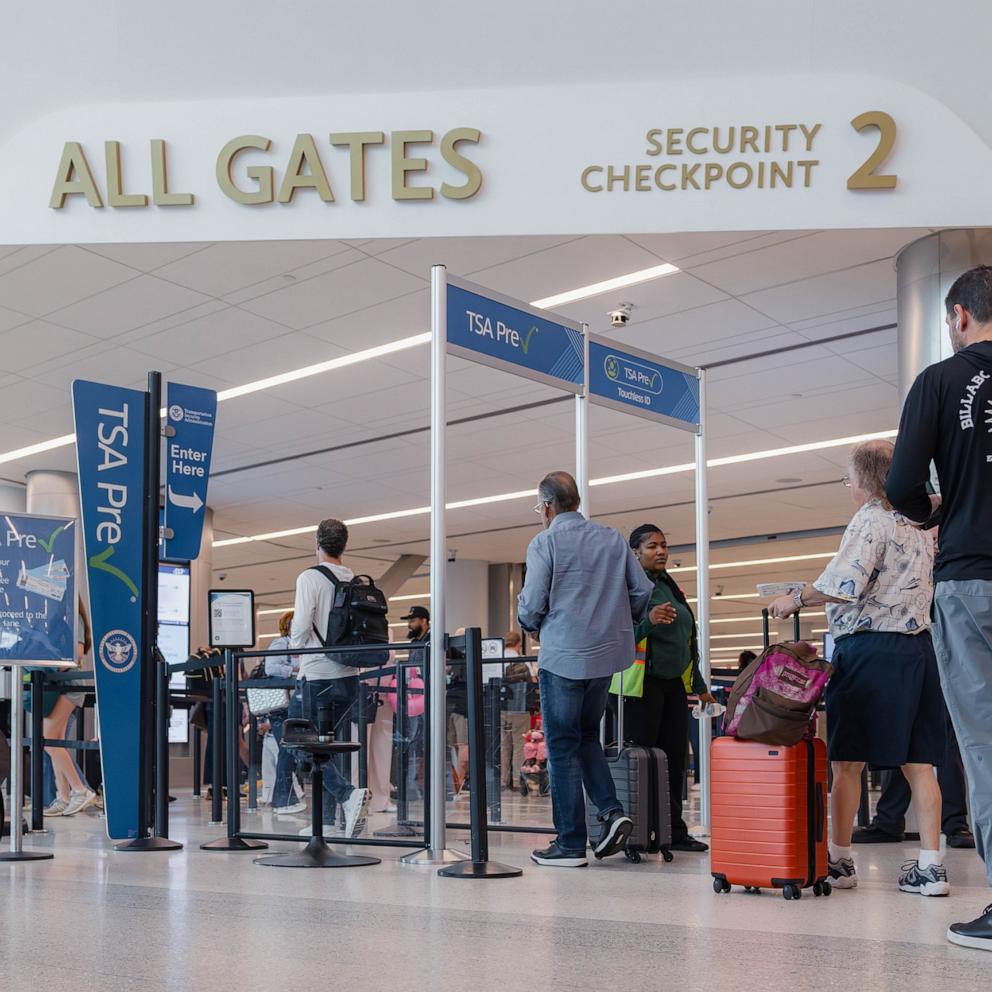
— -- Becky Casey rises early on Mondays to get to the office. She has to. Her commute — one she makes nearly every week — is more than 700 miles.
Casey leaves her home in the Chicago suburb of Glenview at 4:30 a.m. CT for a 6 a.m. flight out of O'Hare. At 9 a.m. ET, the plane touches down at New York's LaGuardia. Most weeks, this is her commuting life.
"You can usually be walking into the office by 9:30," says Casey, 48, director of national sales for the Denihan Hospitality Group. "Some people do this by sitting on a train for two hours. I sit on a plane for two hours."
Call them extreme commuters: Corporate trekkers such as Casey, who hop a jet each week, call a hotel room or part-time apartment home and see their families on weekends. Or there's the daily-grind version: Workers who hit the road before sunrise and spend almost as much time getting to and from the office — five days a week — as they spend behind their desks.
The number of Americans with marathon commutes is on the rise, particularly following a debilitating recession that has pummeled employment and the housing sector, a recent report on the nation's "super commuting" trend finds.
"What's really driving this is the economy," says Mitchell Moss, director of New York University's Rudin Center for Transportation and co-author of the report with Carson Qing. "We have people locked into current housing because it's hard to sell and even harder to buy. … You're not uprooting the family because you don't know how long the job will last."
For years, the freeways and tunnels around economic centers such as Los Angeles and New York have been jammed with commuters seeking financial opportunities in those hubs but who choose to live in often less-expensive communities an hour or so away. But in the past decade, long-distance commutes of at least 90 miles have become more common across the USA, Moss says.
"People have been commuting distances for a long time," Moss says. The shift, he says, is "the remarkable growth of this across the country."
Among those working in the core counties of the nation's 10 largest metropolitan areas, the number of "super commuters" — defined in the NYU report as someone commuting from outside the combined metro area, usually at least 90 miles away — grew by 2.1% between 2009 and 2010, the last year for which data was available.
Texas has the lion's share of long-distance trekkers, with 13% of workers in both Dallas and Harris counties (which includes Houston) doing such commutes in 2010, according to the NYU report. For those commuters, Southwest Airlines is often the transportation of choice.
"We have heard anecdotally that folks do use Southwest to commute to (and) from work, either on a daily basis or a weekly basis," says Southwest spokesman Chris Mainz, noting that such commutes are usually short hops between cities such as Dallas and Austin.
The long-distance trend is also showing up in the nation's hotels. Phil Baxter, general manager of the Four Points by Sheraton Los Angeles International Airport says in the past decade, his hotel has seen a 5% increase in the number of guests traveling there from cities such as San Diego, roughly 100 miles away.
Others travel much farther.