1st injectable, bimonthly HIV treatment approved in UK
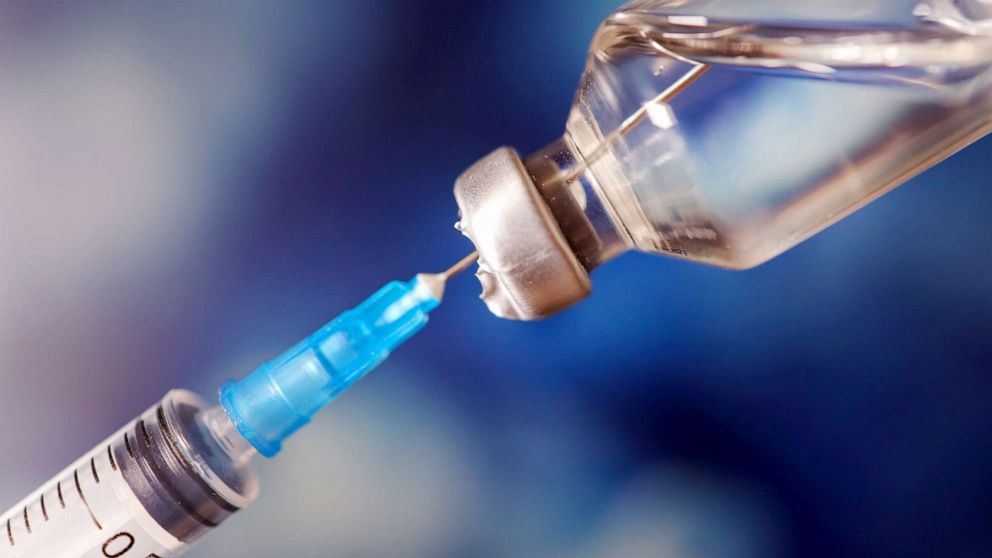
The UK approved a new HIV treatment that requires an injection every other month, rather than the current routine of taking pills every day.
The UK's National Institute for Health and Care Excellence estimated that around 13,000 people will now be eligible for cabotegravir with rilpivirine, the injectable medication.
There were around 103,000 people living with HIV in the UK in 2018, according to the British government's statistics.
"It is an exciting and progressive step in the fight against HIV," Dr. Todd Ellerin, director of infectious diseases at South Shore Health and ABC News contributor said. Ellerin is also on the speakers bureau of ViiV Healthcare which helped develop the injectable HIV treatment.
Besides the new revolutionary injection method, the current treatment for HIV is lifelong antiretroviral tablets that are taken each day. The medication suppresses the virus in the blood to undetectable levels, thereby preventing AIDS from occurring and eliminating transmission.
The injections block the same enzymes as the pills do, as Ellerin explained, but allow the medication to stay in the body much longer permitting monthly or bimonthly re-dosing, so patients don’t need to take pills every day.
The shot called Cabenuva (a combination of cabotegravir and rilpivirine) was already approved by the FDA in January, though with a more frequent dosage of once a month.
"[The] thing I like about injectables is less is more," Ellerin said. "The medication approved in the UK will be once every two months, which makes it easier for the patients to come to the office rather than coming every month," he added.
"For many, taking daily pills is not easy. Sometimes they forget, some may have other issues with taking pills, but the injection is suitable for those who prefer a more intermittent method," he added.
However, there are challenges to this method. One, is the logistics of the injection, as the jabs must be administered at the health care provider's office for now, Ellerin said.
"The biggest challenge is the logistic hurdle for giving these [shots] in the office, especially in the pandemic," said Ellerin.

Also, if patients don’t show up for their injection, that increases the risk of viral replication rebound, Ellerin said. With pills, you can remember to take them the next day and have a stock of them at home.
Both in Britain and the United States, cabotegravir and rilpivirine can be prescribed and used after an initial oral (tablet) lead-in period.
"This is why people who are newly diagnosed with HIV can't start their treatment with injection," Ellerin said.
There are hopes that by the first quarter of 2022, the FDA also approves the bimonthly injection, and with that more patients might choose this method over pills, especially if the COVID-19 situation eases, according to Ellerin.
"As of now, this is not a preventive method. It is just for maintenance treatment. There are also injections for prevention down the way. But that is another story," Ellerin said.
Ellerin also said that the reason the injections are available at clinics only is that this is the way it was studied in clinical trials and that these are buttocks injections that are difficult to self-administer at home.