Twin sisters conjoined at the head underwent successful separation surgery: Hospital
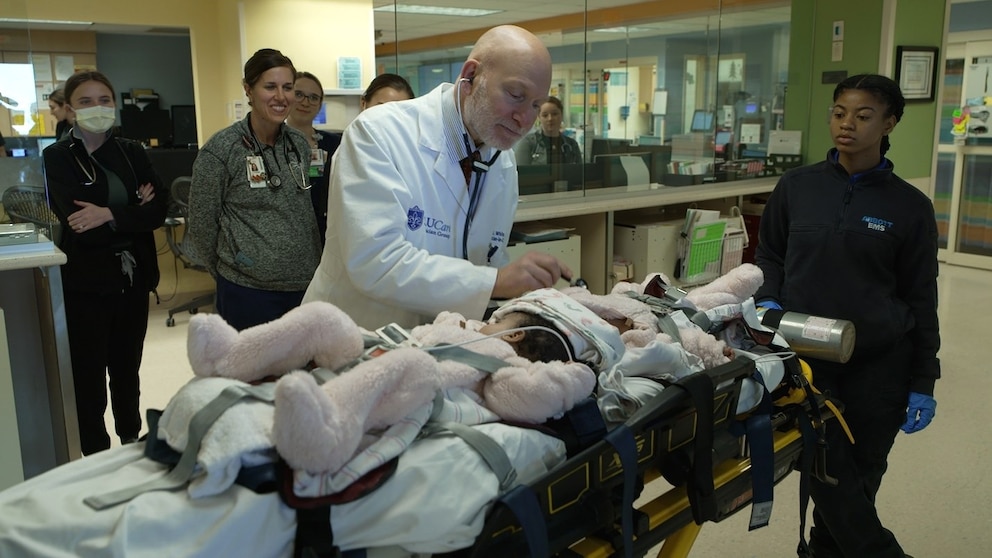
Surgeons at a children's hospital in Missouri earlier this year successfully separated infant twin sisters, who had been born conjoined at the head, hospital officials announced Wednesday.
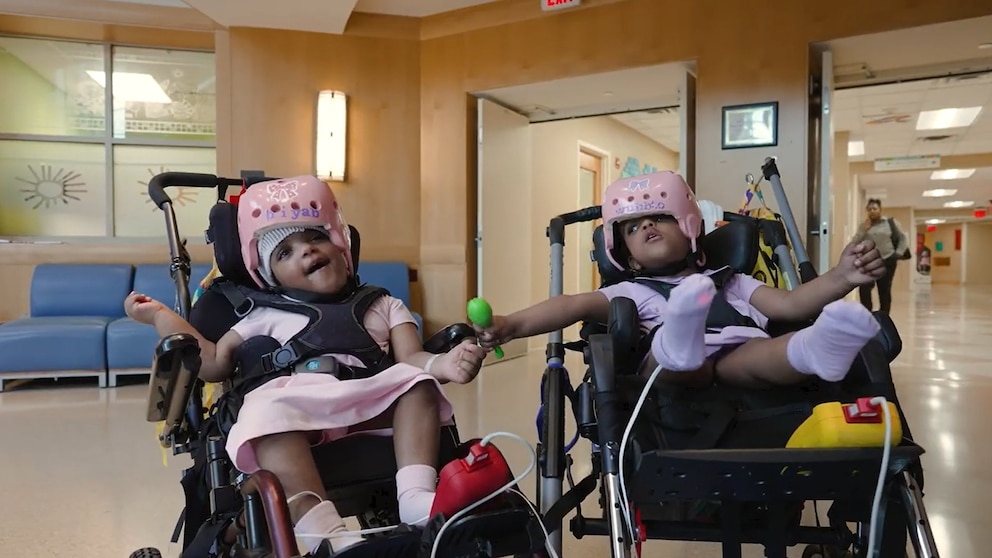
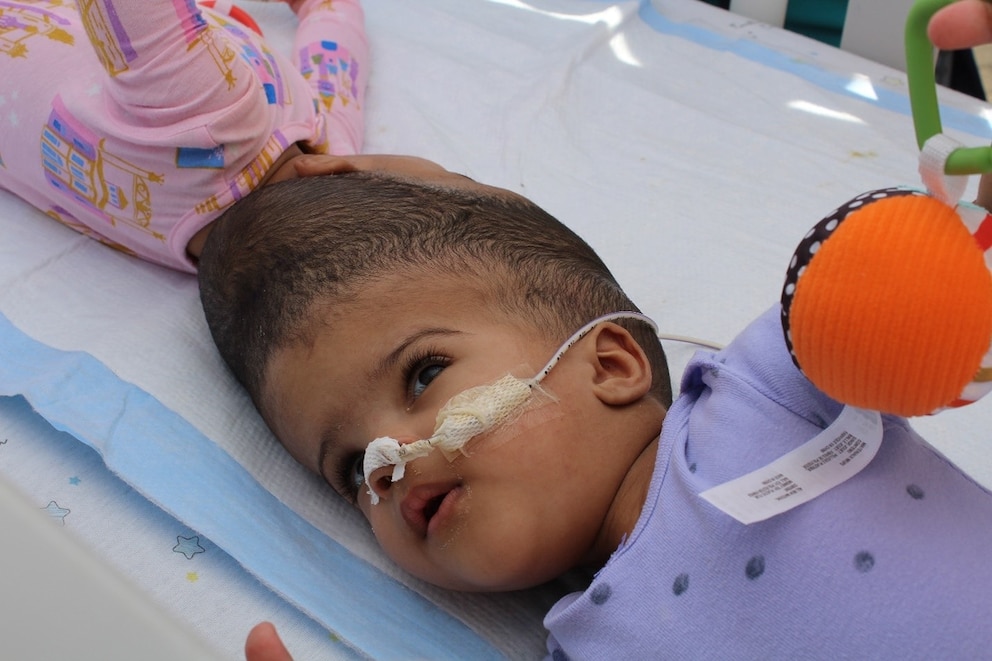
Sisters Hiyab and Wuhbto are now recovering and undergoing rehabilitation and intensive care, more than six months after their cranial separation surgery in February, the hospital said.
The Feb. 24-25 surgery, at SSM Health Cardinal Glennon Children's Hospital in St. Louis, Missouri, took more than 24 hours to complete and involved a team of specialists across multiple disciplines.
"It is still too soon to know exactly what their long-term development will look like but what we do know is that they now have opportunities that would not have been possible without this intervention," Dr. Joanna Kemp, head neurological surgeon at SSM Health Cardinal Glennon Children’s Hospital, said in a press conference Wednesday.
The twin siblings traveled from their home country of Ethiopia in March 2025 to the United States in preparation for the surgery, the hospital said. They turned two earlier this March, following their separation surgery.
Hospital officials said Hiyab and Wuhbto are receiving rehabilitative services at Ranken Jordan Pediatric Bridge Hospital in Maryland Heights, Missouri.
"The girls are beginning to take full advantage of the miracle of their surgeries through a multidisciplinary therapy regimen at Ranken Jordan," Dr. Nick Holekamp, chief health transformation officer at Ranken Jordan, said in a statement. "They are now able to participate in individually focused therapies to do the activities of daily living that they could not do while conjoined, such as therapies to sit, eventually to stand and walk, to eat and speak, to socialize, and to play with other kids, including each other."
Identical twins who are born conjoined are rare, with StatPearls, an online library published in the National Library of Medicine, estimating the incidence occurs in about one out of every 50,000 to 100,000 live births. More girls tend to be born conjoined, happening about three times as often, StatPearls said.
The complex procedure involved multiple partners, including SSM Health Cardinal Glennon Children's Hospital and Ranken Jordan Pediatric Bridge Hospital in Missouri; Lola Children's Home in Ethiopia; Ronald McDonald House of Charities; Ethiopian Airlines; and other global organizations.