More than 75% of US adults may meet criteria for obesity under new definition: Study
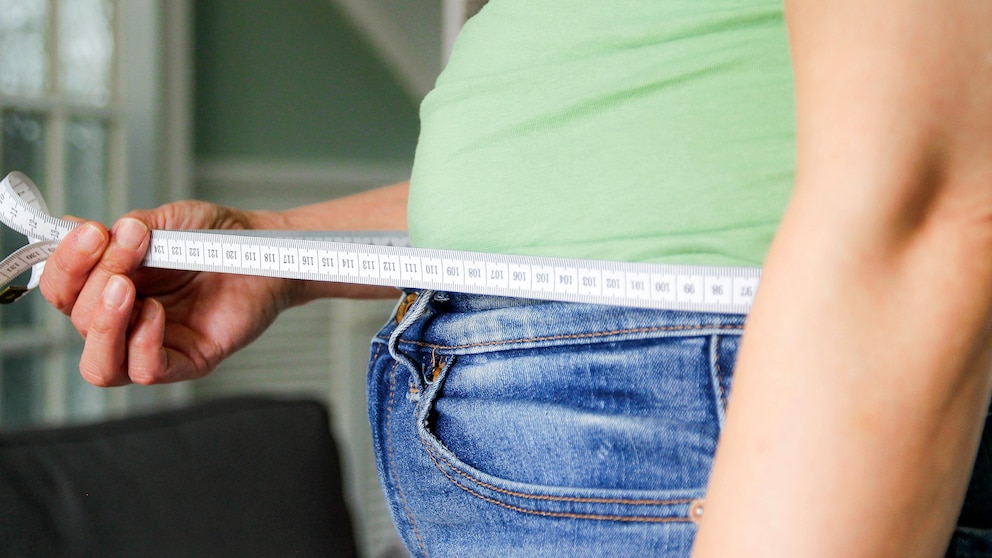
A new definition of obesity could nearly double the prevalence of U.S. adults with the condition, according to a study published Monday.
For decades, doctors have relied on body mass index (BMI) -- a tool that uses height and weight to estimate body fat -- to determine obesity.
A team of researchers from Beth Israel Deaconess Medical Center, Harvard University, Yale University and Yale New Haven Health, found that BMI alone may significantly underestimate how many U.S adults have obesity.
Using a new definition that includes waist-based measurements, the team found that more than 75% of adults may meet criteria for obesity compared to 40% when using BMI alone.
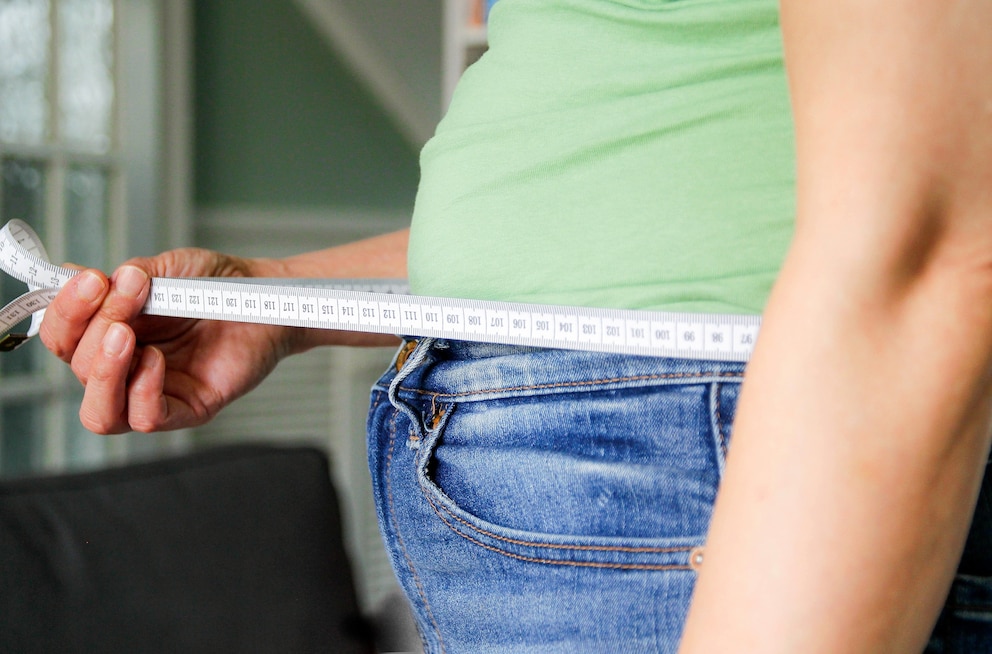
Earlier this year, The Lancet Diabetes & Endocrinology Commission -- a partnership between the medical journal and the health clinic King's Health Partners Diabetes, Endocrinology and Obesity -- proposed a revised obesity definition that included waist circumference, waist-to-hip ratio and waist-to-height ratio.
More than 70 medical organizations around the world have endorsed the definition but its use in practice has not been evaluated, according to the study authors.
"BMI is the standard measure for determining criteria for obesity. It's the most widely known metric," Dr. Erica Spatz, a cardiologist at Yale School of Medicine and co-author of the new study, told ABC News.
She noted that BMI alone does not account for adipose tissue, which stores energy, insulates organs and produces hormones that regulate appetite.
Spatz said adipose tissue is less visible than other types of fat but "is more associated with high blood pressure, diabetes and heart disease."
For the study, published in JAMA Network Open, the team used data from the National Health and Nutrition Examination Survey, a national survey run by the Centers for Disease Control and Prevention that measures the health and nutrition of adults and children in the U.S.
The team looked at data from more than 14,000 participants representing 237.7 million adults between 2017 and 2023, applying the Lancet Commission's proposed obesity criteria along with BMI.
They found an estimated 75.2% of U.S. adults met criteria for obesity using BMI and additional body measurements compared to 40% when BMI alone was reviewed.
Dr. Fatima Cody Stanford, an associate professor of medicine and pediatrics at Massachusetts General Hospital and Harvard Medical School, who was not involved in the study, told ABC News that the findings provide a sense of how significant obesity is in the U.S.
"We do have a major problem. Obesity is by far the most significant chronic disease in human history," she said. "And this Lancet Commission really gives us a sense of how significant it is and how much we need to be doing a better job of treating it, make sure that we have the clinicians that are trained to identify not only obesity itself, but the over 230 chronic diseases associated with it and making sure that we have a healthier society."
Nearly four in 10 adults with a "normal" BMI were found to have excess body fat when waist-based measures were also applied.
The study also found that obesity prevalence increased sharply with age and was higher among Hispanic adults though rates were similar between men and women.
The authors noted that the study has limitations. And because nearly all adults age 50 and older were classified as having obesity under the new definition, age-specific thresholds are needed as well.
The authors did highlight the limitations of BMI as a standalone screening tool and suggest that incorporating waist measurements could improve obesity detection.
They also stressed that because the new criteria will likely raise the current obesity estimates, more research should be done before broadly adopting the new definition.
ABC News' Dr. Veronica Danquah contributed to this report.
Crystal Richards, MD, MS is a pediatric resident doctor at New-York Presbyterian Hospital Columbia University Medical Center and a member of the ABC News Medical Unit.