How the global food system is impacting obesity and climate change: Study
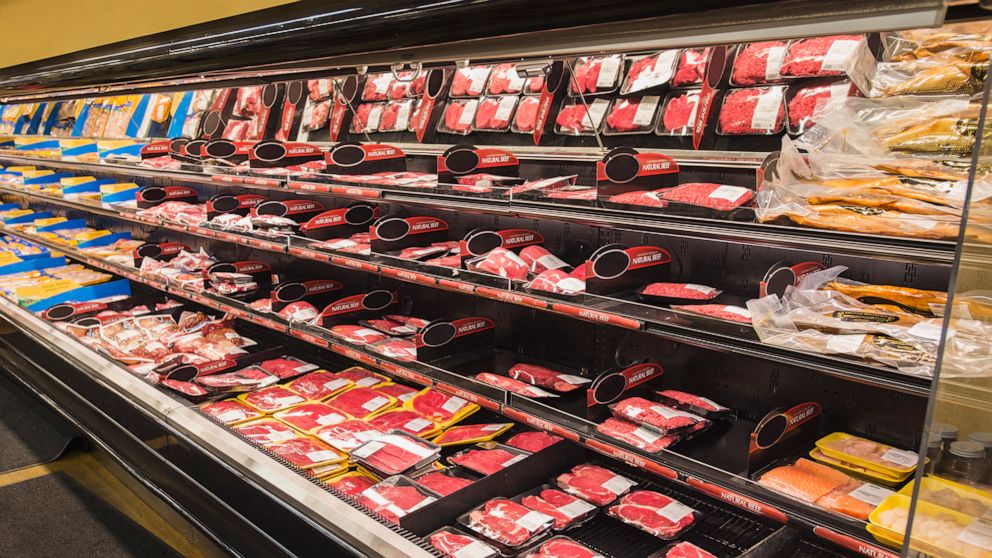
The same global food system that is fueling rising obesity rates is also accelerating climate change, according to a sweeping new scientific review that argues both crises share common roots and solutions.
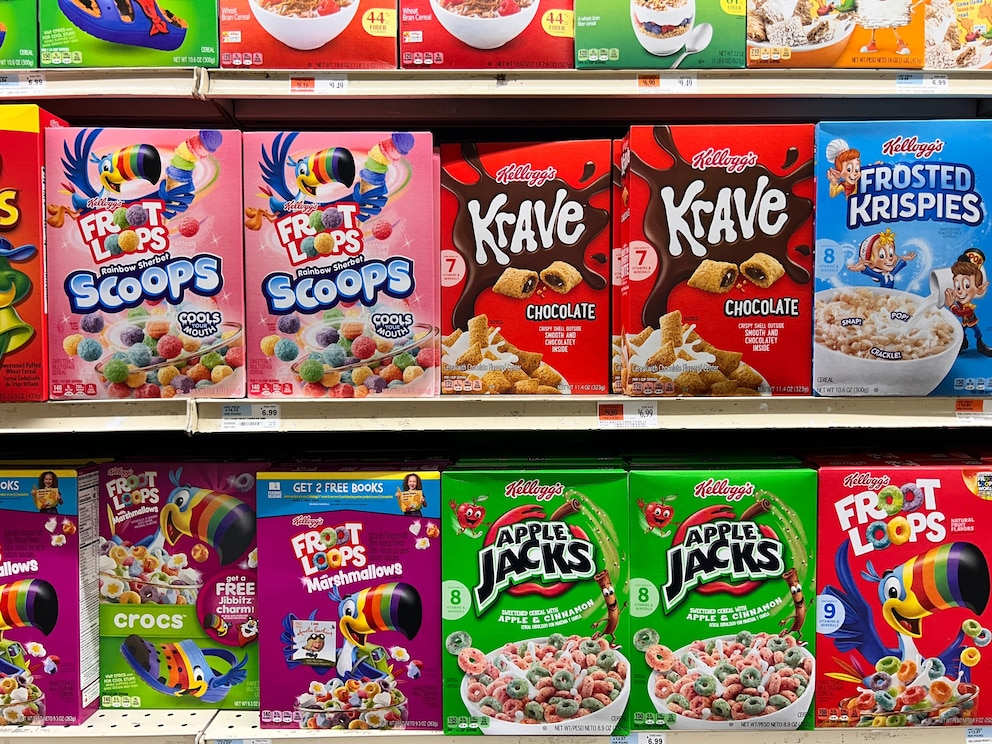
The review, published Thursday in Frontiers in Science, links the rise of ultra-processed foods and beef-heavy diets to worsening health outcomes and growing environmental damage.
More than one billion people are obese, according to the World Health Organization. This number is expected to rise to 1.3 billion by 2030, even as the use of weight-loss drugs and bariatric surgery are reaching record levels.
At the same time, food production accounts for roughly a quarter to a third of global greenhouse gas emissions, according to the report.
"The food system drives both the health and the environmental damage," Paul Behrens, a British Academy global professor at the University of Oxford and lead author of the review, told ABC News.
The review described obesity and climate change as essentially two sides of the same coin. That system is shaped by what foods are widely available, how heavily they are marketed and how inexpensive they are relative to healthier options, Behrens noted.
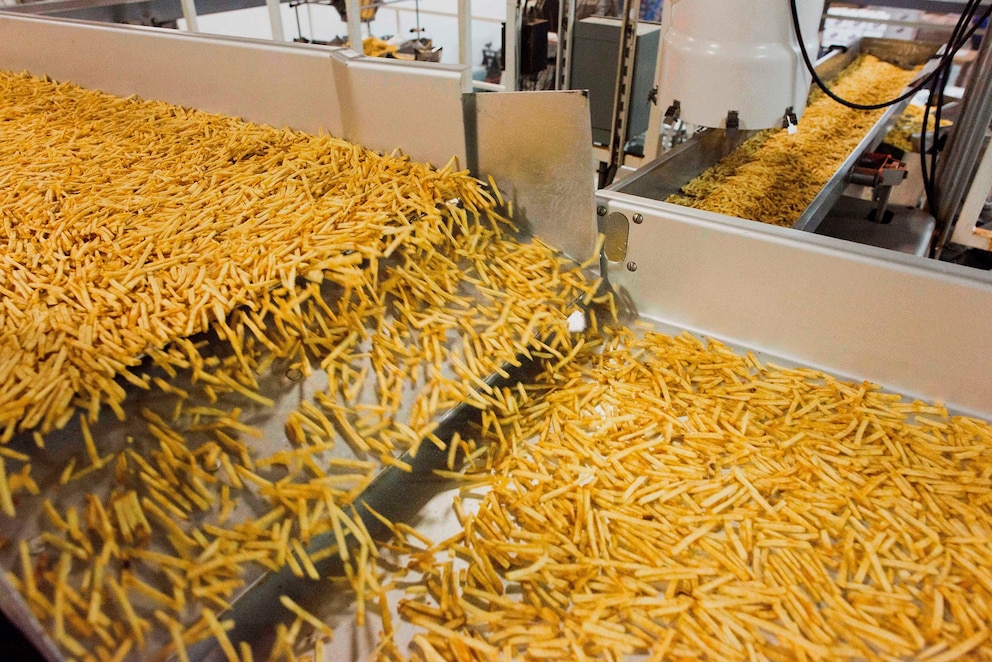
The authors stressed that not all ultra-processed foods are equal. Some heavily processed plant-based foods may be healthier and produce less pollution than unprocessed meat.
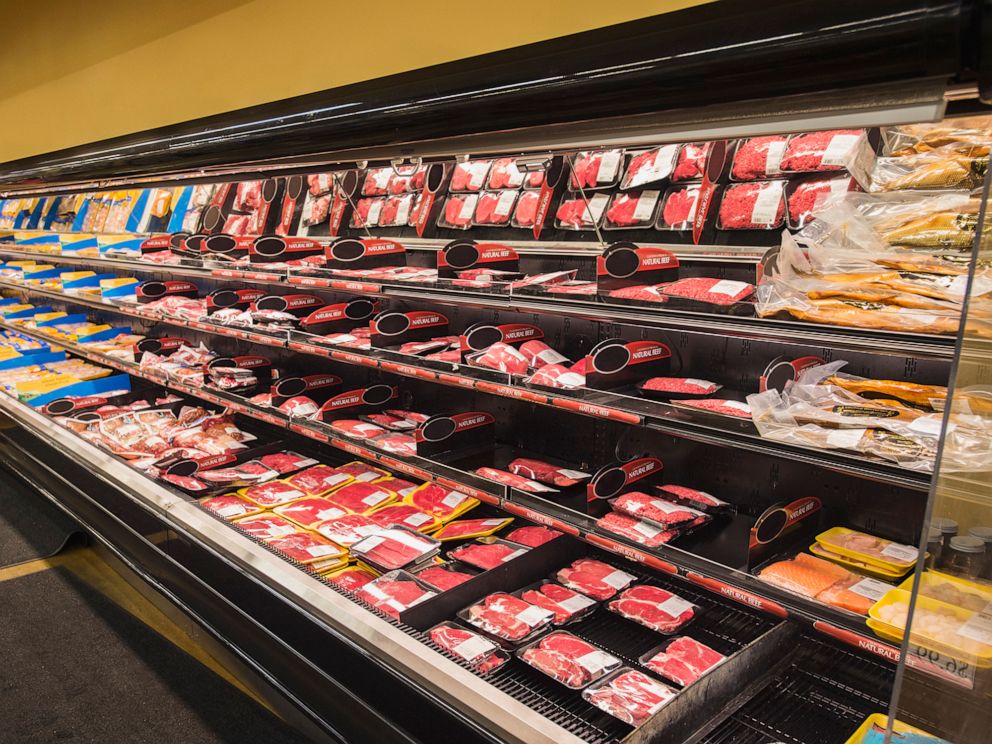
Cattle emit methane, a potent heat-trapping gas, during digestion and livestock farming drives deforestation in vulnerable areas.
While the review acknowledges the importance of weight loss drugs and surgery, the authors argue that they may be treating the symptom of the epidemic rather than the cause.
"These are highly invasive, incredibly expensive solutions to a problem that's actually driven by the food environment and the companies that set up the food environment," Behrens said.
The authors also raise concerns about health disparities, noting that many lower-income communities that rely on cheaper, less healthy food also have limited access to these relatively expensive solutions.
As the review pointed out, policy measures such as taxing sugary products, clear food labeling, restrictions on marketing unhealthy foods to children and shifting subsidies away from the most polluting foods can make a difference.
Behrens cited data from Europe indicating that about 82% of food subsidies support products that are among the most damaging to both health and the environment, including meat and dairy.
In the U.S., he said, consumers spend about $1.1 trillion each year on food, but when health and environmental damages are included, the actual cost rises to more than $3 trillion.
Behrens called for better use of public procurement, where governments buy food for places like schools, hospitals and prisons. Changing what is served in those settings can make healthier options the default while giving farmers reliable demand for more sustainable crops.
While the review emphasizes systemic change, it does not dismiss personal responsibility.
"We shouldn't just rely on [the] individual," he said. "At the same stage, we do vote three times a day, and often we do get choices about what we can eat."
The authors acknowledge that successful strategies may vary across countries. Still, Behrens said lasting progress will require changes to the food system itself.
"We need the system to change, so you have access to delicious, healthy food."
Royson Valliyil, DO, is a critical care fellow at the Cleveland Clinic and a member of the ABC News Medical Unit.