Trying to Solve Autism's Mysteries
Nov. 5, 2008 — -- When Preston Brown was a young child, doctors diagnosed him with autism. Now they say he doesn't have it anymore.
"He's very aware of his surroundings," said his mother, Jamie Brown, who added that the changes in recent months have been drastic and that doctors have dropped his autism diagnosis.
"He communicates, he has favorites, he has opinions, he has humor," she said. "He makes friends, he is learning at warp speed, he's intelligent. He's happy, he's not sick anymore."
Preston's case is among the mysteries that currently surround autism. While publicity for the condition has brought money and researchers into the area, autism has many unanswered or partially answered questions.
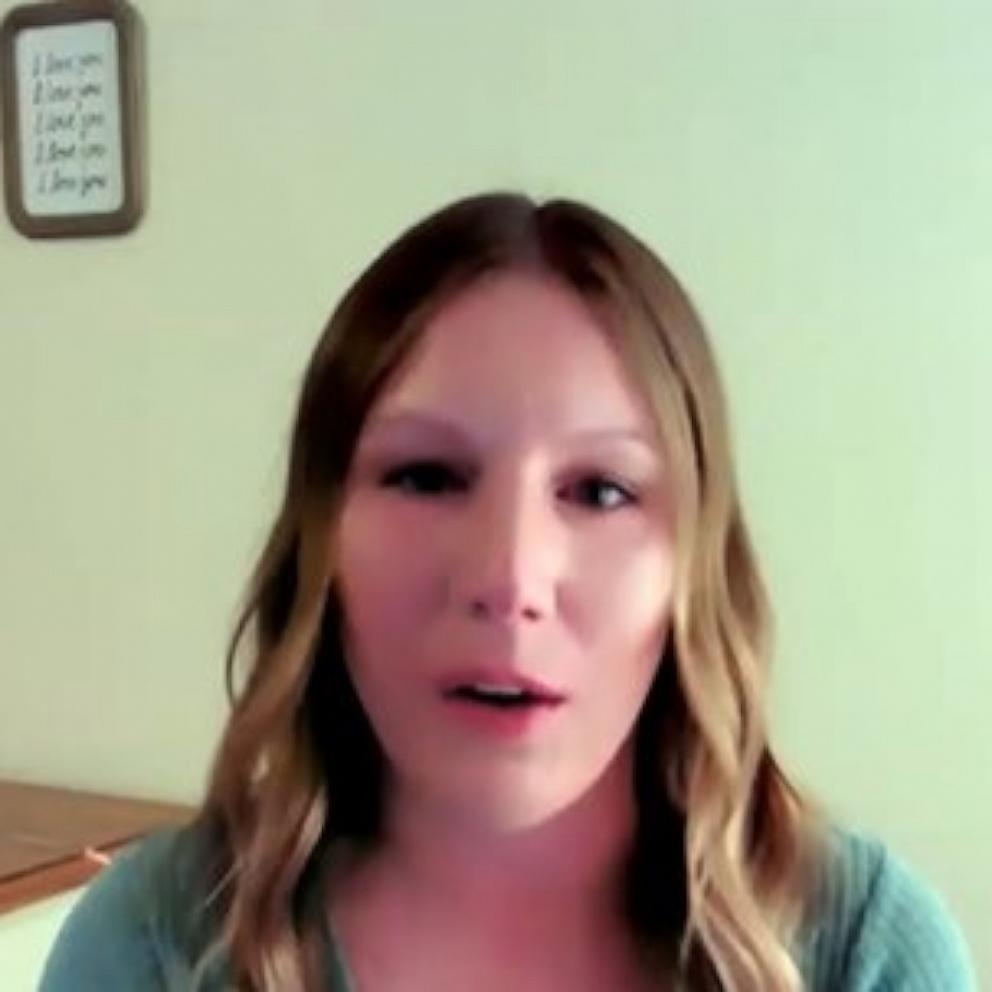
Hear Jamie Brown tell her story.
For example, when autism is considered a lifelong condition, why are some children, like Preston, "cured"? What causes the disease in the first place? And why, in recent years, has the number of children diagnosed with autism climbed so rapidly?
Dr. Dmitriy Niyazov is trying to solve many of those riddles as head of pediatric medical genetics at Ochsner Health Services in New Orleans.
"I want to give [parents] answers," Niyazov said. "I can't give them all answers, but I'd like to give them some of them."
According to Niyazov, the increase in autism diagnoses stems from a combination of overdiagnosis and a desire to label an illness before discovering the cause. However, medicine does not have a clear answer for the increase in autism cases.
Niyazov describes the case of a child who doesn't maintain eye contact and bangs his head; a psychologist will typically diagnose the case as autism and refer the parents to a specialist. But in this case, autism is "not a diagnosis, that's just a description," said Niyazov.
Autism is like many chronic diseases in that the symptoms are similar, but the causes vary. A few genetic diseases can give children autistic symptoms for a period of time, while most other causes of autism lead to the lifelong condition with which most autistic people live.
Click Here to Visit the OnCall+ Autism Center and Get Answers From Top Autism Experts
In other words, a dropped diagnosis is not the same as a cure, and it doesn't happen in most children because the origins of their autism are different.