Extreme Preemies Might Have Higher Autism Risk
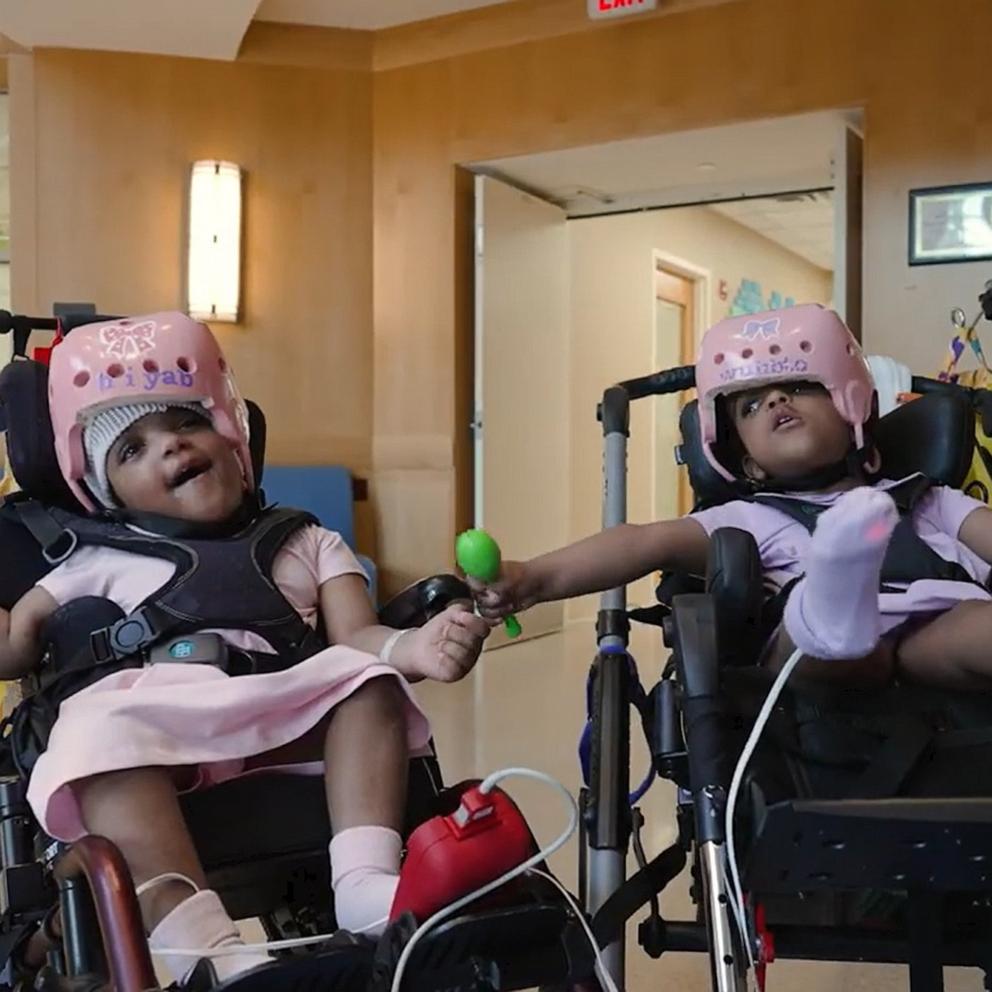
Jan. 29, 2009— -- Among the many serious health risks faced by babies born extremely prematurely, an increased risk of autism may confront moms-to-be, a new study suggests.
Autism is characterized by difficulty with social interaction, problems with all forms of communication and repetitive behaviors or obsessive interests. Depending on where a patient falls on the autism spectrum, the severity of these behaviors can range from mild to disabling.
Using a special questionnaire, researchers from Boston University and Wake Forest University in Winston-Salem in North Carolina found that even among children with no pre-existing impairments, the chances of developing autism were about twice as high in those born three months early compared to children born within the normal range of gestation.
Lead study investigator Dr. Karl Kuban, chief of the Division of Pediatric Neurology at Boston Medical Center, cautioned that the test is not conclusive in determining whether a child will develop autism.
"You have to acknowledge that a positive screen isn't the equivalent of autism," Kuban warned.
In light of this, he added, his findings may also be seen as an indication that the questionnaire is far more prone to a false positive -- in essence, indicating that a child has autism when he or she does not -- than many might believe.
But what the test could do is give medical professionals a heads up when it comes to premature children, cluing them in that they might be at greater risk of being diagnosed with autism later on in life.
"It is increasingly clear that while we have made giant strides in supporting lungs, kidney and other immature organs to maturity, brain development does not do so well outside the womb," said Dr. Shlomo Shinnar, professor of neurology and pediatrics at Montefiore Medical Center in the Bronx, New York.
"Extreme prematurity is associated with an increased risk for a variety of cognitive and behavioral disturbances, so in retrospect we should not be shocked that this is also true for autism."
In the study, the children's parents or care givers answered a questionnaire called the modified checklist for autism in toddlers (M-CHAT) when the toddlers were 2 years old. The M-CHAT checklist is a tool used to screen young children who are at risk for autism.