Ancient lead exposure may have helped humans evolve over Neanderthals, study finds
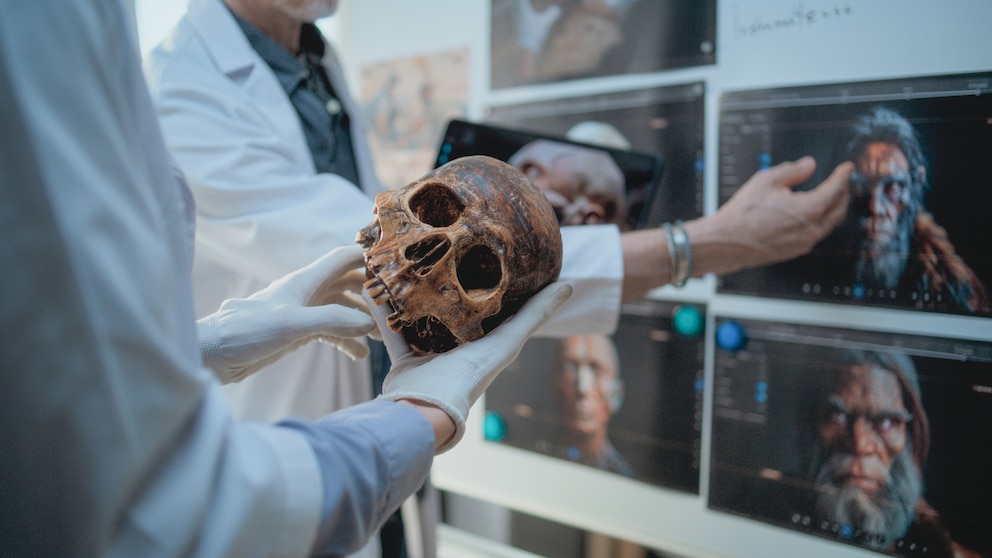

Exposure to lead by ancient humans could have given modern humans a survival advantage over other species – more specifically, their ability to better resist lead's harmful effects, according to a new study.
An international research team analyzed the lead content of 51 fossilized hominid teeth, the most ancient samples of which were around 1.8 million years old, and found that signs of lead exposure were present in 73% of the samples, which included Homo sapiens, Neanderthals and other extinct Homo species, according to the study.
Based on their findings, researchers postulate that Homo sapiens reacted better to lead exposure evolutionarily than Neanderthals, a species that were close relatives to Homo sapiens and that went extinct around 40,000 years ago.
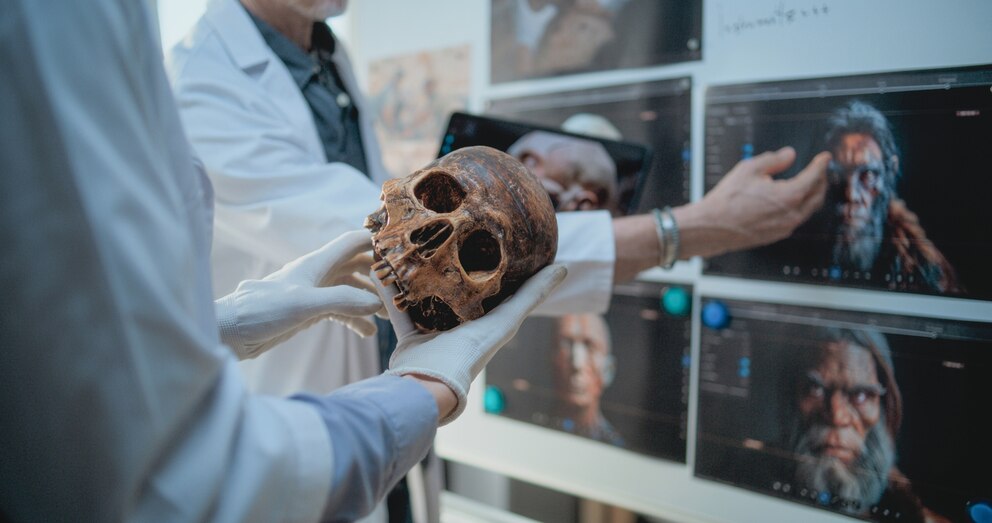
Lead exposure has been linked to a variety of significant health issues in humans, including cardiovascular disease, learning disabilities, and even criminal behavior. Though lead exposure via fossil fuels, lead-based paints and other modern contaminants has been repeatedly demonstrated to be a serious concern, ancient hominids were also exposed to lead, researchers said.
"Environmental processes, such as volcanic emissions, wildfires, erosion, and denudation processes, can lead to further accumulation in small areas or dispersal into the environment, particularly waterways and catchments," according to the study.
Researchers said the brains of Homo sapiens and Neanderthals had a significant difference that appears to have affected how much lead exposure affected them. Both species shared a gene called NOVA1, but different versions of it. Scientists created brain organids – essentially, lab-grown miniature brain analogs created from stem cells – featuring the version of NOVA1 found in modern humans, and versions found in ancient, extinct hominids, including Neanderthals.
The researchers discovered that exposing the ancient versions of NOVA1 to lead disrupted the activity of another gene called FOXP2, "a gene crucial for the development of human speech and language abilities." That in turn may have given Homo sapiens an evolutionary edge over their cousins, according to researchers.
While the researchers acknowledge that their study has limitations, including that "brain organoids are a reductionist model system that do not fully recapitulate the complexity and functionality of a fully developed human brain," the study concludes that "the fossil, cellular, and molecular data support that lead exposure may have contributed to the impact of social and behavioral functioning during evolution, likely affording modern humans a survival advantage."