Artificial sweetener erythritol linked to heart attack and stroke: Study

Zero-calorie sweetener erythritol, widely used in sugar replacement or reduced-sugar products, has been linked to an increased risk of cardiovascular events including heart attacks and strokes for older adults consuming high amounts and already at risk of heart disease, according to a new study published Monday.
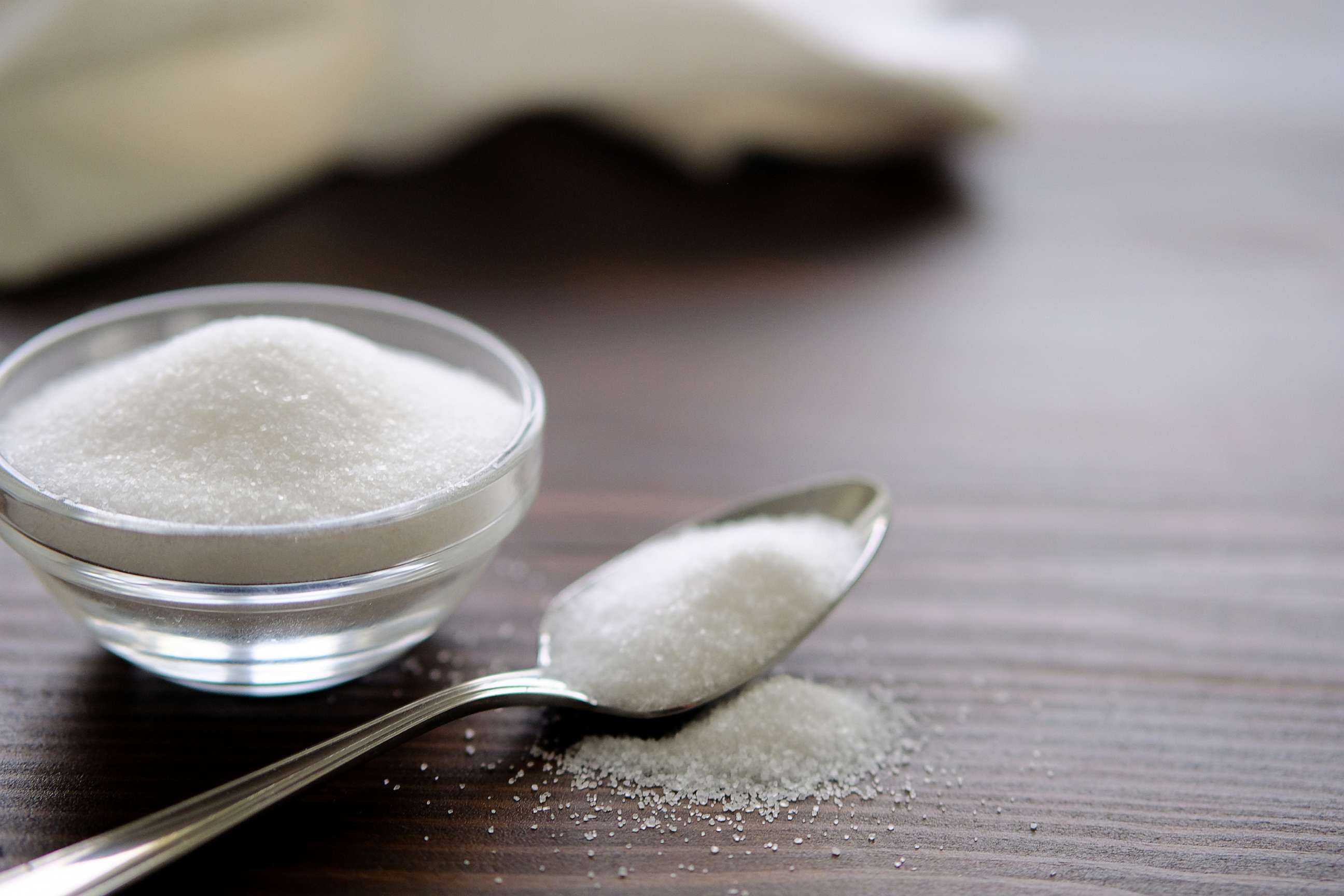
The study first published in Nature Medicine, discovered that higher levels of erythritol were found among patients who experienced a major adverse cardiovascular event, which includes stroke, heart attack, blood clots and cardiovascular death, over three years of observation.
Researchers caution that more research is needed. It’s too early to definitively say that erythritol causes problems for people who consume it regularly, especially as the study’s results may not be generalizable to everyone.
Erythritol is a sugar alcohol that is naturally found in fruits such as watermelons, pears and grapes, but has since been processed as a food additive used to sweeten and enhance the flavor of foods, according to the U.S. Food and Drug Administration (FDA.)
The total U.S. population's daily intake of erythritol has been estimated to reach up to 30 grams per day in some participants, according to data from a National Health and Nutrition Examination Survey filed by the FDA.
Due to a growing obesity epidemic worldwide, artificial sweeteners are becoming increasingly common ingredients found in soft drinks, “diet” foods and other processed products. Although federal regulatory agencies like the FDA have deemed most artificial sweeteners as safe, little is known about the long-term health effects.
Sweeteners without erythritol
The average U.S. adult, teenager and child consumes nearly 17 teaspoons, or 270 calories worth, of added sugar a day, according to a Harvard report.
Dietitian Anna Taylor spoke to the Cleveland Clinic and listed fresh or frozen fruit as the healthiest way to sweeten food or drinks.
Taylor also suggests looking for other sugar substitutes like Stevia-based sweeteners that are herbal as opposed to artificial. However, the study warns that erythritol is often combined with other sugar substitutes to help add bulk to the sweeteners.
Natural sugars like raw honey, maple syrup, agave nectar and raw sugar provide more nutrients than table sugar, including antioxidants, vitamins and prebiotic gut bacteria, but there are often hidden ingredients like high-fructose corn syrup, which has been linked to long-term metabolic complications, according to Taylor.
Overall, the healthiest sweetener to use is no sweetener at all. The American Heart Association recommends drastically lowering added sugar in a daily diet to help slow the risk of obesity and heart disease and to focus on more whole foods like a wide variety of fruits and vegetables.


Taylor suggests breaking the sugar habit by weaning off sweeteners in everyday snacks and foods or substituting sweetened foods for other options.
“That’s true whether it’s in soda, sweet tea, fruit drinks, packs of sugar or sugar substitute for coffee or tea, or artificially sweetened flavor packets for water,” Taylor said to the Cleveland Clinic. “Drink plain water! At the very least, drink unflavored tea, coffee, bubbly water or water with fruit infused in it.”