Avoid preventive pain relievers before getting a COVID vaccine: Experts
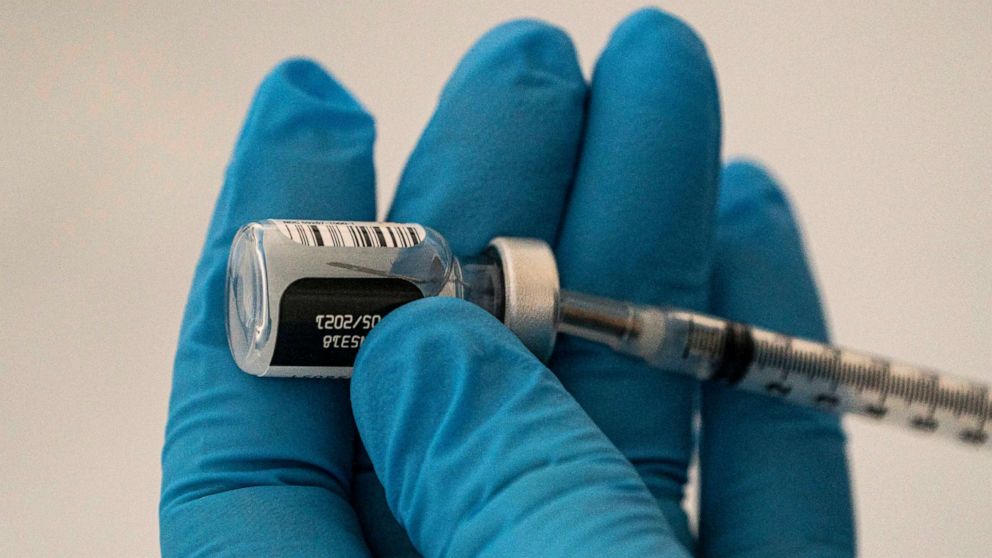
COVID-19 vaccines from Pfizer-BioNTech and Moderna are being offered to an increasing number of people. Vaccine recipients typically experience minimal side effects -- the most common being temporary pain and swelling at the injection site, fevers, chills, tiredness, muscle aches and pains and headaches.
While these side effects are generally a minor nuisance to most people, some attempt to prevent them by taking common over-the-counter pain relievers like acetaminophen (Tylenol) or ibuprofen (e.g., Motrin, Advil) beforehand. However, experts said these medications might not just dull the pain, but they may dull the vaccine from fully working.
“We do not recommend premedication with ibuprofen or Tylenol before COVID-19 vaccines due to the lack of data on how it impacts the vaccine-induced antibody responses,” Dr. Simone Wildes, an infectious disease specialist at South Shore Medical Center and a member of Massachusetts’ COVID-19 Vaccine Advisory Group, told ABC News.
The side effects from the vaccines are caused by activation of the immune system, meaning that the immune system is working and starting to build immunity to COVID-19 -- this is what we want. These pain relievers may prevent parts of the immune system from working and slow down the immune response. There is a theory that taking these medications before immunization may reduce their effectiveness.
A study from Duke University found that children who took pain relievers before getting their childhood vaccines had fewer antibodies than those who did not take the medications, which could mean less protection. However, there were still protective antibody levels, despite the blunting.
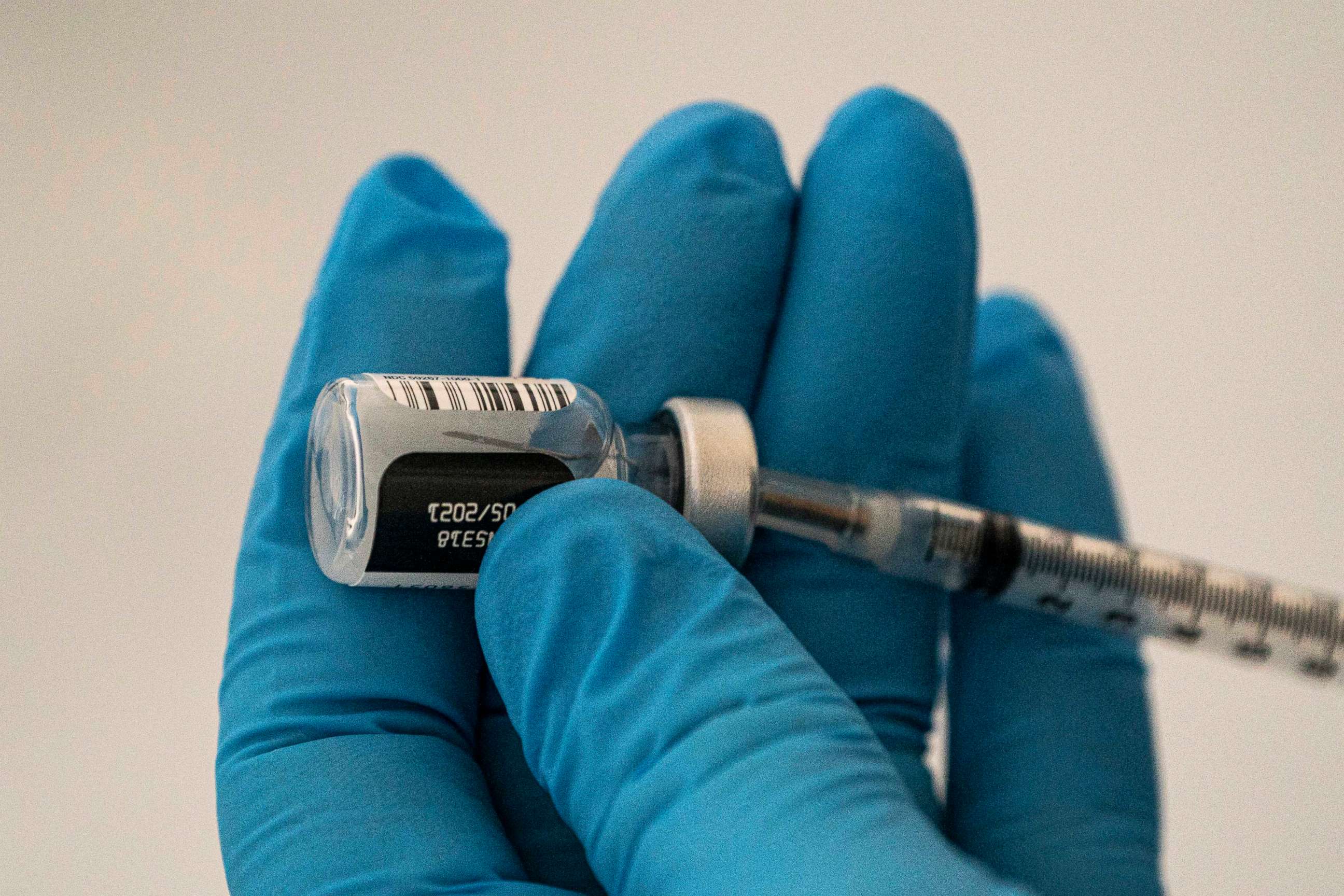
“You always would like an optimal response to your vaccine,” Dr. William Schaffner, an infectious disease specialist and professor of preventative medicine at Vanderbilt University Medical Center, told ABC News. “We are recommending that unless people have a substantial reaction to the first dose that they hold their [pain killers]."
"The vast majority of people have a bit of a sore arm," said Schaffner, "but otherwise, they feel pretty well.”
While experts recommend against taking over-the-counter pain relievers before getting the vaccine, they say you should continue taking them if you are already doing so for another medical condition. Schaffner warned that stopping these medications could cause unintended problems and be more harmful than beneficial.
The Centers for Disease Control and Prevention recommends that after getting your shot, you should monitor for the side effects. As pain relievers and fever reducers are not intended for use before symptoms appear, talk to your doctor before vaccination to decide if you should take any over-the-counter pain relievers after receiving the shot.
Other, more natural ways to reduce pain and discomfort include: applying a clean, cool, wet washcloth over the injection site and moving or exercising your arm. And for a fever, drink plenty of fluids and dress lightly.
“If fever, chills, headaches develop after injection,” use pain relievers to help with your symptoms, but not before they develop and report any significant side effects to a medical professional, Wildes said.
Sean Llewellyn, M.D., Ph.D., is a family medicine resident physician at the University of Colorado and a contributor to the ABC News Medical Unit.
Editor's note: This article has been updated to correct that although ibuprofen is an anti-inflammatory, acetaminophen (Tylenol) is not.