• Video
  • Shop
  • Culture
  • Family
  • Wellness
  • Food
  • Living
  • Style
  • Travel
  • News
  • Book Club
  • Newsletter
  • Privacy Policy
  • Your US State Privacy Rights
  • Children's Online Privacy Policy
  • Interest-Based Ads
  • Terms of Use
  • Do Not Sell My Info
  • Contact Us
  • © 2026 ABC News
  • Wellness

Breath test can save money and catch cancer early
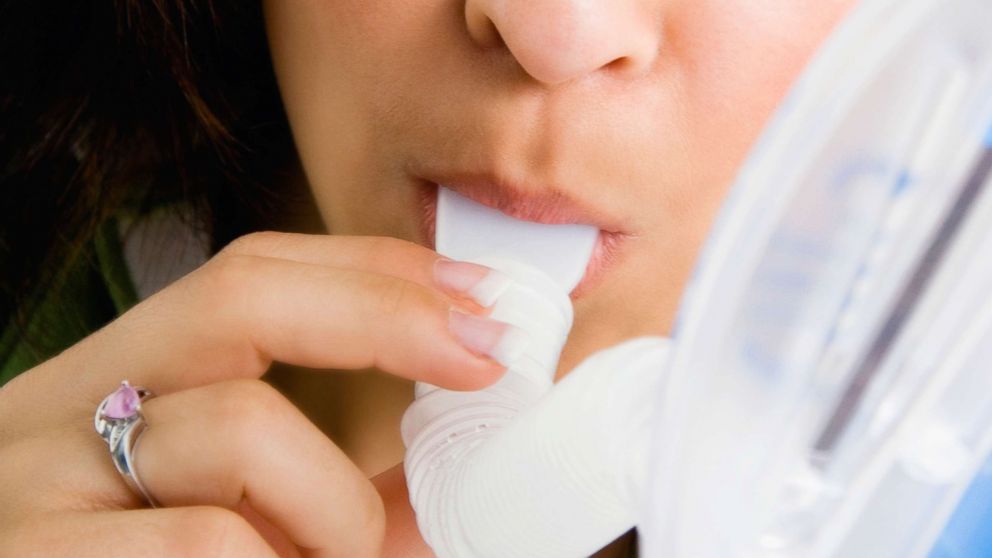
A woman blows into a tube in an undated stock photo.
STOCK PHOTO/Getty Images
ByDr. Chantel Strachan
May 20, 2018, 10:12 AM

The only way to test for symptoms of stomach or esophageal cancer is to undergo an upper endoscopy, a test that can be invasive, cost thousands of dollars and has a small percentage of success in actually finding a tumor.

Researchers in the U.K. wanted a diagnostic tool that would be easier and cheaper to test for these cancers so they used a noninvasive breath test to collect samples of 500cc of exhaled breath from 335 people, 172 of which they knew had those cancers, after a minimum four-hour fast.

The exhaled breath was quickly analyzed for five previously identified volatile organic compounds (VOCs), known to have some association with gastric and esophageal cancers (VOCs happen with other cancers, including lung, bladder, and breast). The researchers were looking for evidence of butyric acid, pentanoic acid, hexanoic acid, butanal and decanal.

The results were published in the journal JAMA Oncology.
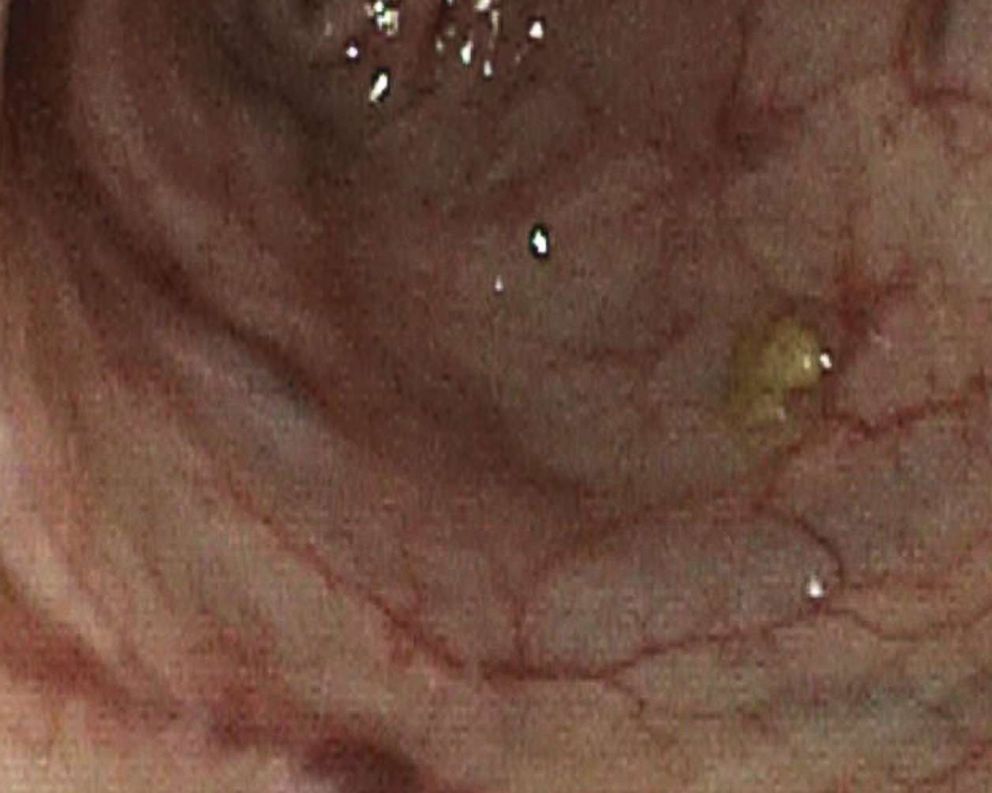
An undated image taken from an upper endoscopy shows esophageal cancer.
Shutterstock

Related Articles

Cancerous melanomas can seem like they're only skin deep

Related Articles

New recommendations for prostate cancer screening

The breath test was able to accurately identify esophageal or gastric cancer about 80 percent of the time.

Dr. Raja Flores, chairman of the Department of Thoracic Surgery at Mount Sinai Health System, told ABC News that endoscopy is underutilized in the U.S. Flores, who was not involved in the U.K. study, noted that the breath test is not the current standard of care.
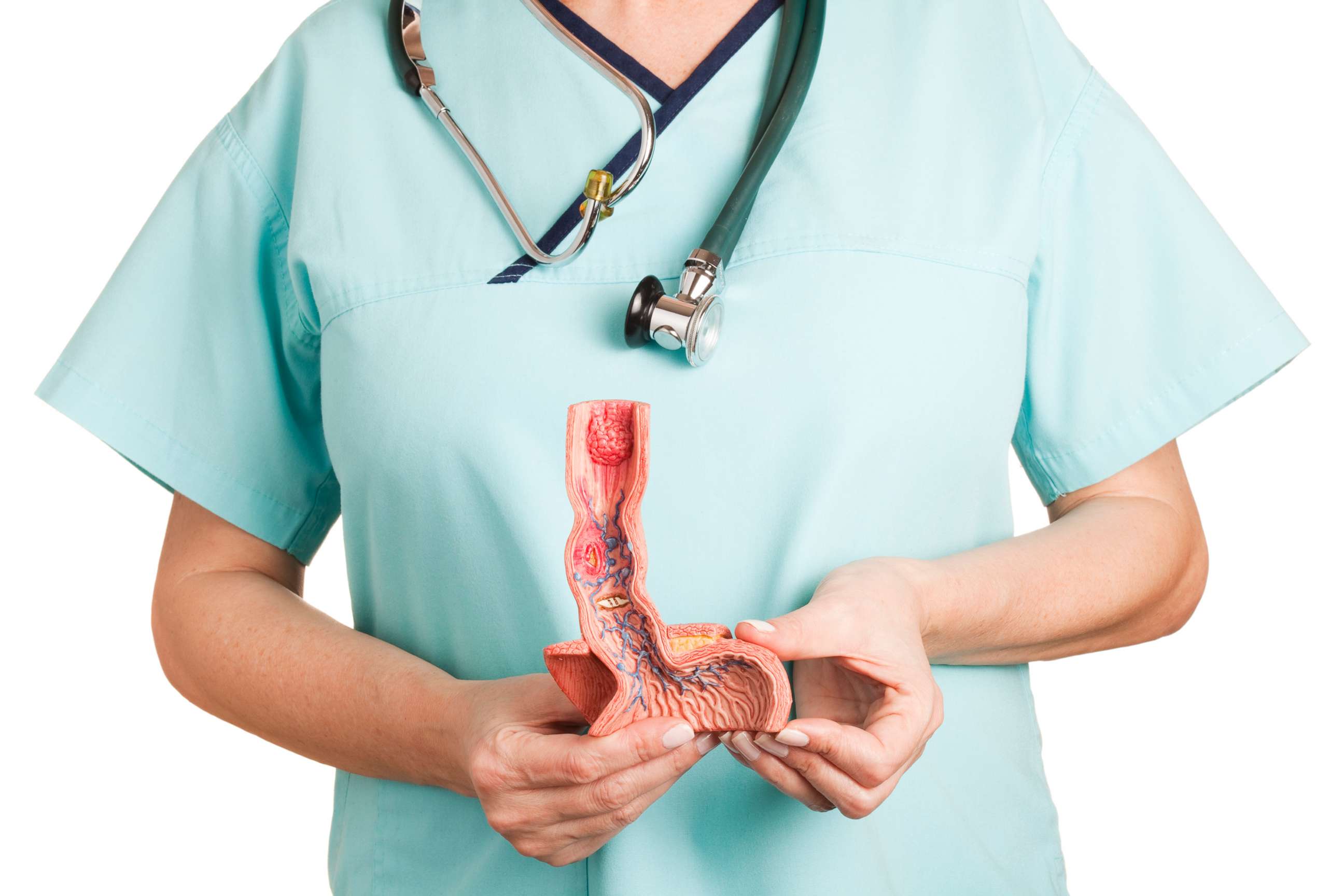
A person holds an anatomical model of a diseased human esophagus.
STOCK PHOTO/Getty Images

If this new diagnostic tool is proven to succeed, many doctors might want to change their approach to patients and how they screen cancer.

Chantel Strachan, MD, is a second-year internal medicine resident from the University of Connecticut working in the ABC News Medical Unit.

Up Next in Wellness—

What to know about viral menopause treatment trend, according to a doctor

April 28, 2026

9-year-old with rare disease spreads joy with viral videos

April 27, 2026

Adolescent and young adult cancers increase risk of developing future cancers

April 13, 2026

Teen with kidney disease finds donor living minutes away

April 10, 2026

Shop GMA Favorites

ABC will receive a commission for purchases made through these links.

Sponsored Content by Taboola

The latest lifestyle and entertainment news and inspiration for how to live your best life - all from Good Morning America.
  • Contests
  • Terms of Use
  • Privacy Policy
  • Do Not Sell My Info
  • Children’s Online Privacy Policy
  • Advertise with us
  • Your US State Privacy Rights
  • Interest-Based Ads
  • About Nielsen Measurement
  • Press
  • Feedback
  • Shop FAQs
  • ABC News
  • ABC
  • All Videos
  • All Topics
  • Sitemap

© 2026 ABC News
  • Privacy Policy— 
  • Your US State Privacy Rights— 
  • Children's Online Privacy Policy— 
  • Interest-Based Ads— 
  • Terms of Use— 
  • Do Not Sell My Info— 
  • Contact Us— 

© 2026 ABC News