Cancerous melanomas can seem like they're only skin deep
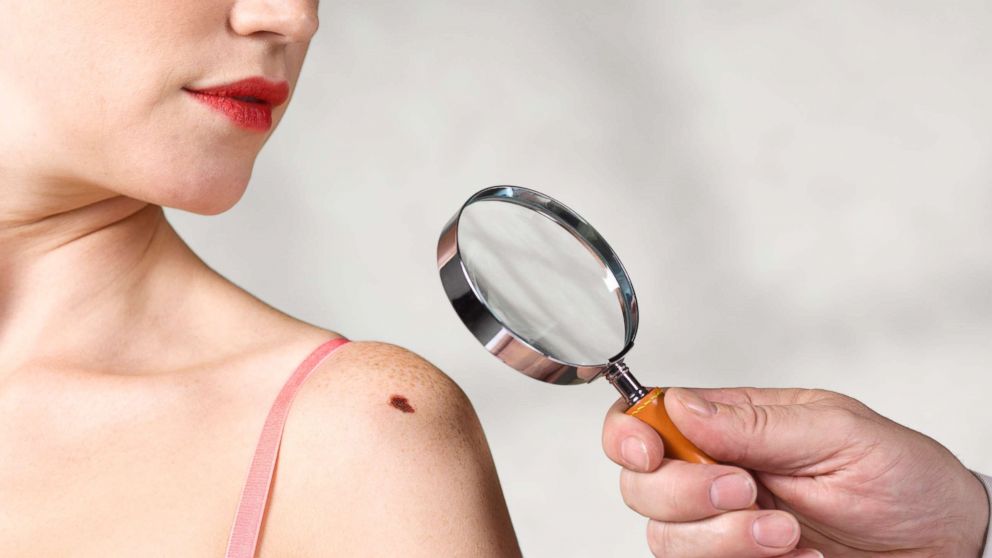
Beautiful dresses, swimwear, beaches and sunshine all the things most people look forward to as the weather warms up. But those increased temperatures should also be a reminder: more exposure to the sun increases the risk of melanoma, or skin cancer.
Melanoma is one of the most common cancers affecting men and women in the United States and the most dangerous skin cancer. Technically, it is a cancerous growth of the skin that results from the overproduction of the cells that produce melanin, which colors the skin.
There are other non-melanoma skin cancers, basal cell carcinoma and squamous cell carcinoma, that are easily dealt with and not so dangerous.
But melanoma comes with a very high risk of spreading -- or metastasis -- throughout the bloodstream or lymphatic system and to other parts of the body. Yes, a growing mole that might not be that noticeable could turn into a cancer that will take over the organs.
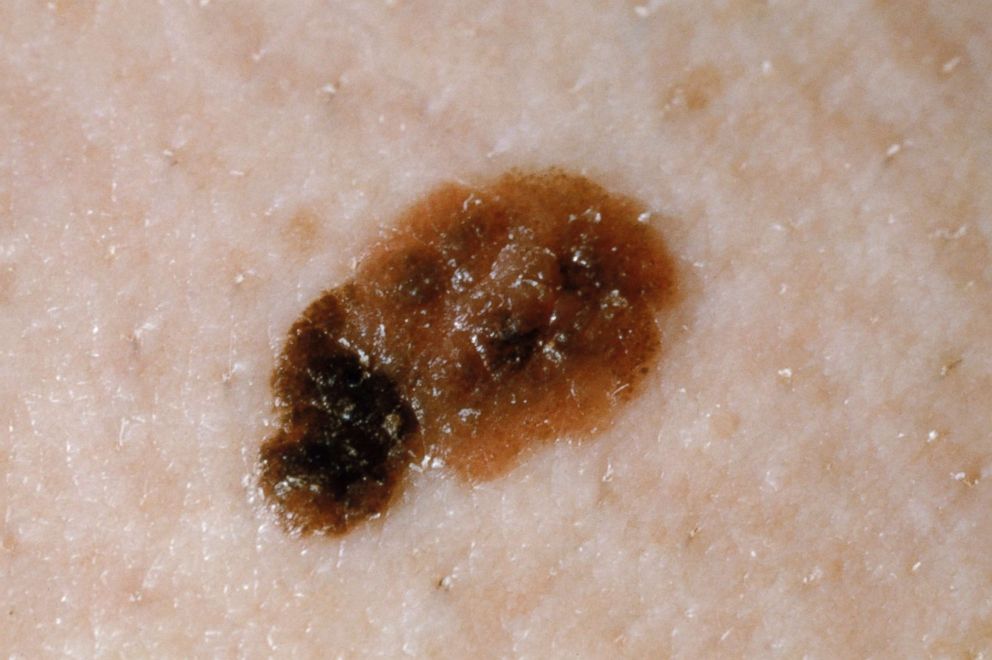
Anyone can be affected by melanoma, regardless of age, gender, race or geographic location. Those typically at highest risk for melanoma include people with fair skin, light colored eyes, red or blonde hair, a history of sunburns, a family history of skin cancer or those who just have a lot of moles on their skin.
Increased exposure to UV light, either natural sunlight or light from tanning beds, increases the risk.
Moles do not necessarily mean cancer is inevitable. However, the more moles a person has, the greater the risk for developing cancer -- but it's hard to predict exactly who will develop melanoma.
Some signs to watch that could signal melanoma include: When a mole changes in size, shape or color –- or when a previously stable mole shows big changes. People who notice these signs should tell their primary care physicians or dermatologists so they can receive appropriate and timely evaluations.
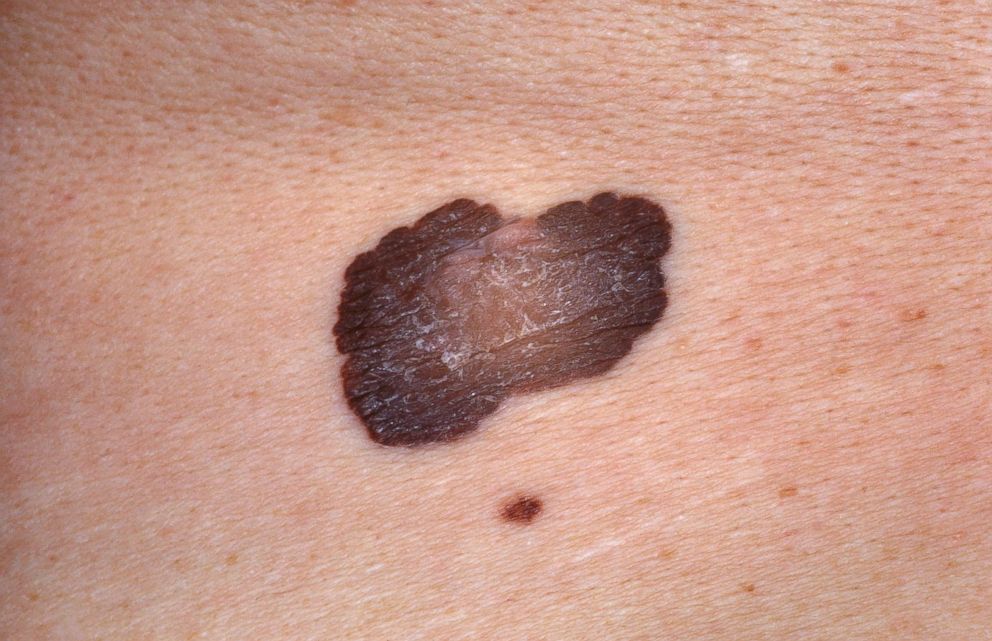
For people who have more than 50 moles or have a family history of skin cancer, it’s a good idea to follow up with a dermatologist. Let a pro perform yearly skin assessments to ensure moles have no cancerous changes.
Testing for melanoma will typically involve a biopsy of the affected area to confirm a diagnosis, which can be performed in the office. Follow-up will then be determined based on the results.
There are many ways to protect skin on a day-to-day basis.
The American Academy of Dermatology recommends that wearing daily broad spectrum sunscreen with an SPF of at least 30, preferably with water resistance. This should be applied to the skin 15 minutes prior to any sun exposure. Yes, put it on every day, even on cloudy days, since the dangerous UV rays come right through the clouds.
Other helpful tips for prevention:
Chantel Strachan, M.D., works in the ABC News Medical Unit.