Men without private health insurance less likely to catch breast cancer early, get treatment, report finds

Men who lack private health insurance are more likely to face worse outcomes when diagnosed with breast cancer, according to a new report released Tuesday by the American Cancer Society.
The report, released during Breast Cancer Awareness Month, found that men who lacked private health insurance were less likely to be diagnosed with breast cancer in its earliest stages and were more likely to face delays in starting their treatment.
Race and income were also found to play a role, with men living in higher poverty areas and those identifying as non-Hispanic Black or Hispanic also facing later-stage diagnosis as well as delayed treatment and worse survival outcomes.
The report looked at men ages 18 and older diagnosed with breast cancer between 2004 and 2023 in the United States.
The data also showed positive news, with five-year survival rates for men with breast cancer increasing from 75% to nearly 78%.
And over the last two decades, three out of four men were diagnosed before their cancer reached an advanced stage, according to the report.
In the U.S., around one out of every 100 breast cancer diagnoses is found in a man, according to the Centers for Disease Control and Prevention.
Like a woman, a man's risk of breast cancer is increased if he has either the BRCA1 or BRCA2 genes.
Other risk factors for breast cancer in men include being over the age of 50, a family history of breast cancer, obesity, exposure to hormone and radiation therapy treatments, liver disease and certain conditions that affect the testicles, according to the CDC.
The symptoms of breast cancer in men include abnormalities around the breast area, including a lump or swelling, redness or flaky skin, nipple discharge and pain in the nipple area, according to the CDC.
There are currently no routine screening recommendations for breast cancer screening in men. However, if noted to have one of the symptoms above, men are encouraged to speak to their physician.
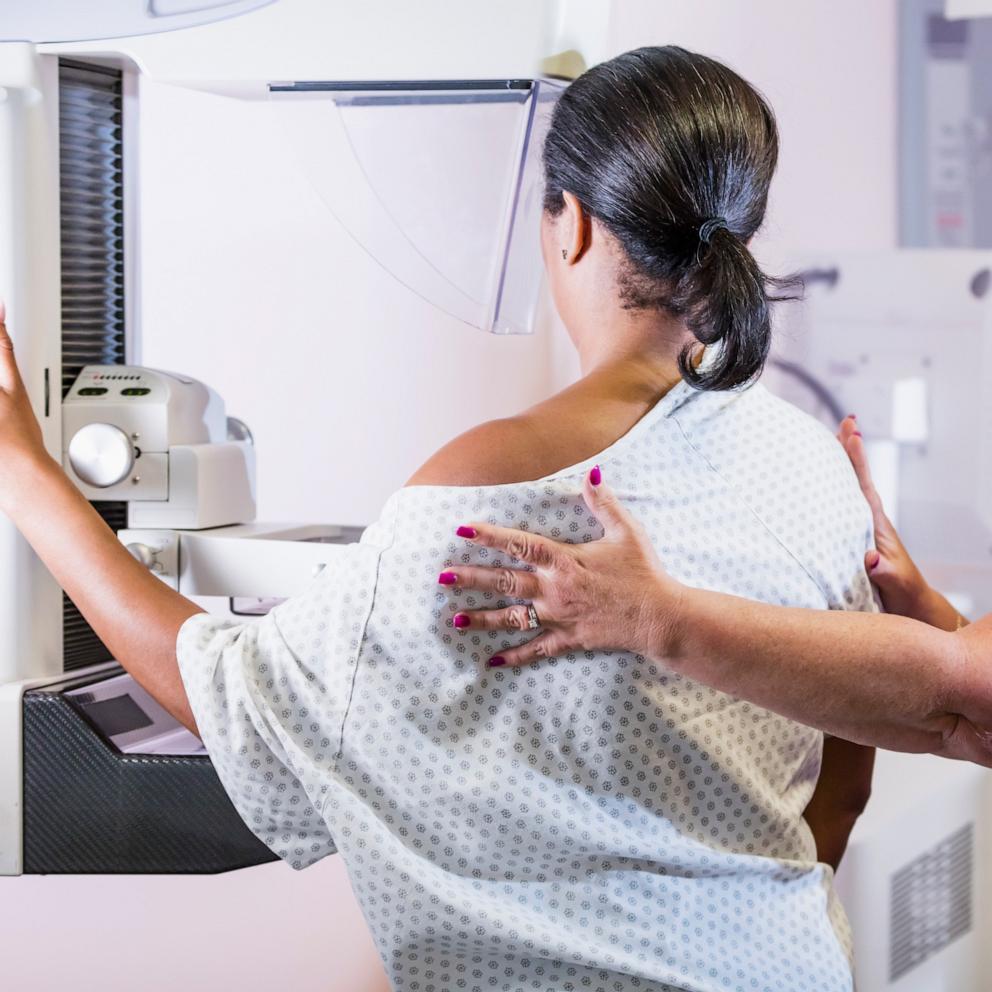
For women, the U.S. Preventive Services Task Force recommends that those between ages 40 and 74 who are at average risk for breast cancer get a mammogram every two years.