Cellphones in classrooms contribute to failing grades: Study
Cellphones and laptops can be distracting for students in classrooms, and new research also shows that using electronic devices can even lower students’ grades.
Scientists who studied the effects of divided attention in people know that when attention is divided between two tasks, fewer items regarding those tasks may be recalled later -- a concept called “retention” in psychology.
Additional research on electronic devices shows that smart phones can reduce the ability to think to a person’s full potential, and additional research from Stanford University reveals that intense multitasking decreases the efficiency of completing a given task.
While previous studies demonstrated that divided attention may induce poor performance on exams, two researchers from Rutgers University sought to dive deeper.
Dr. Arnold Glass, the lead researcher for the study and a professor of psychology at Rutgers University, told ABC News that he's long been intrigued by the notion of technology-enhanced classrooms.
"I was always interested in using technology in the classroom before it existed, but when it became apparent that it was affecting the classroom, it raised the question [of] what effect this was having,” he said.
In a study published in the journal Educational Psychology, the two researchers divided 118 upper-level college students into two groups -- each enrolled in the same course, taught the same material by the same instructor, in the same classroom at roughly the same time of day.
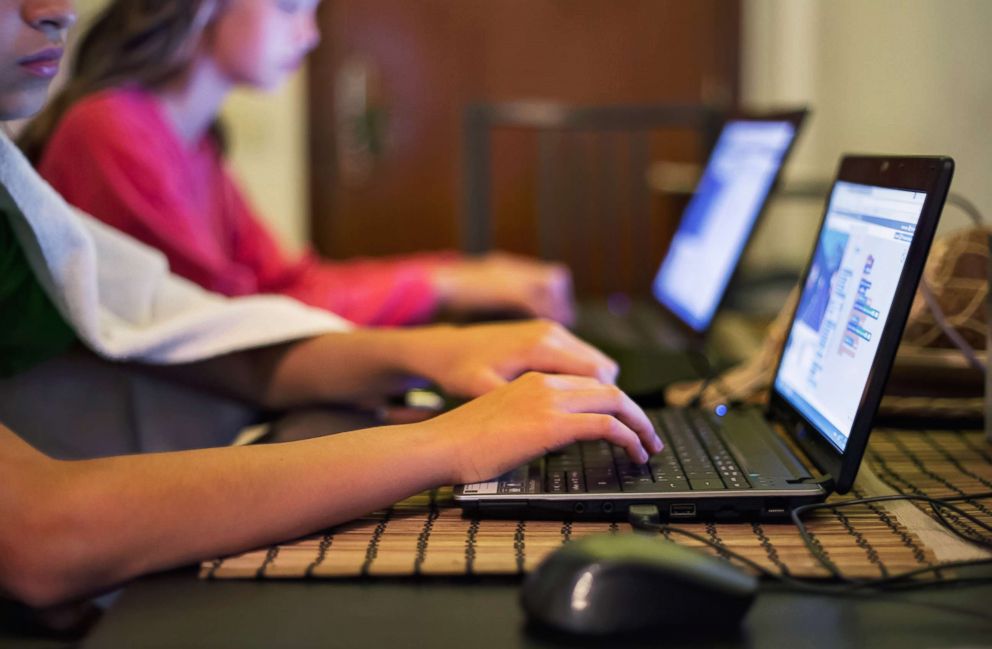
The difference? One group was allowed to have laptops and cell phones open for non-classroom purposes, and the other group wasn't.
The group using devices scored about a half a letter grade lower on exams -- the difference between passing or failing for some students. Of note, students who didn’t use a device but were in the same classroom with those who did also scored lower. This was likely due to distraction from surrounding devices.
The researchers noted that this study shows the minimum reduction in exam performance, because this particular course used in-class questions to help students remember course material instead of just passive listening.
So it’s possible that students could do even worse in other courses, depending on how the class is taught and whether they're using electronic devices for non-classroom purposes.
Is this research applicable to high school, middle school or even meetings?
“No doubt,” Glass told ABC News. “Absolutely for sure.”
“These findings," he added, "should alert the many dedicated students and instructors that dividing attention is having an insidious effect that is impairing their exam performance and final grade."
Given the effects electronics have on students who were in the classroom but not using the devices themselves, Glass said in a press release that teacher need to "... explain to students the damaging effect of distractions on retention -- not only for themselves, but for the whole class."
Dr. Kevin Riutzel is a family medicine resident physician based out of Irvine, California and a resident in the ABC News Medical Unit.