Cervical cancer deaths 49% higher for women living in poverty: Report

Cervical cancer deaths are 49% higher for women living in poverty, a major report released on Thursday finds.
Women living in poverty were also 23% more likely to develop cervical cancer compared to those living in higher-income areas, according to the report from the American Association of Cancer Research (AACR).
"The disparities in this situation arise from an access to care issue," Dr. Paul DiSilvestro, division director of gynecologic oncology at Women and Infants Hospital in Providence, Rhode Island, who was not involved in the report, told ABC News.
"I think we often don't understand the pressure on women as it relates to screening. Sometimes you have to make a choice between going to work, caring for your children, putting food on the table and getting a screening test," he added.
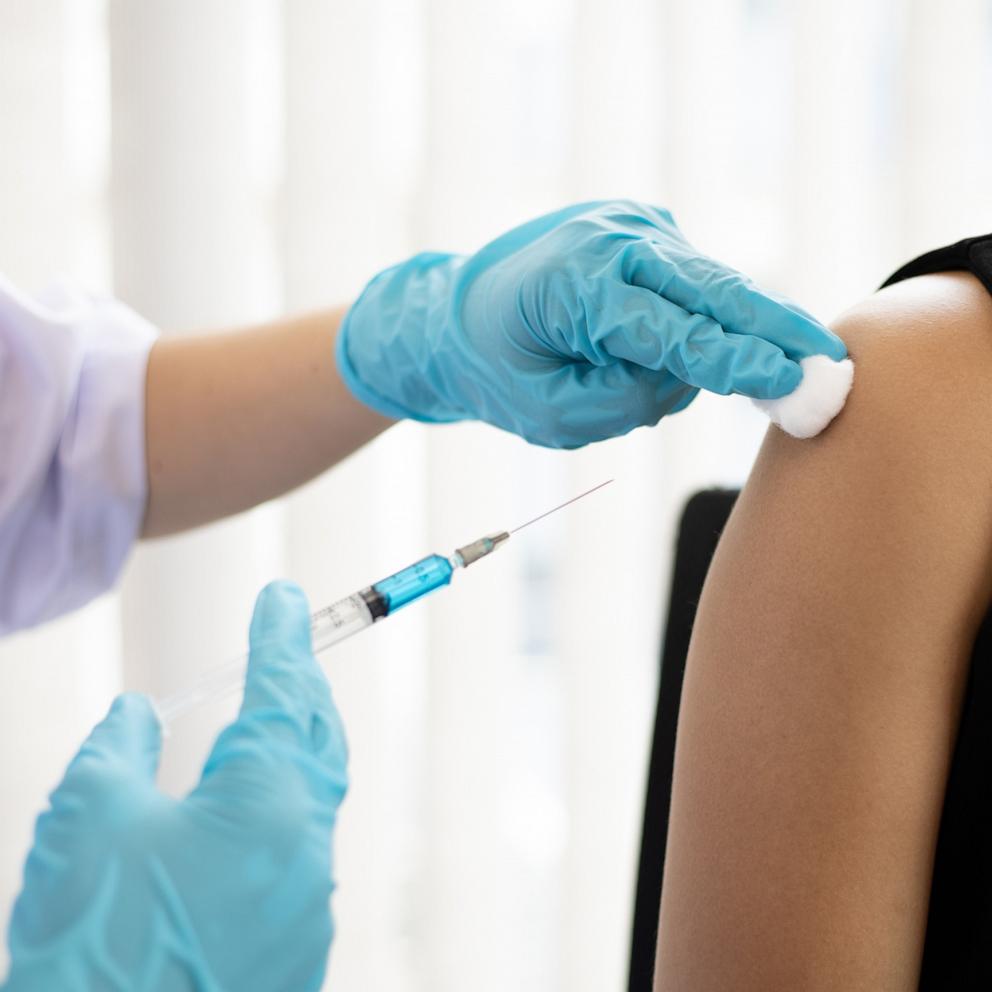
Cervical cancer is typically caused by a virus called human papillomavirus (HPV). The disease is now largely preventable thanks to the introduction of the HPV vaccine nearly two decades ago. Studies show the vaccine has drastically reduced mortality rates from cervical cancer.
If cervical cancer is caught early, it is usually easier to treat, according to the National Cancer Institute. However, not all women are able to get vaccinated as a teenager or get regular screenings in adulthood.

Some public health specialists say that new data suggests stark racial disparities appear to be easing, although there is still a long way to go.
In 2000, Hispanic women were 70% more likely to die of cervical cancer compared to white women, according to the AACR report. By 2024, Hispanic women were 10% more likely to die of cervical cancer, the report found.
Efforts and strategies to decrease these disparity gaps have been in effect nationally. The AACR reports that cervical screening increased by 62% after incorporation of patient navigation services.
A study in the AACR summary combined data from 20 trials done across the country, which included information about services including transportation assistance, interpreter services, home visits, patient education, scheduling assistance and individualized financial support.
It found that lay Hispanic/Latino community members who receive specialized training to provide basic health education in the community, known as promotoras, played key roles -- alongside social workers, telephone counselors and social workers -- in delivering these services.
Policy changes, such as Medicaid expansion, have also produced measurable increases in screening uptake among previously uninsured populations, according to the study.
Despite these efforts, patients living in poorer counties are still experiencing worse outcomes, DiSilvestro said.
"We need to do a better job of delivering the screening to the community as opposed to expecting the community to present itself to us for the screening," he said.
The Centers for Disease Control (CDC) recommends two doses of the HPV vaccine at age 11 or 12, a shot that has proven to prevent up to 90% of cervical cancer cases.
The CDC also recommends that screening pap smears start at age 21. Pap smears look for cell changes on the cervix that could develop into cervical cancer.
"I think we can't forget that in this situation, cervical cancer screening works," DiSilvestro said. "But it only works if we can provide it to the people."
Areta Bojko, MD is a board-certified OBGYN and gynecologic oncology fellow at Women and Infants Hospital and a member of the ABC News Medical Unit.