1 dead of West Nile virus, 2 cases confirmed: Chicago health officials
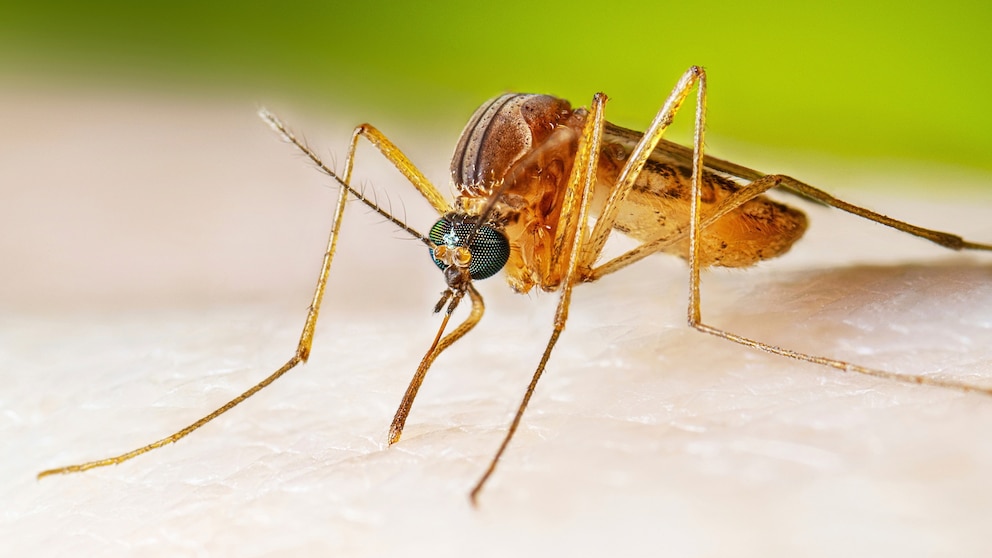
One person has died of West Nile virus in Chicago, as city health officials said on Tuesday they have confirmed two human cases of the virus.
This is the first reported West Nile virus death in the city this year.
No identifying information from the Chicago Department of Public Health (CDPH) was available about the patient who died.
Dr. Garth Walker, commissioner of the CDPH, said this summer has been one of the rainiest in Chicago in years, which has given mosquitoes "ample opportunities to breed."
"The best way to protect yourself from West Nile virus is to avoid mosquito bites and take measures to stop them from breeding around your home," Walker said in a statement.
As of Tuesday, the Centers for Disease Control has recorded 407 cases across 40 states, including 285 cases affecting the nervous system.
The CDC says that more than 130 people die of West Nile very year.
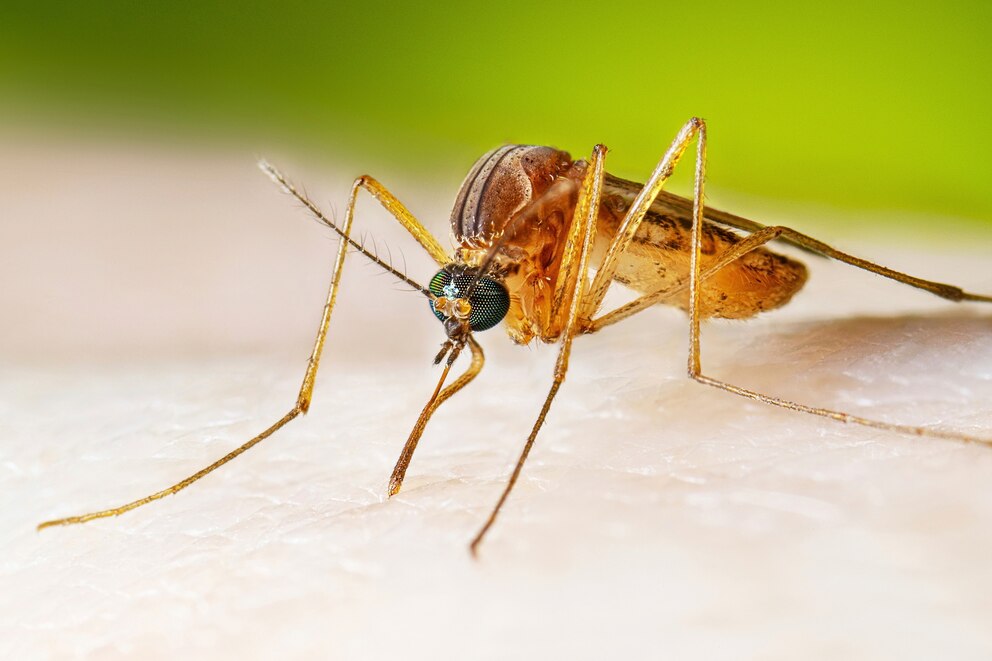
Last week, the Illinois Department of Public Health (IDPH) confirmed the first human case of West Nile virus in the state in Piatt County, which is in central Illinois, and three other probable human cases in northern Illinois.
"The year's first death in Illinois related to West Nile virus is a sobering reminder to take mosquito-borne illness seriously," IDPH Director Dr. Sameer Vohra said in a statement. "While most people won't experience serious symptoms, West Nile virus can lead to severe illness in high-risk groups such as older adults, individuals with chronic medical conditions, and immunocompromised persons."
As of Tuesday, the Centers for Disease Control has recorded 407 cases across 40 states, including 285 cases affecting the nervous system.
CDPH said it has treated more than 80,000 catch basins in Chicago with larvicide to kill not-yet-mature mosquitoes and spraying in specific geographic areas to kill adult mosquitoes if needed. The department added that is has sprayed insecticide in 15 different community areas over the last several weeks.
West Nile virus is the leading cause of mosquito-borne disease in the continental U.S., according to the Centers for Disease Control and Prevention.
Cases of the virus usually occur during mosquito season, which starts in the summer and continues through fall, according to the CDC.
Mosquitoes typically become infected with the virus after feeding on infected birds and then spread it to humans and other animals, the federal health agency said.
The majority of patients don't have symptoms, but about one in five will experience symptoms two to six days after being bitten including fever, headaches, body aches, joint pain, diarrhea, vomiting or a rash.
Most symptoms disappear, but weakness and fatigue may last for weeks or months. No medications are available to treat West Nile. Those with mild illness can often manage symptoms with rest, staying hydrated and taking over-the-counter medications -- such as acetaminophen -- for fever, pain and headaches, according to the CDC.
About one in 150 patients will develop severe disease leading to encephalitis, which is inflammation of the brain, or meningitis, which is inflammation of the membranes that surround the brain and spinal cord -- both of which can lead to death, the CDC says.
Each year, about 2,000 people in the U.S. are diagnosed with West Nile virus, but the CDC says this is likely an underestimate because most people either don't develop symptoms or believe their mild symptoms were caused by another illness.
More than 1,300 people develop severe illness affecting the central nervous system, the CDC says.
There are no licensed vaccines or medications that protect against the virus. The CDC recommends using insect repellant, wearing long-sleeved shirts and pants, treating clothing and gear and taking steps to control mosquitoes. This last step includes putting screens on windows and doors, using air conditioning and emptying out containers with still water.
This is a developing story. Please check back for updates.