Child Vaccinations Make Most Parents Uneasy, Federal Study Concludes
June 9, 2011 — -- Young mom Jennifer Ostayan "couldn't even look" when her newborn daughter Taline got her first round of vaccinations.
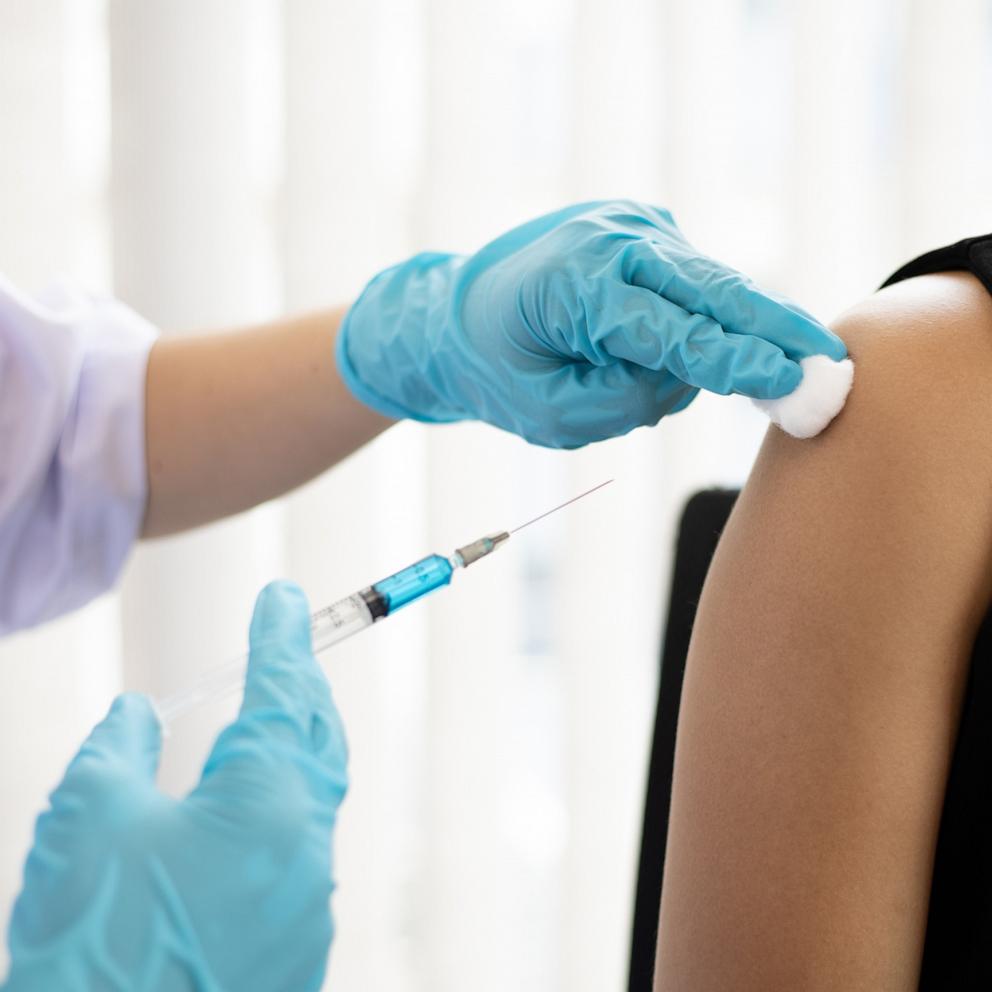
Ostayan, 26, of Watertown, Mass., worried that Taline, who was only a couple of months old, would be hurt by the shot. It didn't help that Ostayan herself hates getting jabbed.
"I had to have my husband hold her," Ostayan said, fearing that the shot may be too painful and bruise her daughter. "She was so happy when we carried her in, but I just thought you have no idea what you're in for."
Ostayan is not the only one uneasy. Nearly 80 percent of parents are uncomfortable about having their children vaccinated, according to a survey analyzed by researchers at the U.S. Centers for Disease Control and Prevention and the U.S. Department of Health and Human Services National Vaccine Program Office.
While many of them are simply queasy about the needle, their concerns include doubts about the safety of vaccines, the number of vaccines their children receive, and the persistent messages of the worries that the vaccines are to blamed for learning disabilities like autism, the study said.
The physical pain of getting the shot is the most common concern many parents, cited by 38 percent in the survey, when it comes to vaccines. And 36 percent worried that their children were getting too many vaccines in a single visit, while 34 percent fret they are getting too many shots in the first two years.
Concerns of resultant fevers from the vaccines were mentioned by 32 percent, and the fear that the vaccines could cause learning disabilities like autism remains among 30 percent. Others, 26 percent, have a general worry that the ingredients in the vaccines are unsafe, the survey found.
The survey consisted of 376 households.
Survey Finds Most U.S. Households Are Uneasy About Vaccinations
Despite their concerns, at least 95 percent of parents have their children vaccinated while only 5 percent skip some of the vaccines. Only 2 percent say they would avoid vaccines altogether.
Parental uncertainty over vaccinations means there is a continuing need for reassurance and education about the necessity of getting kids immunizied, the CDC said.
"It can be taken as reassuring that they're getting the answers they need to actually get the vaccine," said Glen Nowak, senior adviser of the CDC's National Center for Immunization and Respiratory Diseases, and co-author of the report.
The survey results indicate that many parents see the value of vaccines, but are looking for more information from their child's pediatricians, said Nowak.
An increasing number of parents are finding information on vaccines on the Internet, according to the survey.
Ostayan, a special education teacher, said she never thought twice about whether Taline should get vaccinated. She was not concerned about the chemical safety or whether it could be linked to autism. But she did wonder whether Taline would get a fever from some of the shots.
While many parents intend to vaccinate their child, conflicting messages on vaccine safety online can often leave many parents confused, said Dr. John Dorsey, a pediatrician with Beaumont Health System in Royal Oak, Mich.
Many reputable sources on the Internet contain consistent information on vaccines that can be helpful, said Allison Kennedy, an epidemiologist at the CDC's National Center for Immunization and Respiratory Diseases, and lead author of the report.
"The more channels parents use the better, but physicians should really be the number one source," said Kennedy. "We think the conversations are helpful."
But the way pediatricians communicate with parents who have questions largely determines whether the parent is comfortable in their decision to vaccinate, said Dorsey.