How COVID-19 booster shots could help in global fight against the virus
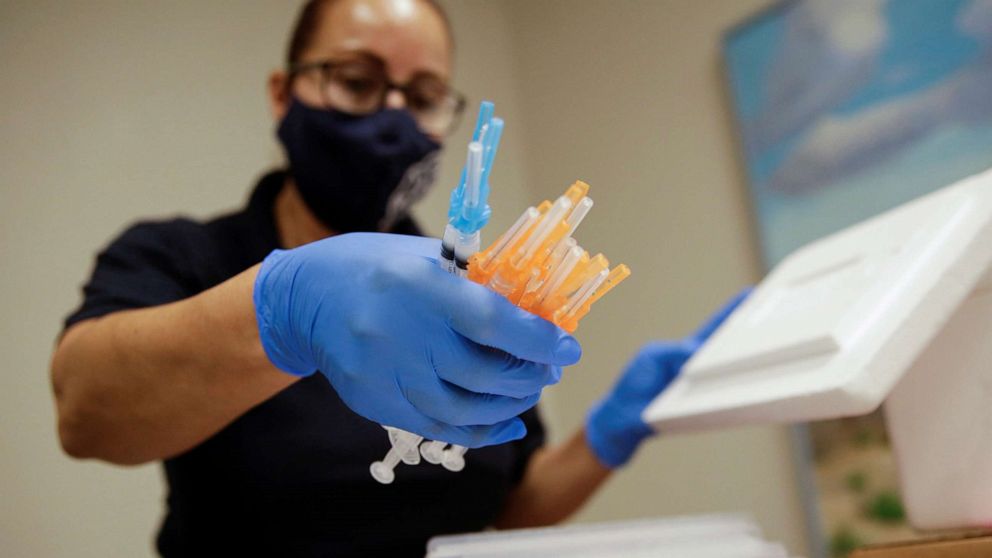
With over a third of the United States population now fully vaccinated against COVID-19, scientists hope to preserve this newly acquired immunity as the pandemic continues. Now, researchers are exploring whether we might all need booster shots in the coming months and years in order to maintain immunity or to protect against newly emerging variants.
"The goal is to prevent future outbreaks -- not react to them," said Dr. Thaddeus Stappenbeck, chair of the department of inflammation & immunity at Cleveland Clinic.
The Biden administration said during a Senate hearing Tuesday that the government has enough funding to buy booster shots if needed.
"There could be two reasons why booster shots may be needed," said Dr. Dan Barouch, director of the Center for Virology and Vaccine Research at Beth Israel Deaconess Medical Center. The first is the "natural waning" of vaccine immunity, and the second is that new variants could emerge that might not be fully covered by the current vaccines, he said.
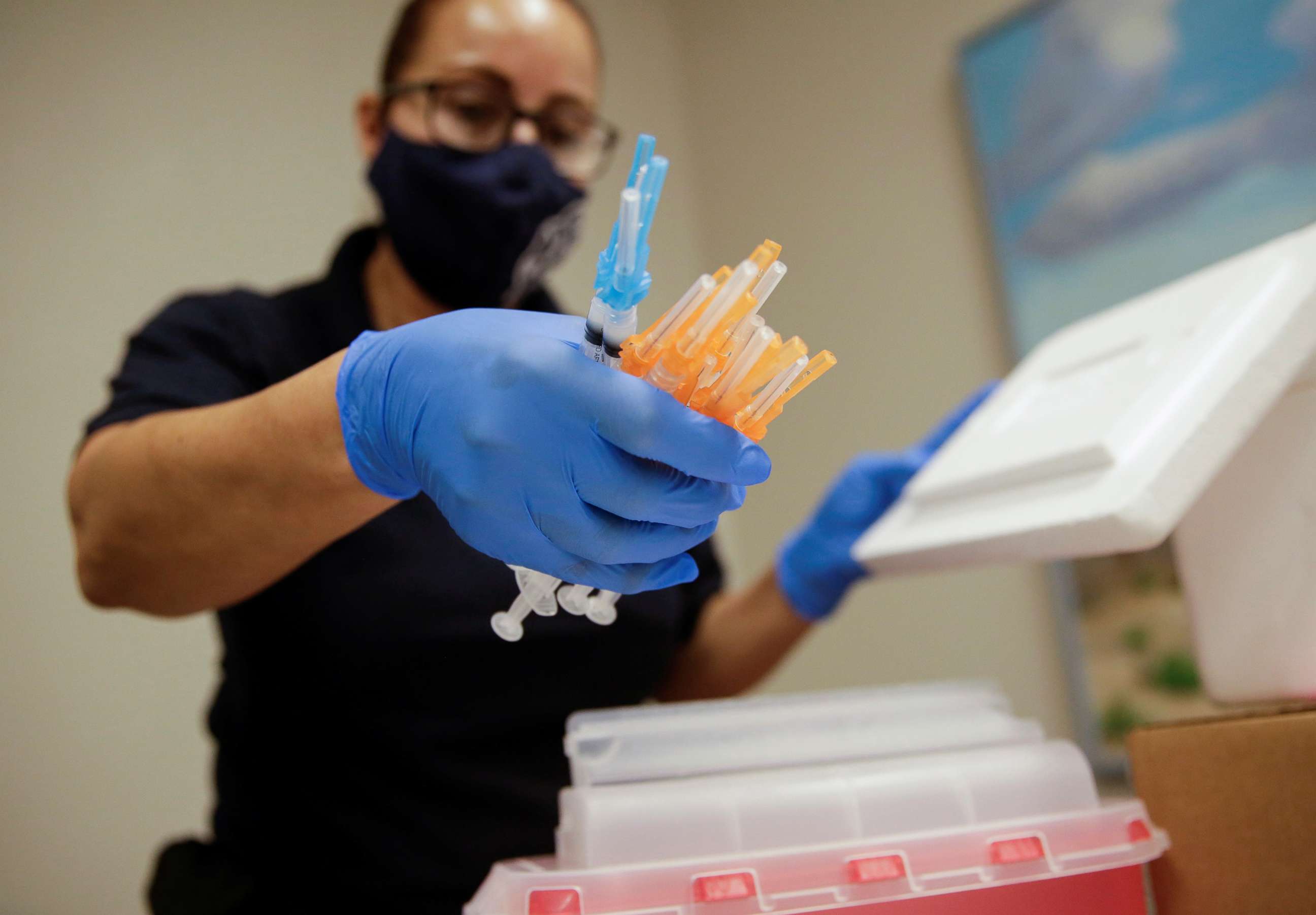
Some experts predict vaccine immunity will last roughly a year and that COVID-19 vaccines might one day be folded into annual flu shots. Meanwhile, with new mutations of COVID-19 emerging worldwide, scientists and vaccine manufacturers are thinking one step ahead by testing booster shots specifically designed to enhance protection against these new variants.
“If we start to see breakthrough infections of clinical significance, then booster doses would likely be recommended. It may be that boosters are recommended for travel to countries where significant transmission continues -- we just don’t know,” said Dr. Anna Durbin, professor of international health and infectious diseases at Johns Hopkins University.
Last week, Moderna announced positive preliminary results showing a third booster shot could both preserve immunity and add protection against two variants -- one that was first identified in South Africa and another first identified in Brazil.
“It's a very good piece of news,” Dr. Stephen Hoge, president of Moderna, told ABC News. “It suggests not only can we boost people's immunity back up and keep it high during the pandemic but also that we can specifically boost it up against some of the new variants of concern.”
Hoge acknowledged that recently vaccinated Americans may be frustrated that additional shots could be needed in the future.
“Well, I’m sympathetic to the disappointment,” Hoge said. “Our current expectation is that we're going to need a booster probably annually for the near term, and then maybe in the future we'll be able to do it much less frequently.”
Pfizer is also testing booster vaccinations and monitoring the need to develop a specific booster shot against a newly emerged variant first identified in India.
“We want to make sure to have a vaccine available before the variant will raise levels of infections that are dangerous for the society,” Dr. Albert Bourla, chairman and CEO of Pfizer, said.
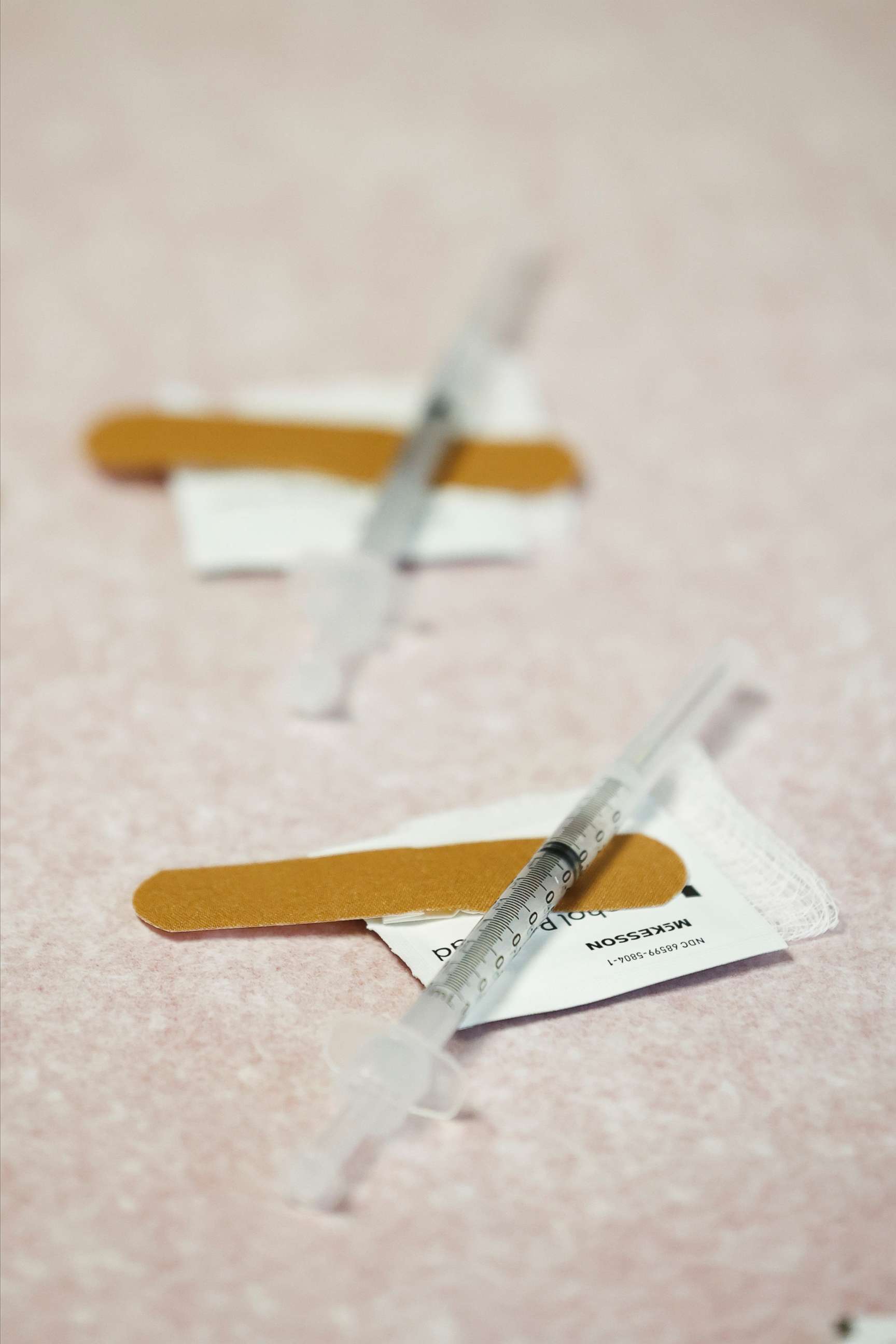
Booster shots being studied by manufacturers include existing vaccine formulations, new strain-matched compounds or a combination of both. Multivalent vaccines contain multiple strain-matched compounds and could potentially expand protection against several new variants with a single booster shot.
Scientists say the mRNA technology behind the Pfizer-BioNTech and Moderna vaccines lends itself to rapid modifications of the vaccine. The vaccine developed by Johnson & Johnson could also be updated quickly.
“We should be able to produce it in less than 100 days," Bourla told ABC News. "And this is our goal right now, so that we can always stay ahead of the [virus].”
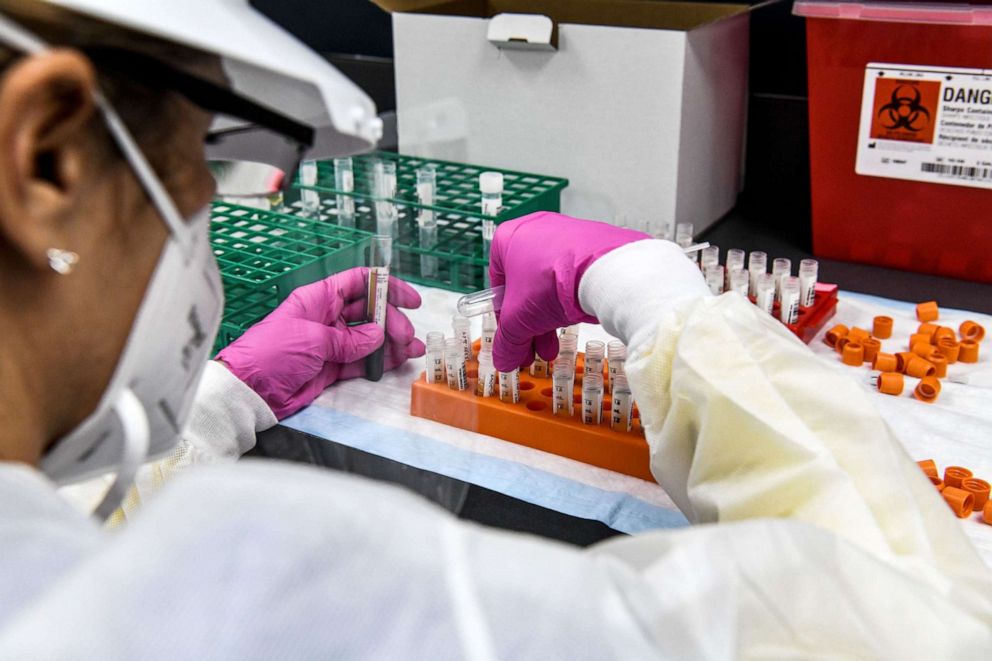
With a major portion of the country and world still unvaccinated, some specialists caution that the most effective approach to ending the pandemic may not necessarily be through booster shots. The World Health Organization says existing vaccines remain effective at preventing severe illness and death even for newer variants.
And recent data has shown that the more people are vaccinated with existing vaccines, the sooner the pandemic will end.
“We have a global need for vaccine doses now, and the best way to reduce transmission and reduce the number of variants is to vaccinate as many people as possible,” Durbin said.
Deepak Ramanathan, M.D., is a chief resident in orthopaedic surgery in Cleveland and a contributor to the ABC News Medical Unit.
ABC News' Sony Salzman contributed to this report.