COVID-19 deaths may lead to prolonged grief disorder
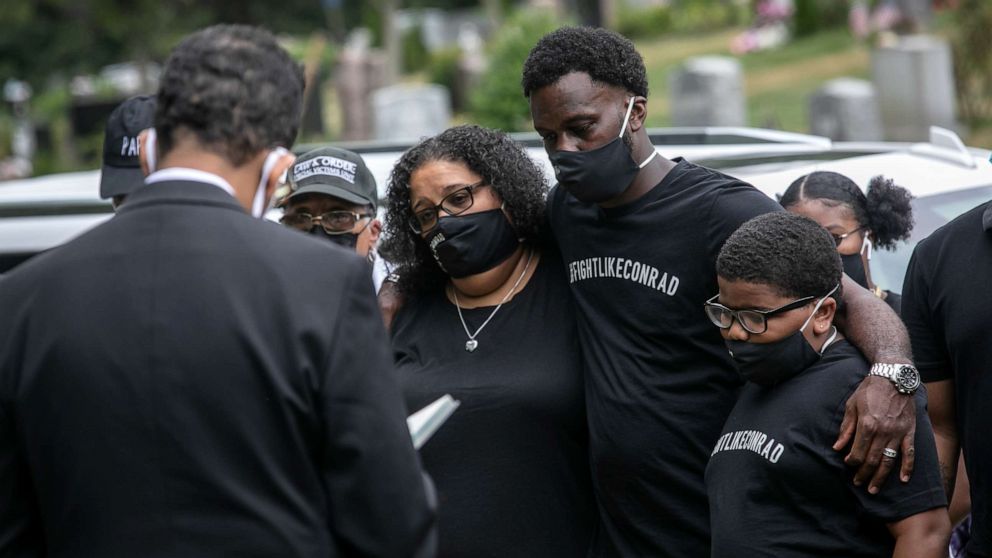
In the midst of the COVID-19 pandemic, health experts are warning about the risk of prolonged grief disorder among people who lose loved ones. Older adults are especially at risk, according to a study published in the Journal of Geriatric Psychiatry,
Prolonged grief disorder, also known as complicated grief, is characterized by persistent yearning for and preoccupying thoughts and memories of the deceased, as well as emotional pain that causes impairment in everyday activities.
This disorder can last at least six months and is different from normal bereavement, which can still be painful and overwhelming. However, even with normal bereavement, most people eventually adapt to the loss of the loved one and changes in life circumstances.
"Bereavement is the normal process of reacting to a loss" Dr. Divya Jose, a psychiatrist in New York City, told ABC News. "The symptoms can include feelings of sadness, anger, guilt, changes in sleep, appetite and energy levels."
In contrast, Jose, said, "complicated grief is an inability to accept the loss and move forward. The symptoms become debilitating and don't improve with time."
Prolonged or complicated grief affects about 2-3% of the population worldwide and is more likely to occur after the loss of a child or life partner and after a sudden death.
People are more likely to develop prolonged grief disorder if they have a history of prior trauma or loss, a history of mood and anxiety disorders, unexpected or violent deaths, if they were the primary caregiver for the deceased or if they experience a lack of social support after the loss.
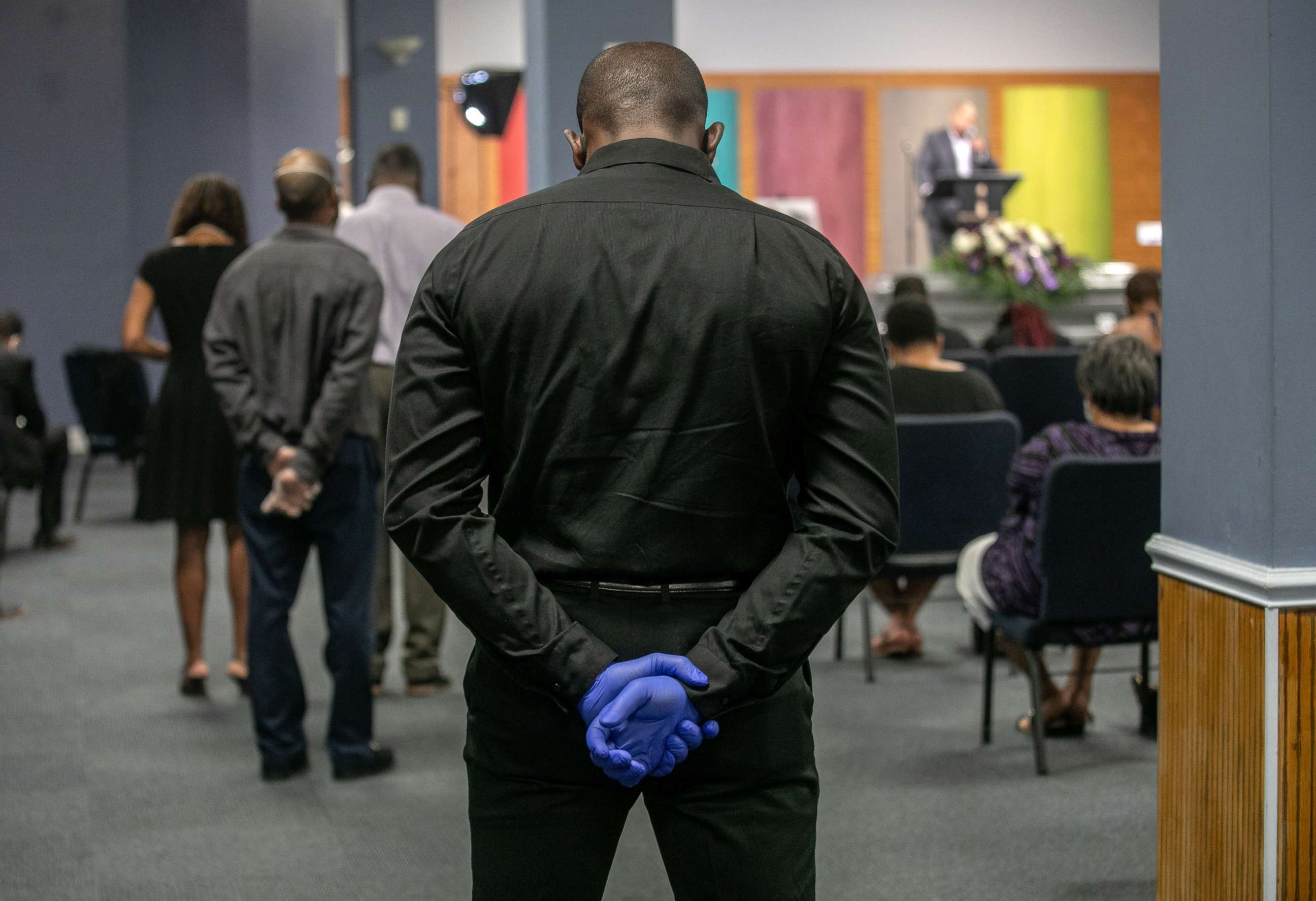
The pandemic has changed the experience of death for many by changing the way terminally ill patients are being cared for, how bodies are buried and what bereavement rituals performed, due to physical distancing restrictions. Other pressures associated with COVID-19, such as unemployment, have further disrupted the normal grieving process.
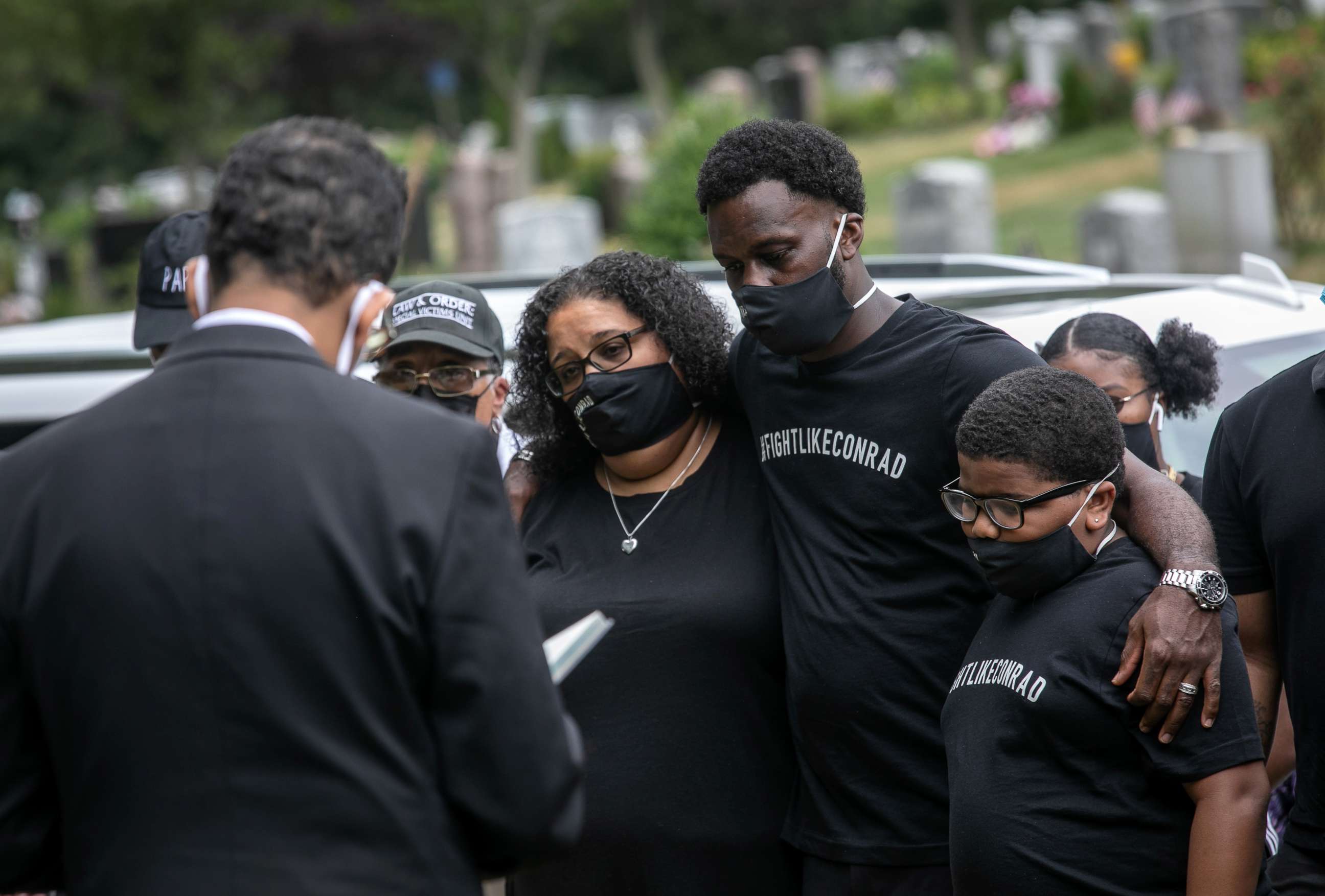
"In addition to the unexpected nature of coronavirus-related deaths, the disruption in traditional grieving processes -- such as the practice of religious rituals, the limitation of visitors and the practice of social isolation -- could potentially interfere with normal grieving, causing a rise in complicated grief," Jose said.
COVID-19 deaths are also happening with stay-at-home orders in place, which can worsen the sense of isolation and loneliness that is a part of the natural experience of many mourners.
"There is a pressing need to implement measures that lessen the adverse consequences of COVID-19-era bereavement," the authors of the study wrote.
They also called for health care providers to pay closer attention to patients experiencing a loss at this time and mentioned that it is important for clinicians to have a better understanding of the natural grieving process and the unique challenges faced by the bereaved during this time.
Recognizing prolonged grief disorder is important because it can cause impairment in physical and mental health and lead to drug use, suicide, reduced quality of life and premature mortality, the authors added.
"Health care providers can help with active listening, helping patients understand and process their grief," Jose said. "Physicians can monitor symptoms to identify any treatable disorder such as depression or anxiety and provide appropriate medication management if indicated."
It is important to note that bereavement can trigger depression, anxiety and trauma-related disorders without slipping into prolonged grief disorder. It is important for health care professionals to be able to identify these treatable disorders and know when and how to appropriately manage them or refer to mental health services. Virtual grief counseling or psychotherapy services can also aid in the healing process.
Awareness of this risk, for healthcare providers, can lead to timely preventive or treatment interventions that may mitigate the development of prolonged grief disorder.
Yalda Safai MD, MPH is a psychiatry resident in New York City and a contributor to ABC News' medical unit.