Why COVID-19 surge makes getting your flu shot more important than ever
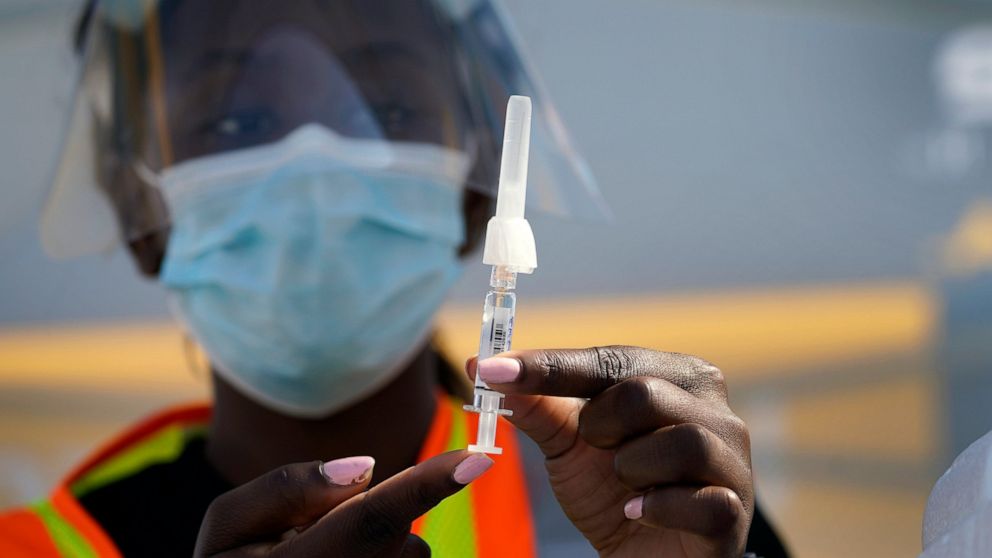
As many children return to in-person learning and adults end a period of working from home, experts are concerned about the upcoming flu season and its implications for hospitals that are already pushed to the limits of capacity due to the COVID-19 delta variant.
Flu season usually runs from October to May, with experts suggesting the best time to get vaccinated is from early September to the end of October, although some major retail pharmacies have already begun advertising this year's supply.
"We should always prepare for the flu season by planning to get vaccinated. This fall and winter there is likely to be circulation of COVID, influenza as well as other respiratory viruses," said Dr. David Hirschwerk, an infectious disease specialist at Northwell Health in New York.
For some, that might mean getting vaccines for the flu and COVID-19 at the same time -- either a booster shot or primary COVID-19 vaccination. Either way, the Centers for Disease Control and Prevention say it is safe to get the COVID and flu vaccines during the same visit.
"There is currently no contraindication to receiving both at the same time and for many people, this will be the most convenient way to handle it," said Hirschwerk.
Experts say that with multiple viruses now circulating, every bit of protection helps.
Other seasonal respiratory viruses -- such as RSV and adenovirus -- have proven unpredictable, surging during the summer, a time typically outside their regular season.
By the same token, it's not possible to predict the severity of the 2021-2022 flu season. Public health officials like to say if you've seen one flu season, you've seen one flu season -- meaning every year starts and ends at different times, with different strains and different severities. Some worry the low number of cases last year during remote learning and work from home situations -- as well as people wearing masks when they were in public -- could be the calm before a very severe flu season this year.
Influenza activity during the 2020-2021 season was at a record low despite high levels of testing. Less than 1% of tested respiratory samples were positive for the flu. For comparison, the prior three flu seasons showed positive tests for influenza between 26% and 30%.
During the 2019-2020 season, 38 million people became sick with flu, resulting in more than 400,000 hospitalizations and 22,000 deaths.
A major contributor to the low cases of flu during 2020-2021 was a record number of flu vaccinations. An estimated 193.8 million doses were distributed in the U.S. during the 2020-2021 season.
Many primary care doctors, especially pediatricians, are playing catch-up when it comes to making sure that everyone is getting their routine vaccinations as the COVID pandemic resulted in many maintenance visits being canceled or rescheduled.
While children under 12 are not yet eligible for the COVID vaccine, those ages 6 months and older are strongly encouraged to get the flu vaccine. Many school districts insist on it.
"The first time a child gets the flu vaccine, it's two doses, not just one, so people should plan for that," said Dr. Eric Cioe-Pena, emergency medicine specialist at Staten Island University Hospital.
Annual flu vaccines are especially important for children ages 6 months to 4 years, adults aged 50 and older, nursing home residents, people with underlying health conditions such as heart disease and lung disease, people who are immunosuppressed and people who are pregnant.
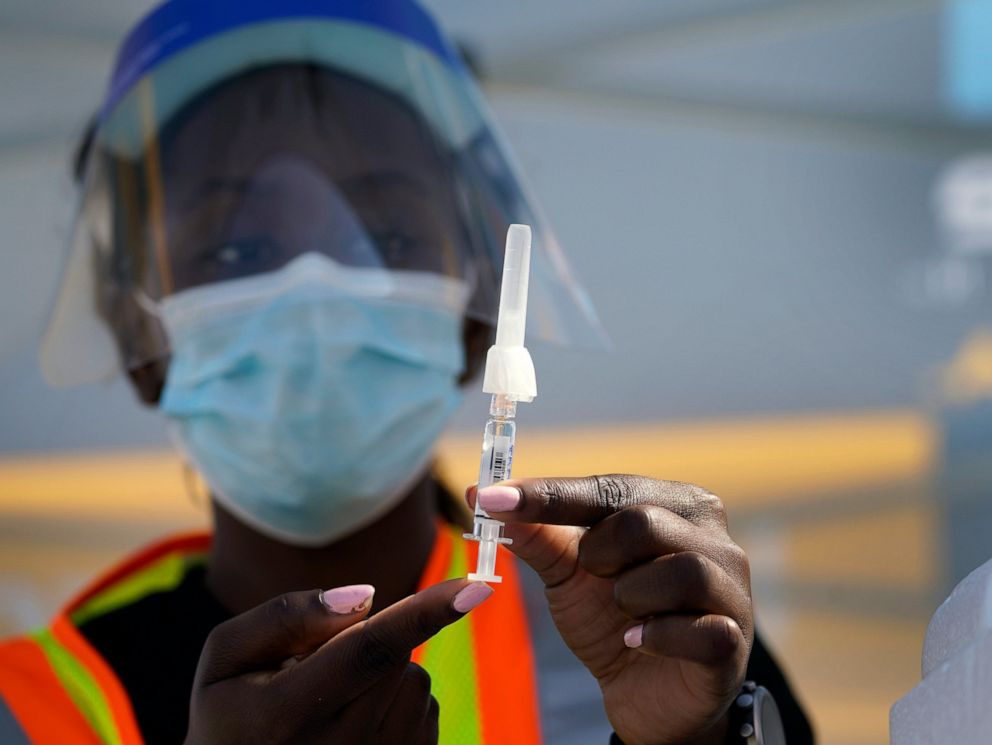
By now, most people are aware that vaccines prevent serious illness for the individual getting the vaccine and for those around them who are more vulnerable to severe illness. In a typical year, hundreds of children die from the flu. The CDC estimates that an average of 36,000 adults have died of the flu each year over the past decade. The worst recent flu season was 2017-2018, when 61,000 people died, according to the CDC.
"It is very important that all children (6 months and older) receive the flu vaccine. This helps to reduce risk of infection, of severe complications from flu, and it protects the entire household and communities by reducing transmission to others," said Hirschwerk.
To vaccinate as many individuals as possible, vaccine makers are producing large quantities of several types of flu vaccine. Flu vaccines are typically made using a process that involves eggs, but alternative vaccines will be available for people who have egg allergies.
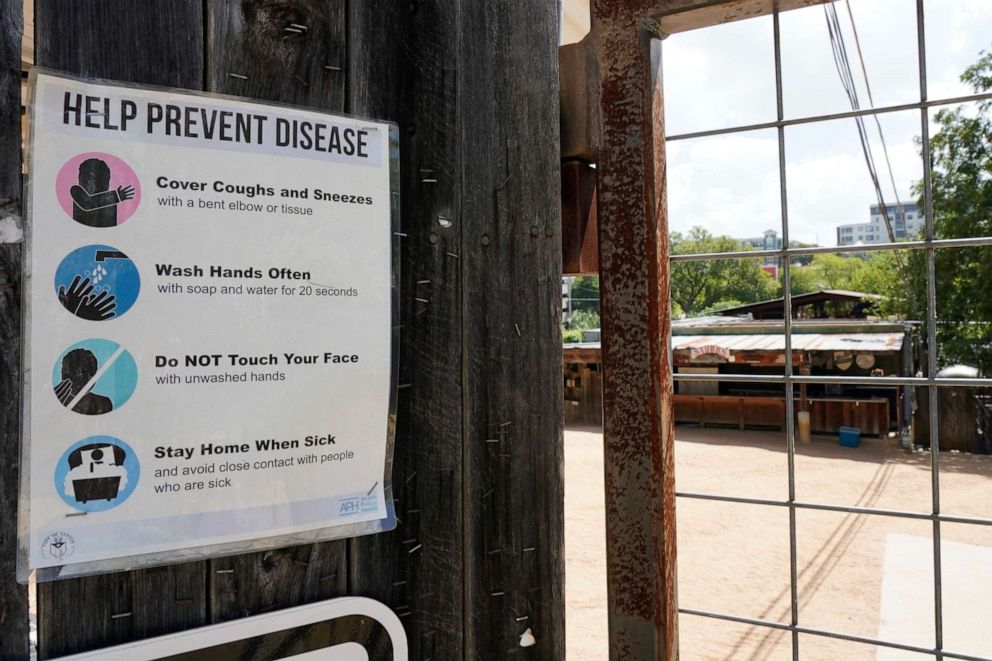
Getting vaccination is a key step in preventing the flu and decreasing transmission, experts say. Continuing mitigation measures are also likely to keep any influenza surges at bay, especially as the country to struggles to cope with the devastation caused by COVID-19.
"Mask-wearing has significantly curbed the spread of influenza," said Cioe-Pena. "Wash your hands, wipe down commonly touched surfaces like keyboards, phones and door knobs. Stay home when you are sick, and wear a mask."
Odelia N. Lewis is a family medicine physician in New York and contributor to the ABC News Medical Unit.