Deadly opioid 'ISO' implicated in at least 19 overdoses in US after China bans fentanyl
A deadly and potent opioid, nicknamed "ISO," first hit the illicit drug market in the United States last year, and since August 2019 has taken the lives of at least 19 Americans, alarming addiction experts and prompting the Drug Enforcement Administration (DEA) to take action. Most of the deaths occurred in the Midwest, but ISO has also appeared in Canada and Europe.
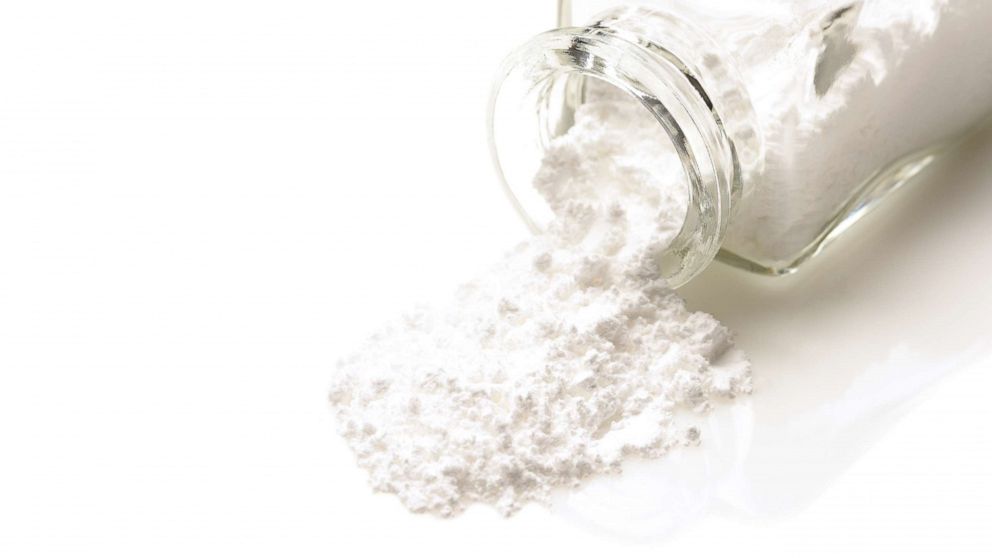
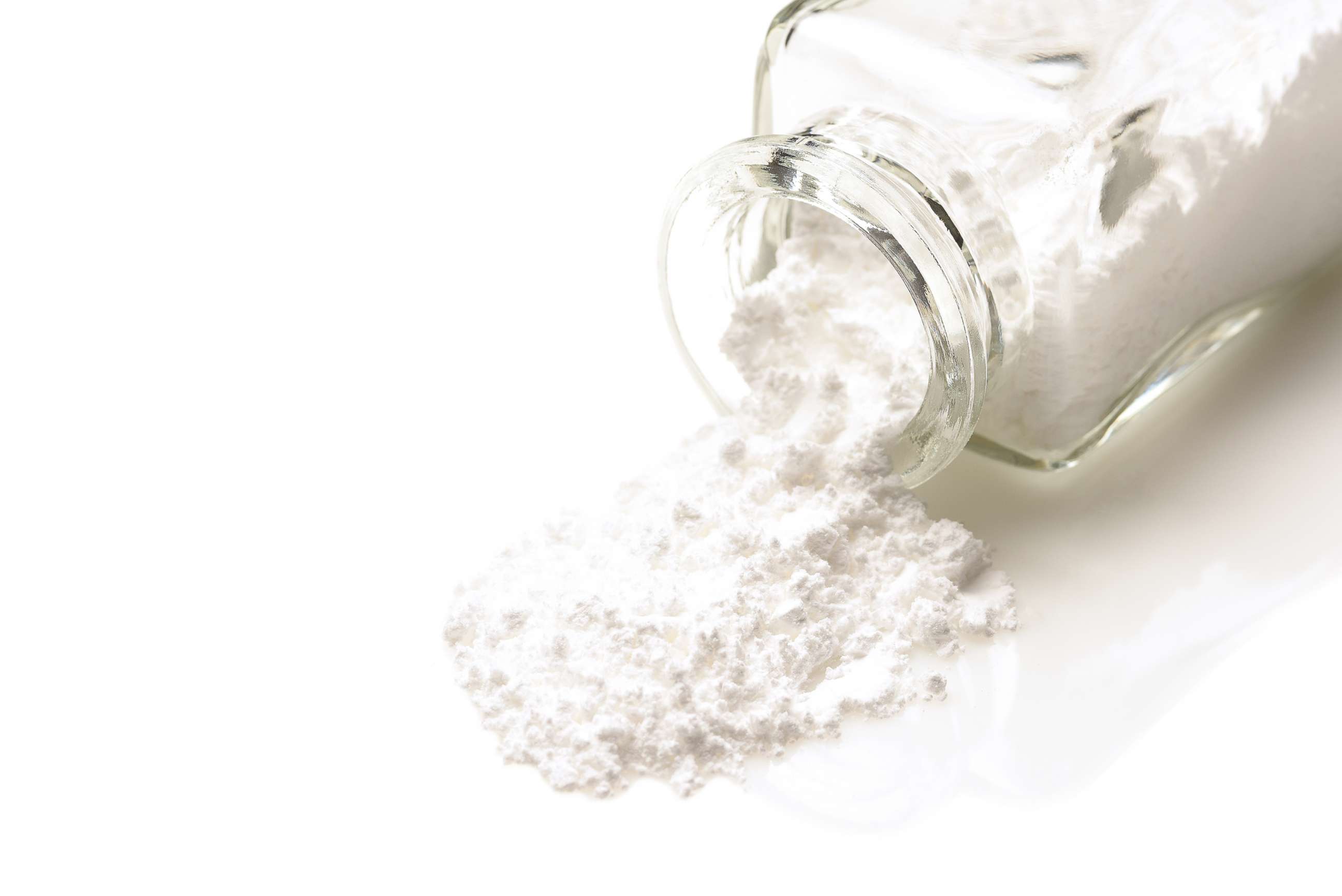
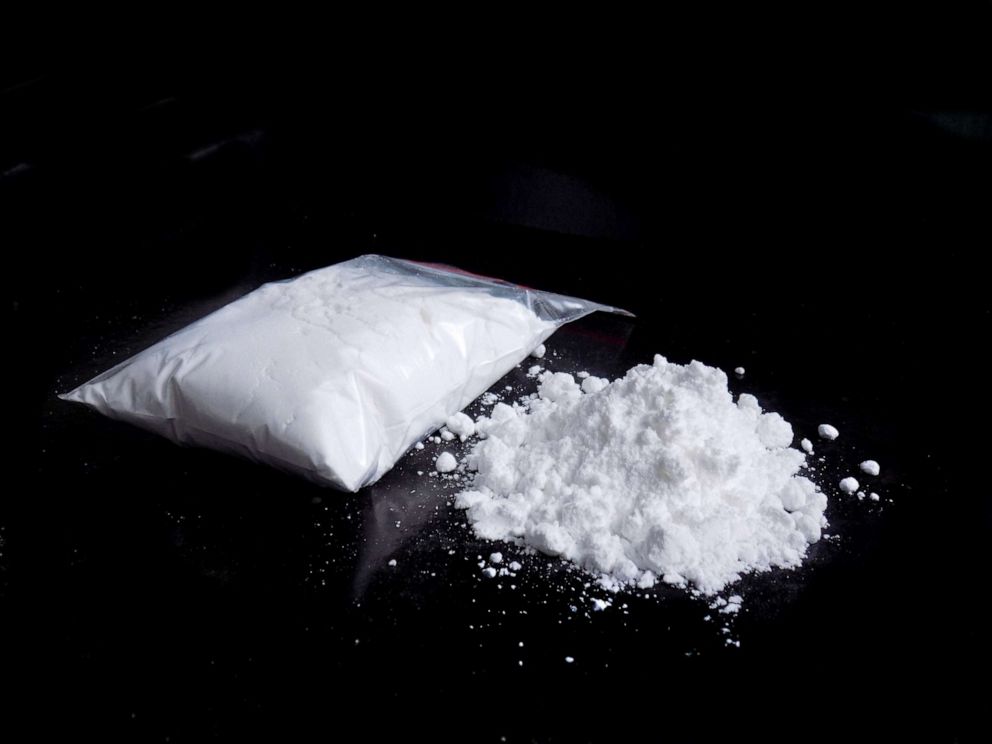
ISO, short for Isotonitazene, "is a white or yellow powder [that] can be mixed with other substances," said Dr. Roueen Rafeyan, the chief medical officer of the Gateway Foundation and an assistant professor of psychiatry at Northwestern University.
It's a manufactured opioid, also called a "synthetic opioid," similar to fentanyl but estimated to be even more potent, Rafeyan said. "In humans, it is probably 60 times stronger than morphine," he added.
Since the dawn of the opioid epidemic, doctors and law enforcement officials have been grappling with wave after wave of new illicit substances. First, it was prescription painkillers. Then, when legislative change made those more difficult to traffic, the market turned to back to heroin, and later, the much more potent synthetic fentanyl.
Now, experts are concerned ISO might be the newest dangerous illegal opioid claiming lives. ISO has actually been around since the 1950s, but was not thought to be particularly threatening to human health -- until now. It wasn't until June of this year that the DEA first categorized it as a "schedule I" drug, meaning that it has "no currently accepted medical use and a high potential for abuse," like heroin.
"[It] went under the radar," said Dr. Harshal Kirane, the medical director of Wellbridge Addiction Treatment and Research.
It's a derivative of etonitazene, a synthetic opioid first developed by pharmaceutical companies to treat pain, "but because it was really strong and had side effects, it really never gained medical use," Rafeyan explained.
So why is ISO suddenly making a devastating appearance?
"One of the primary reasons ISO in particular has resurfaced now is that China banned fentanyl and all of its derivatives in 2019," Kirane said. Because fentanyl was suddenly less available, manufacturers started producing other synthetic opioids to meet demand, he explained.
As the new kid on the block, ISO was also able "to evade regulation," said Dr. Rebecca Trotzky-Sirr, an assistant professor of clinical emergency medicine at University of Southern California and the medical director of jail health services at LAC+USC. In other words, manufacturing, distributing, possessing and using ISO wasn't illegal until the DEA made it a schedule I drug.
But regulation isn't the only thing ISO has successfully evaded -- it's also been deceiving clinicians and people who struggle with substance use.
"Routine tests don't pick it up," and while 19 people were identified as dying of ISO overdoses, this is probably and underestimate, Rafeyan said. ISO was only linked to the 19 deaths after those bodies underwent autopsies.
Rafeyan described a particularly worrisome cluster of cases with devastating consequences due to ISO's invisibility, where "known cocaine users [bought] cocaine, used it, overdosed and died, and they thought that it was maybe laced with fentanyl, but actually the cases are turning out to be ISO."
Amid the coronavirus pandemic, Trotzky-Sirr said, "We see that people are going to different suppliers for their drugs and there's just more unknown."
Gateway Foundation, the largest non-profit substance use treatment center in the country, is actively developing a urine drug test that will detect ISO, aimed to provide results "within a couple of hours," Rafeyan said.
He also emphasized the importance of rapid testing for getting people who have overdosed on ISO life-saving treatment. A medication called Naloxone, also known as Narcan, reverses the effects of opioids and can prevent death from an overdose if administered quickly.
"There are some reports that actually Narcan does work for [ISO], but you need higher doses and repeated dosing," Rafeyan said. Testing for ISO will avoid situations where a patient who has used ISO is given a standard amount of Naloxone "and it doesn't work, and the providers and doctors start thinking maybe this is something else," missing an opportunity to save a life.
Naloxone comes in a nasal spray that can be administered by the public to anyone suspected of having overdosed on an opioid.
Overall, Kirane said, "ISO represents the next step in this ongoing cycle of more readily available, more potent synthetic opioids."
So, what we can do about it? Getting the word out and making Naloxone accessible are two good places to start.
"It is really important for everyone to be aware of [ISO] -- the health care community, as well as the general population," Rafeyan said.
Trozky-Sirr said, "Naloxone should be made available and given to many of our community members and our patients."
Heather J. Kagan, M.D., is an internal medicine resident physician at The Johns Hopkins Hospital and a contributor to the ABC News Medical Unit.