Dentists say teeth grinding is surging during COVID-19 pandemic
With the pandemic causing uncertainty, isolation and disruptions in routine, research has continued to show increases in far-reaching physical and mental health problems -- and now, dentists are noting that teeth grinding and jaw clenching, known as bruxism, also seem to be on the rise.
"Since the pandemic, patients have been coming to me with new complaints of jaw pain, tooth pain, broken or chipped teeth or just because their partners are telling them they’re grinding -- in numbers that I’ve never seen before," Dr. Saul Pressner, a family dentist in New York City, said.
Clenching and grinding is a common problem, but Pressner said he has even treated adults whose teeth clenching issues are brand new.
"I’m really seeing both -- people who were pre-disposed to clenching and grinding, who already had appliances made for them, and some who had no evidence to show they were ever clenching or grinding before," Pressner said.
While the causes of bruxism are largely unknown, some experts believe this behavior is related to sleep patterns and processes within the central nervous system. There are a few risk factors that are associated with increased rates of bruxism, including anxiety, highly stressful life circumstances and heavy alcohol use -- all things that have increased across the population this year.
"Patients admit to being more tense since the start of the pandemic," said Dr. Yanell Innabi-Danial of River Town Dental in Dobbs Ferry, New York. "They exhibit tenderness radiating to head and neck muscles, causing headaches."
The stress isn’t only affecting people while they sleep. It can persist into daytime grinding and clenching as well.
Patients are also clenching their jaws "while working, driving, and doing other activities during the day," Innabi-Danial said, who noted that clenching and grinding can cause wear on the chewing surfaces of the teeth, which can lead to cavities and gum disease.
And bruxism isn’t just affecting adults. Children can experience it, too.
Dr. Kevin Simon, a child and adolescent psychiatrist at Harvard, said he has seen an increase in patients with anxiety or other mental health-related disorders who make note of physical complaints such as headaches and jaw pain.
"Physical complaints are associated in no small part to the tension and stress they are carrying around in the form of clenching and grinding. More headaches, more tension in the jaw and neck," Simon said. "Treating the underpinning mental health condition becomes essential to treating those symptoms."
Ultimately, dentists and mental health professionals agree that tackling this issue will involve addressing stress and anxiety along with preventive dental care to ensure that complications don’t arise in the future.
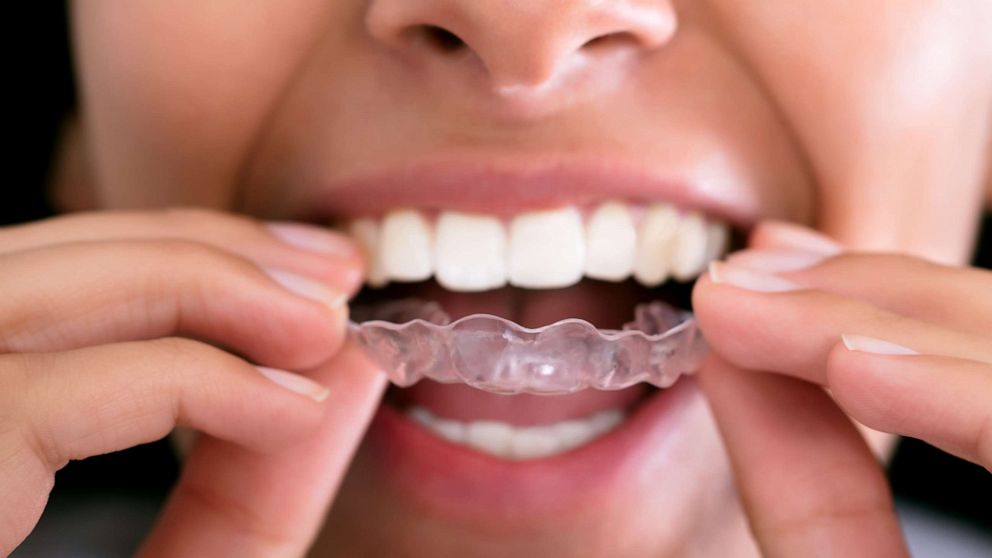
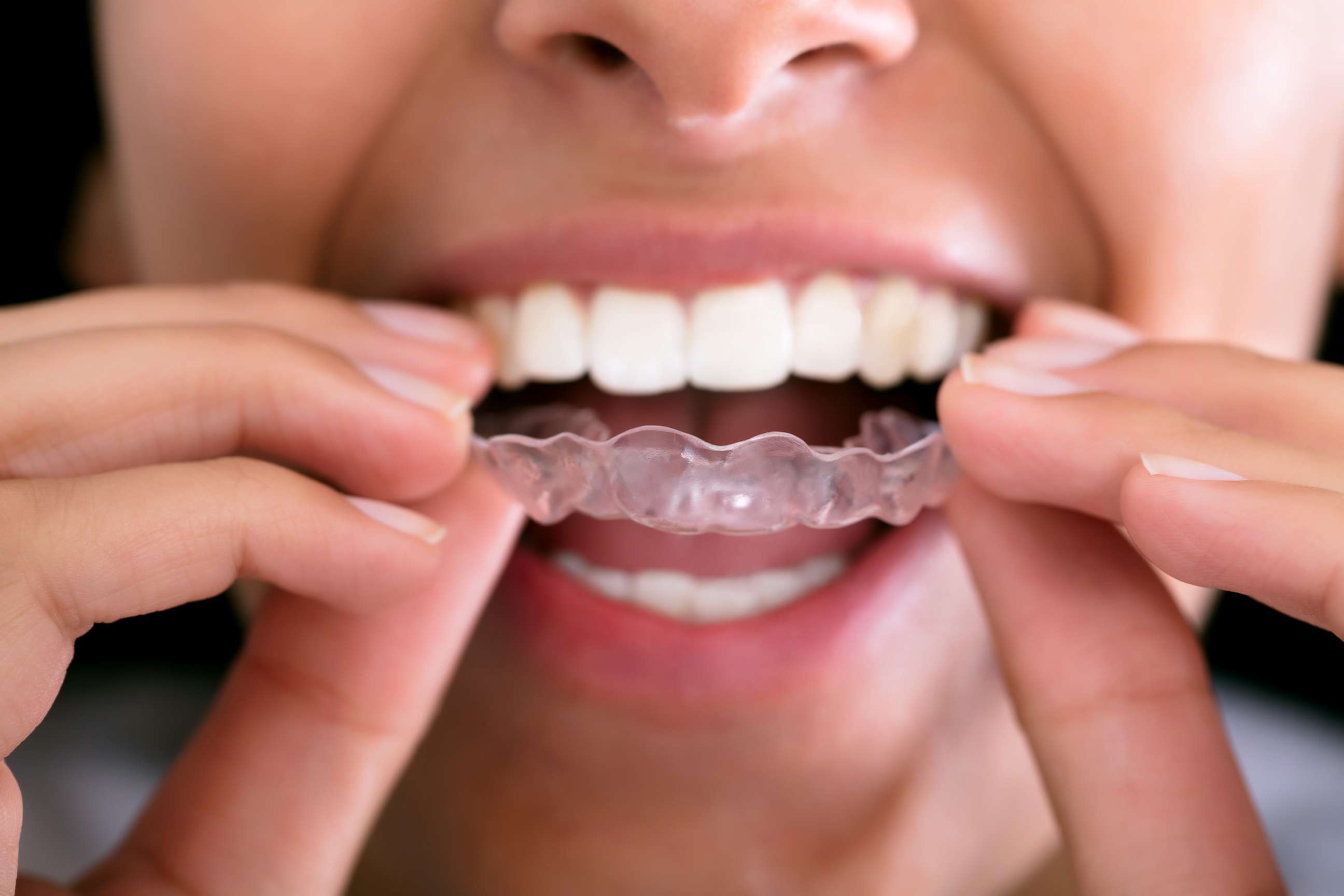
"Night guards do not stop patients from clenching and grinding, but it does protect the teeth and joint while doing so," Innabi-Danial said.
Mouth guards, however, can be cost-prohibitive, with few insurances covering the expense, and dentists also caution that over-the-counter guards may not adequately protect a patient's teeth. Innabi-Danial said that if night guards, behavioral intervention, jaw and tongue exercises and a diet consisting of softer foods do not help, then patients can consider having Botox injected in their jaw muscle.
“Mouth guards are just one piece of it," Pressner added. "I always recommend meditation, yoga, trying to separate their workspace from relaxation space, exercise, all those things for my patients as soon as I notice signs of teeth grinding. This can have so many benefits to their dental and jaw health down the line."
Jacinta Leyden, M.D., is a psychiatry resident physician at Harvard's Brigham and Women’s Hospital, and Dr. Stephanie Widmer is an emergency medicine physician and medical toxicology fellow in New York. Both are contributors to the ABC News Medical Unit.