Doctors rebuff unproven and potentially dangerous oleander chemical falsely touted as COVID-19 'cure'
As the novel coronavirus rages on, the search for a cure remains elusive. However, there's no shortage of proponents of unproven remedies.
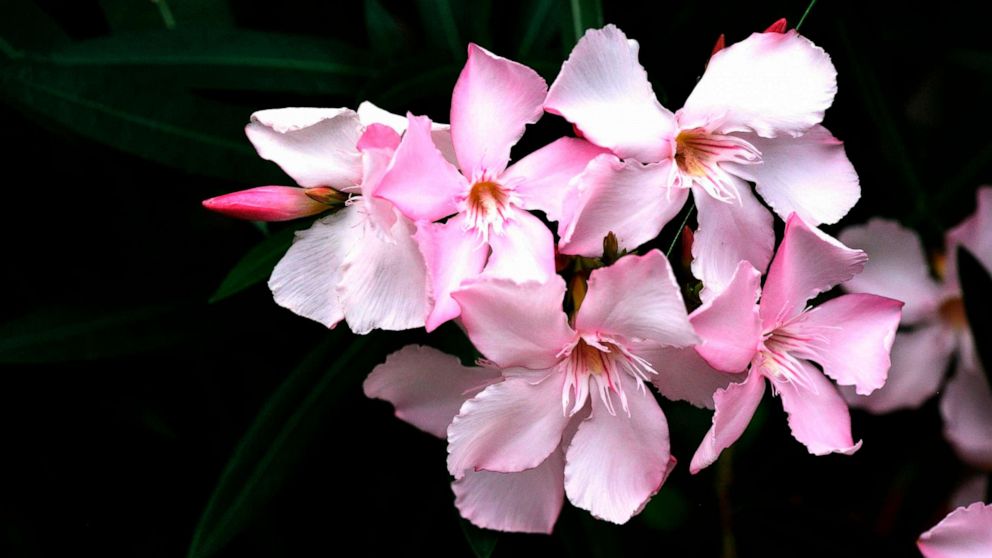
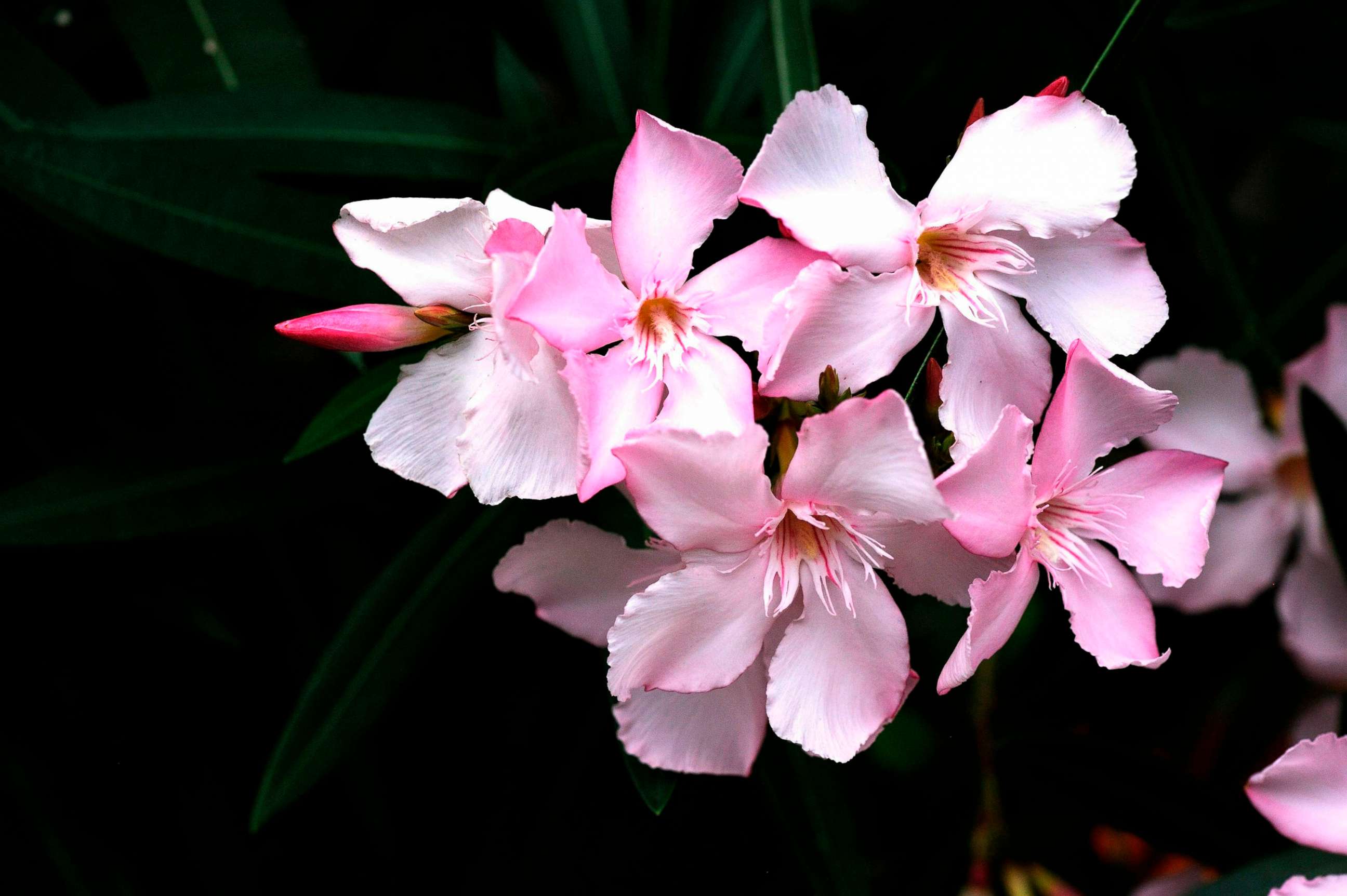
Now, doctors are lamenting the latest headlines that oleandrin -- a potentially toxic chemical -- is being pushed by a business executive with ties to the White House. The chemical, extracted from the Oleander plant, has been quickly rebuffed by experts as dangerous and potentially fatal.
"This is not a friendly plant ... don't go near this plant," said Matthew Heinz, M.D., an Arizona-based internal medicine physician currently caring for hospitalized COVID-19 patients.
Accidentally ingesting even small amounts of oleandrin can kill you, explained Heinz, who spent time in a poison control center and fielded calls about oleandrin poisoning as part of his medical education.
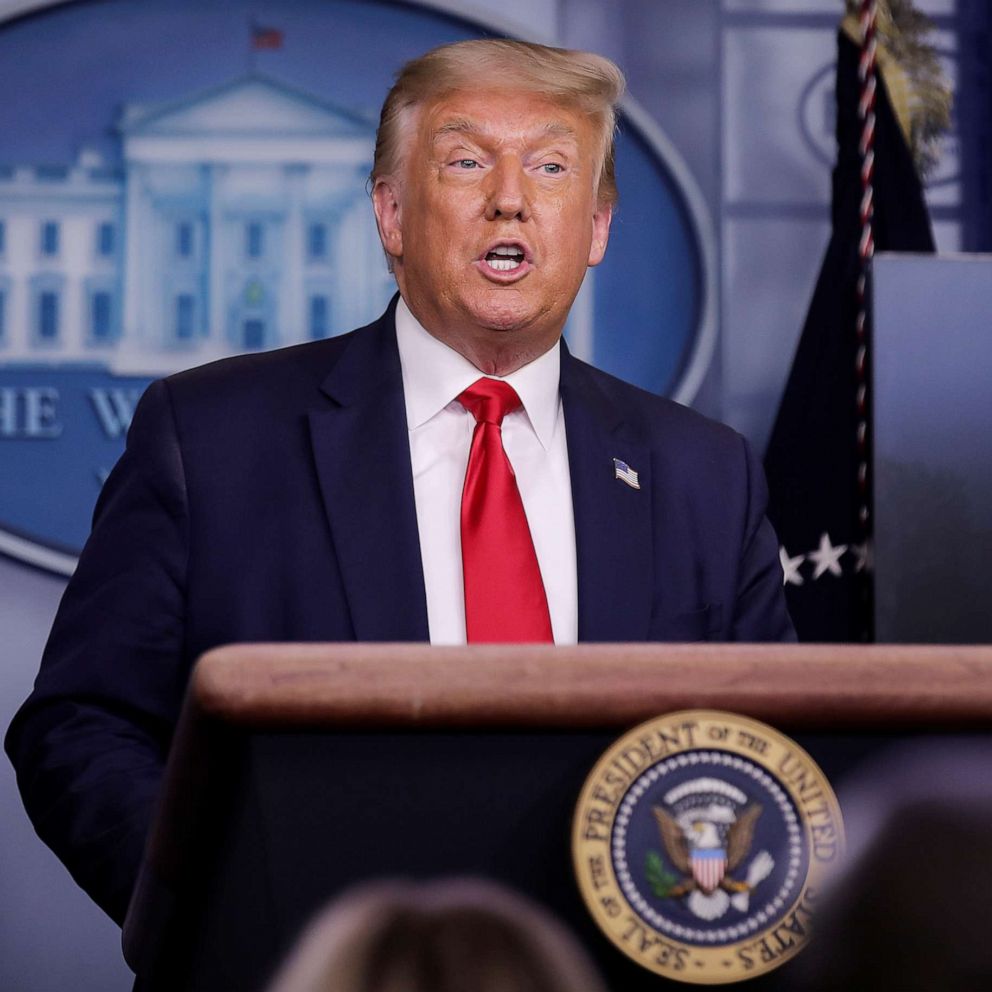
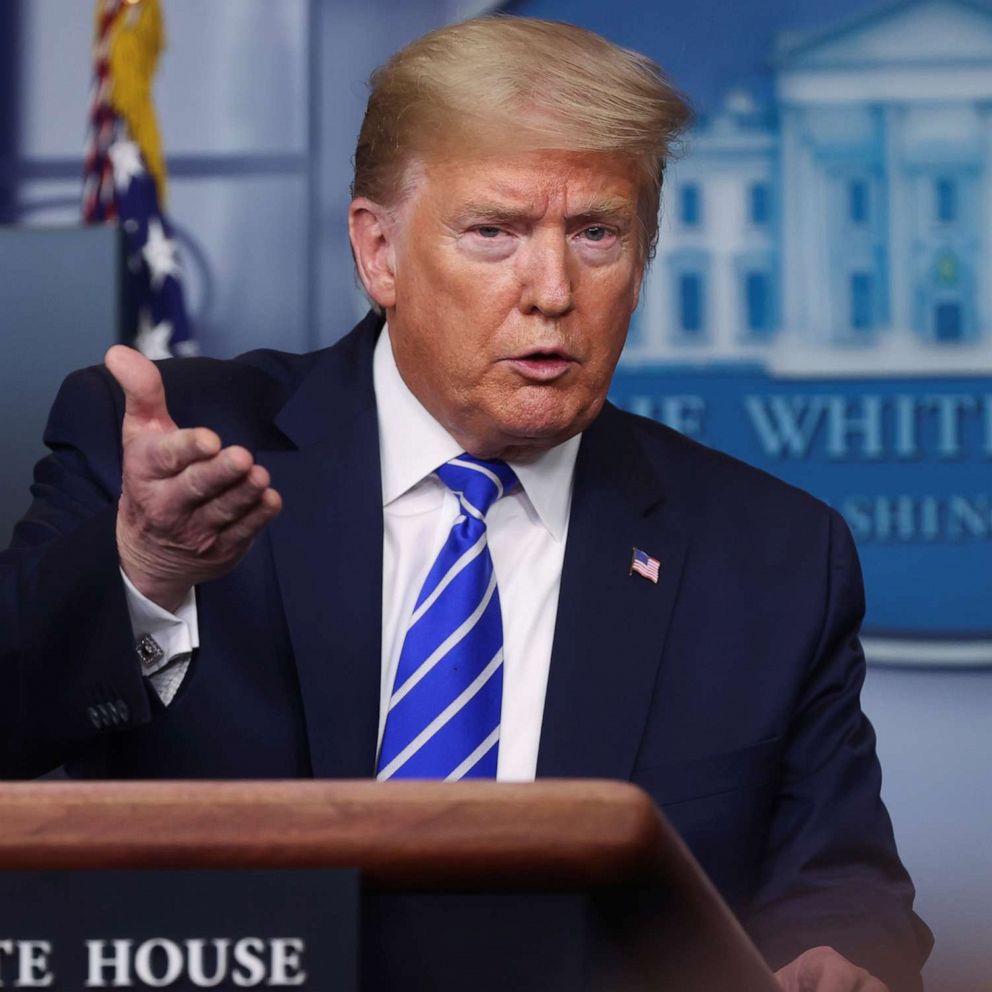
The plant extract has been promoted by MyPillow CEO Mike Lindell, who told Axios he discussed the use of oleandrin as a treatment for COVID-19 during an Oval Office meeting with President Donald Trump, HUD Secretary Dr. Ben Carson, White House Chief of Staff Mark Meadows, and Andrew Whitney of Phoenix Biotechnology, which is interested in selling the product.
On Tuesday, Trump confirmed the use of oleander for treating COVID-19 had been discussed at the White House, stating, "We'll look at it."
The FDA declined to comment, telling ABC News, "Per policy, the FDA does not comment on, confirm or deny potential product applications."
Although a recent study from the University of Texas showed the plant extract was able to kill the virus in lab dishes, experts say lab studies provide almost no information about whether the extract is safe and effective in people. For that, scientists would need to conduct much more extensive studies first in animals, then in humans. The UT study was not published in a scientific journal nor was it scrutinized through peer-review.
"People are not test tubes," said William Schaffner M.D., professor of preventive medicine and infectious disease at Vanderbilt University Medical Center, who says that oleandrin is a potent poison that is extremely toxic to the heart and can cause dangerous abnormal heart rhythms.
"What happens in test tubes is one thing, what happens in people is another," Schaffner said. "We've gone down this road before."
The "road before" is in reference to preliminary lab studies on hydroxychloroquine, which showed promise as a COVID-19 treatment in the lab, but didn't pan out when rigorously tested in people.
Experts are similarly dubious that further tests on oleandrin would pan out.
"It's pretty simple ... nature cures, but it also kills," said Cassandra Quave, Ph.D., medical ethnobotanist, curator of the Emory University herbarium and assistant professor of dermatology at Emory University. "We have not studied [oleandrin] in applications for drug discovery research because of its level of toxicity."
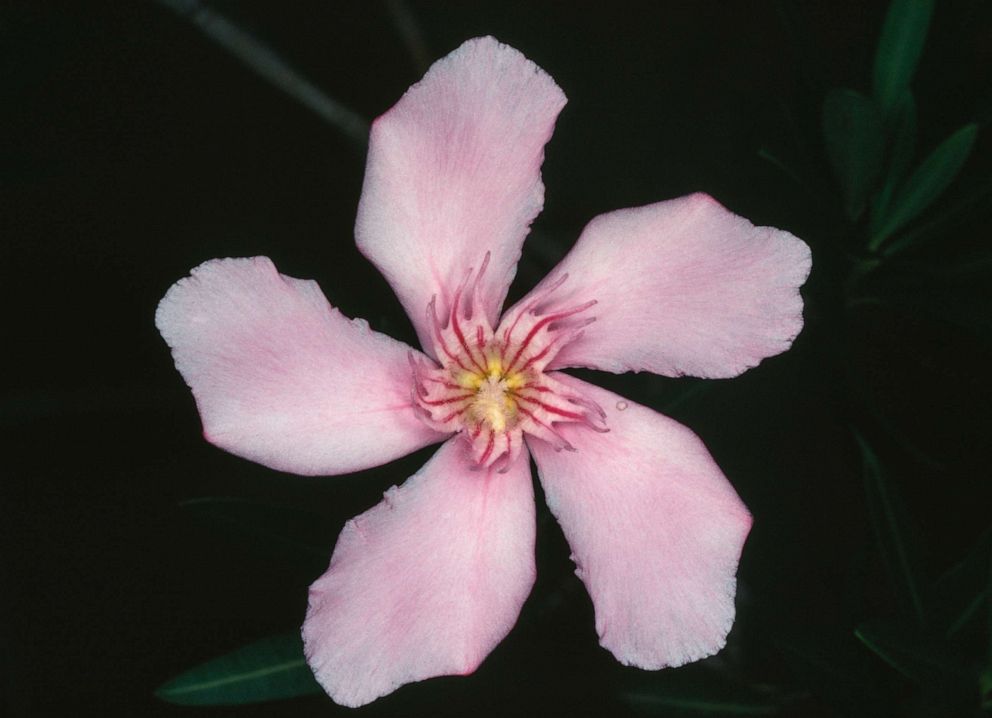
"It's important to explore and investigate plants as medicine, but we also have to be very careful about which plants we promote to the public. In this particular example ... it can prove quite fatal," she said.
Plants as medicine is not a new concept, and many common medications today are derived from plants, including aspirin, which is derived from willow bark, and codeine, which is derived from the opium poppy.
Some plant-based medications can also be highly toxic if ingested in their natural forms; for example, foxglove, a highly toxic plant with similarities to oleander, is used to make the heart failure medication digoxin. So while we do have medicinal uses for known toxic plants, the drug production process is a long one -- generally taking many years.
"We have to remember: safety first," said Todd Ellerin, M.D., director of infectious diseases at South Shore Health. "And until something has a proven safety record, we can't even think about whether something may be effective or not. We can't sideline the science."
With physicians and scientists firmly putting claims of oleander as a COVID-19 treatment on pause until further information comes to light, the race for the breakthrough that will end the global pandemic continues.
Nancy A. Anoruo, M.D., M.P.H., is an internal medicine physician, public health scientist and contributor to the ABC News Medical Unit.