Ebola outbreak could exceed 20,000 cases in 3 months without urgent public health measures: CDC
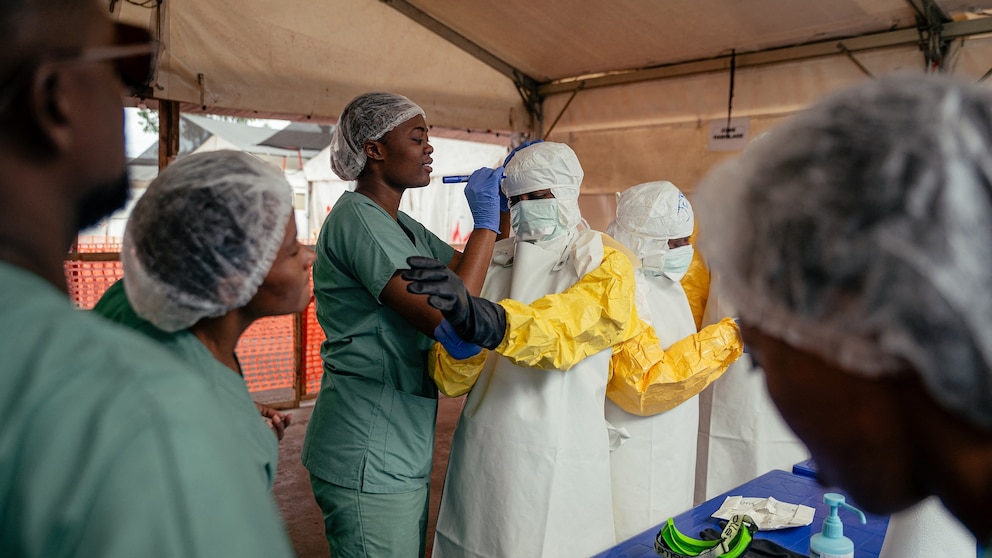
Without urgent action, there is a strong likelihood the Ebola outbreak in Africa will exceed 20,000 cases and 4,000 deaths within three months, a new modeling estimate from the U.S. Centers for Disease Control and Prevention suggests.
The cases and deaths would be centralized to the current outbreak region, the model, released Friday, suggests.
The agency modeled various scenarios of disease spread based on how well public health measures were implemented, including isolation of those sick to prevent ongoing transmission.
If "large-scale and sustained public health interventions are not rapidly implemented to reduce disease transmission, this outbreak could become as large as the 2014-2016 West Africa Ebola virus disease outbreak, which resulted in more than 28,000 cases and more than 11,000 deaths," the CDC wrote in its report.
Based on the spread so far, it appears that not enough sick people are currently being isolated, CDC officials noted during a press briefing Friday.
"Currently, the situation is very fluid, and while the numbers are not completely known, based on the trajectory of the outbreak and the rapid extension into multiple different health zones over a short period of time, this appears to be in one of the lower end of the percentage of individuals that are being detected and isolated," Dr. Satish Pillai, the incident manager for the CDC’s Ebola response, said.
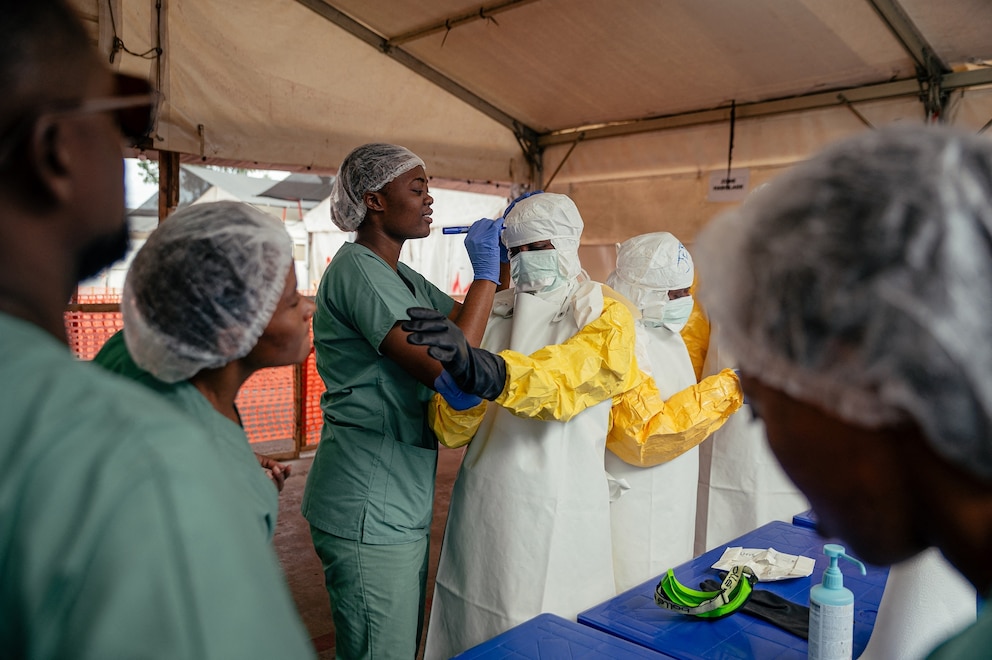
The World Health Organization declared the current outbreak to be a public health emergency of international concern on May 17. As of Thursday, 452 cases of Ebola and 82 deaths have been confirmed in the Democratic Republic of Congo, according to the CDC. In neighboring Uganda, 19 cases and two deaths have been confirmed as of Friday, health officials said.
The new CDC modeling suggested that the outbreak likely began in mid-to-late February through transmission from an animal to human.
The ongoing outbreak is already the largest known outbreak of the Bundibugyo virus disease, a type of Ebola disease, the CDC said.
A separate CDC model released Friday found that the overall risk to the U.S. population continues to remain low. The model accounted for population movement and how Ebola is transmitted. The CDC also noted that entry restrictions and traveler screening would also reduce the potential for imported cases.
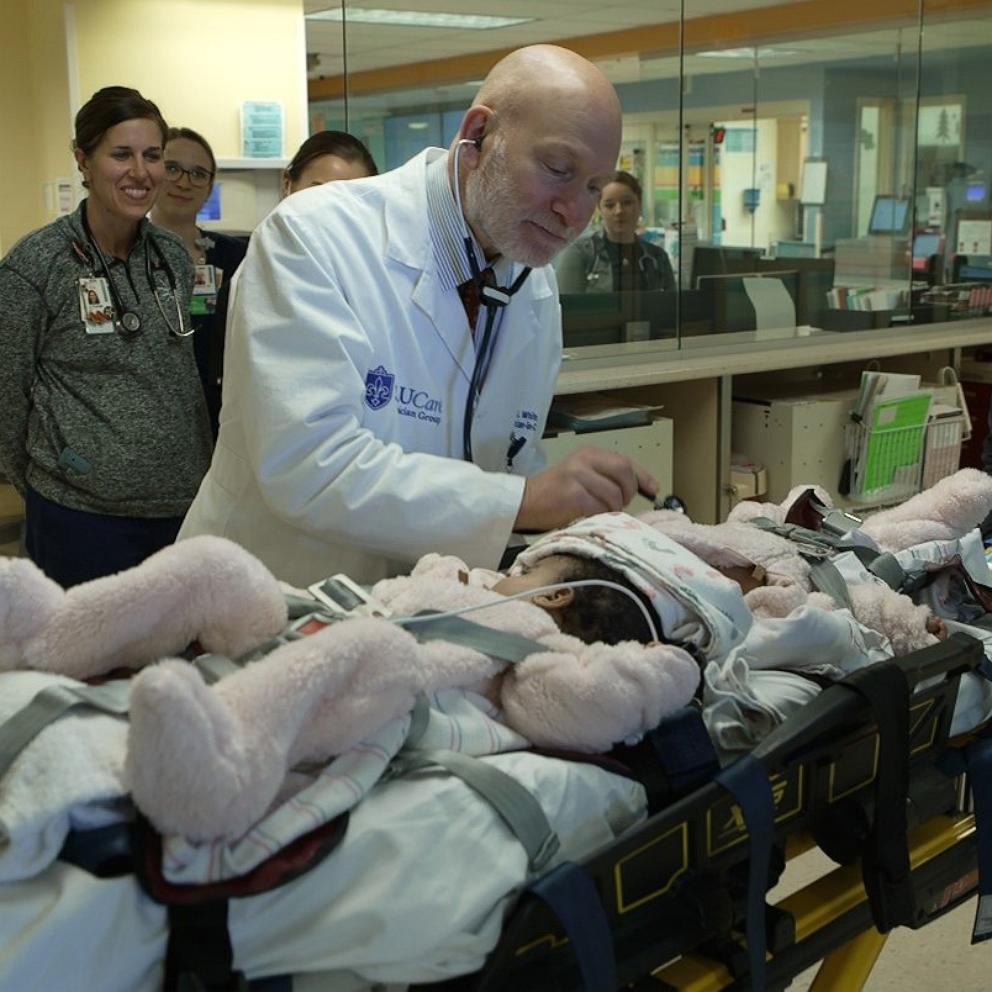
The model also found that in the event a case were to be imported to the U.S., risk of further spread would also be low, "given the strength of our public health system and clinical infection control measures," according to the CDC report.
"Only 11 persons infected with Ebola disease have ever been treated in the United States; all were associated with the 2014-2016 Ebola virus disease outbreak in West Africa," the report added.