Should I hug my children? Ebola doctor on outbreak frontlines faces daily dilemma
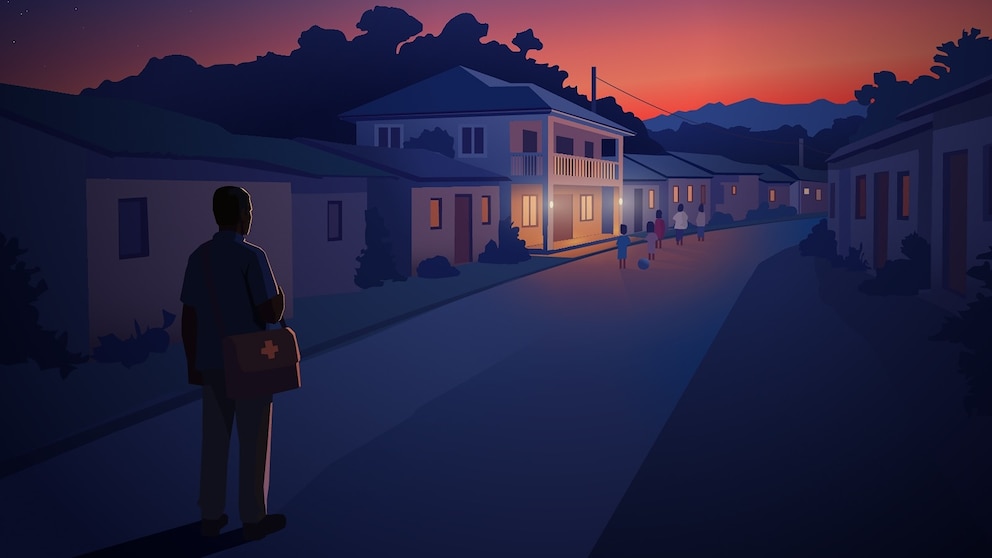
Every evening, after another day hunting Ebola through Bunia and surrounding villages in the eastern Democratic Republic of the Congo, Dr. Patrick Katabuka stands at his front door and asks the question no doctor should have to ask: Should he go inside to his children?
"It would be better for us to stay outside our homes," he said quietly.
Katabuka, 45, is a proud father of five young children: boys aged 10, 8 and 4, and girls aged 5 and 2.
He does not treat patients inside the isolation wards. Instead, he drives on rough roads from village to village, talks with scared families, collects samples and arranges transport to treatment centers. He is often one of the first people to meet the virus.
He has done this for 13 years and survived previous outbreaks. But this one feels different, Katabuka said.
Part of the challenge is simply having the infrastructure to respond. Despite the growing outbreak, Katabuka said only one Ebola treatment center in the affected area is currently operating at the standard needed to provide optimal care. Other facilities exist, but are still being completed or upgraded.
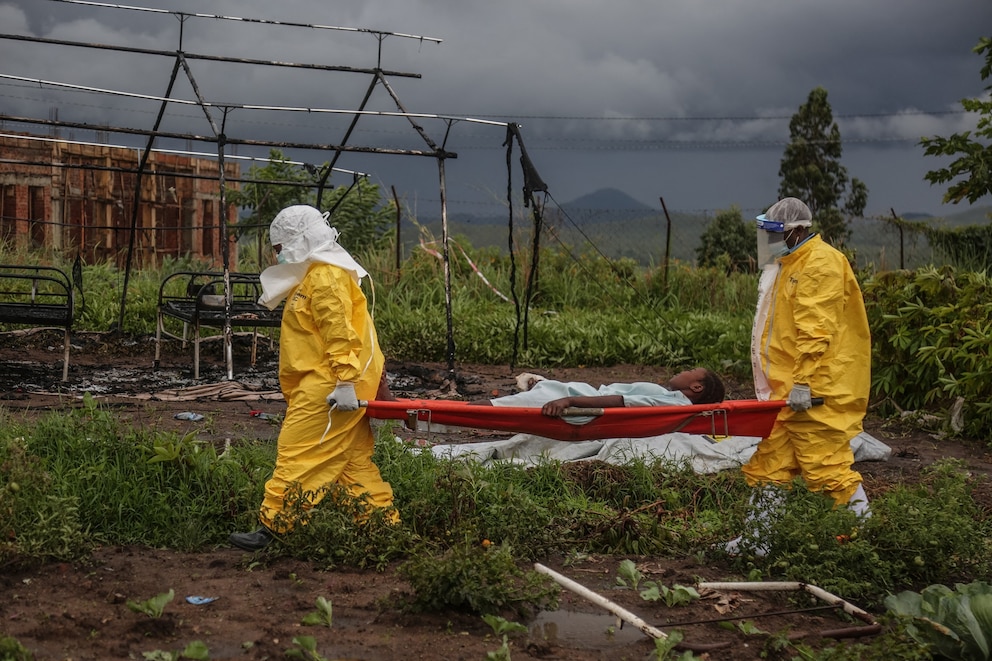
Some of the greatest challenges lie beyond the hospital walls. Parts of the Ituri province, in the eastern DRC, are still affected by conflict, making it difficult -- and in some cases impossible -- for health workers to reach communities where new infections may be emerging.
"There are places where an effective response is impossible because healthcare workers lack access," Katabuka said. In those areas, suspected cases may go undetected, contacts may not be traced and patients may never reach treatment centers.
Protective equipment is often in short supply. When available, the heavy suits become unbearable under the tropical sun.
"You cannot support it during two hours," Katabuka said. "You sweat a lot. You lose a lot of water."
Laboratory results can take more than three days. Yet the deepest wounds are not logistical.
Inside the treatment centers, suspected patients -- many of them children and mothers -- stay separated from their families while awaiting test results. Some have already watched others die. They press against the barriers, desperate for a familiar face.
"They need to see their family," Katabuka said. "That's a big problem."
Fear does the rest. Some communities still don't acknowledge the disease and hide the sick. International funding cuts, including from the United States, have left the health system thinner and more fragile.
Katabuka said the current outbreak is different from the Ebola epidemic in 2018. Back then, health workers often lived and worked in dedicated camps.
"We worked there, we ate there, everything was there," he recalled.
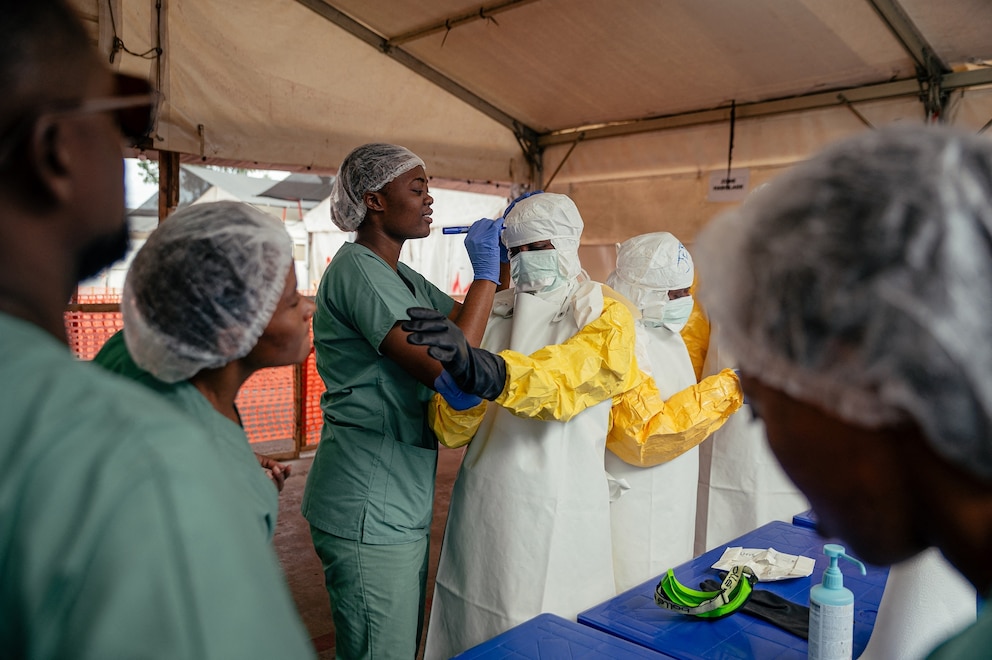
Today, the arrangements are different. At the end of each day, he returns home to his wife and five young children, carrying with him the risks and anxieties of the job.
He thinks of the sweat-soaked suit he wore that day, the families he stood close to and the children he checked for fever. Then he looks at his own door.
Should he risk the hug or should he keep his distance -- just in case?