'An environment marked by fear': Doctors working in DRC speak out about Ebola outbreak
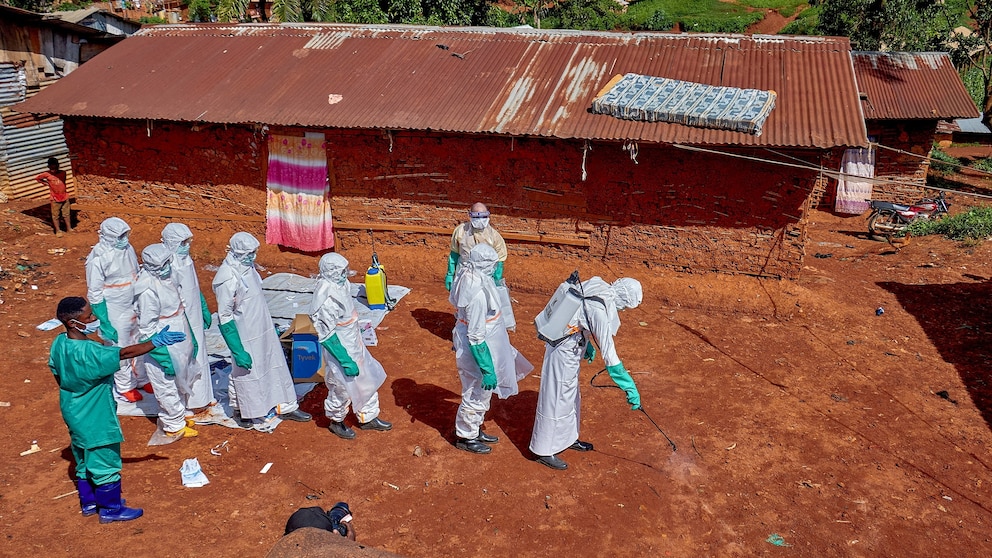
As a deadly Ebola outbreak continues to spread in the eastern Democratic Republic of the Congo, doctors shared the struggles they face in trying to contain the disease.
As of Monday, there were 321 confirmed cases and 48 confirmed deaths, according to the government's figures and the U.S. Centers for Disease Control and Prevention. Additionally, at least 15 cases and one death have been confirmed in neighboring Uganda, according to health officials.
Some doctors told ABC News that the virus is a serious threat, but they are just as worried about fear in communities and the spread of misinformation.
Dr. Aymar Akilimali, an infectious diseases physician and head of research at the DRC-based Medical Research Circle, told ABC News how healthcare workers' ability to respond to the outbreak can be hampered.
"A virus can be fought and controlled with scientific tools such as surveillance, rapid diagnosis, clinical management, research and preventive measures," he said. "On the other hand, when a population is fearful, distrustful of healthcare facilities, or lives in an area of insecurity, the response becomes much more complex."
Akilimali highlighted the array of challenges that fear can create.
"Patients may delay seeking medical care, some contacts become difficult to trace and healthcare teams face limited access to communities," he said.
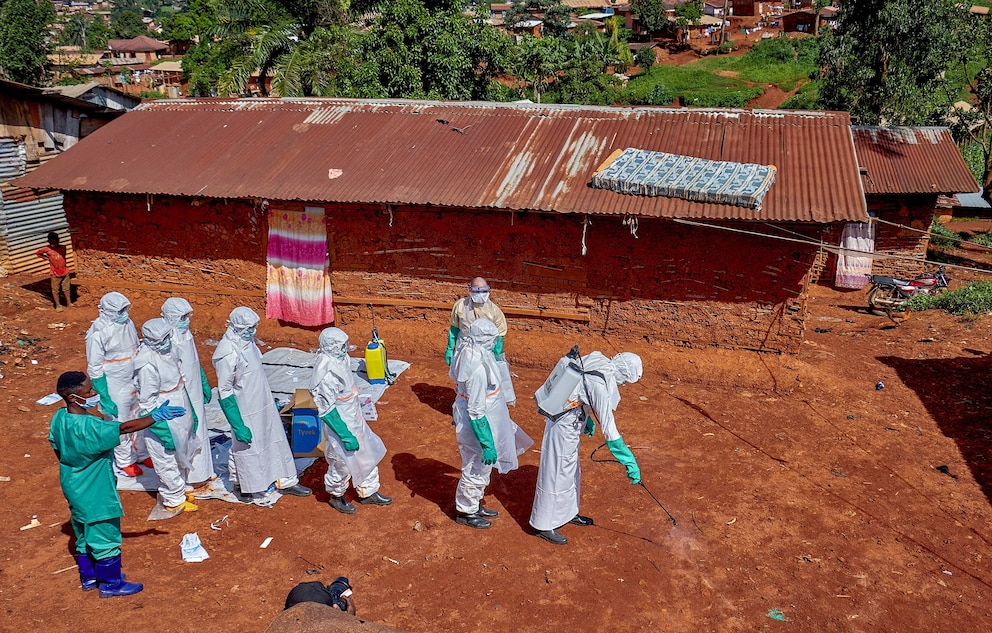
Akilimali has been helping in Ebola outbreak response efforts in Goma, a major metropolis in the eastern DRC. Flows of black volcanic rock wind through the city's densely populated neighborhoods and camps for displaced people line the urban periphery.
He is responsible for documenting how Ebola is spreading through populations over time, evaluating prevention and control strategies and supporting community outreach activities. It has been "stressful," he conceded.
"Working on the front line means working in an environment marked by fear, urgency, uncertainty and above all by strong emotional pressure because this disease is extremely contagious and deadly," Akilimali said.
He described the Ebola treatment centers -- where many patients have gone to seek care -- as heavily monitored to prevent the disease from spreading. DRC Minister of Communication Patrick Muyaya told ABC News last month there are at least 125 patients in the centers.
"Biosecurity is a top priority in these centers," Akilimali said. "Every movement, every contact and every procedure follow strict protocols designed to protect both patients and medical staff."
Healthcare workers in the centers wear full personal protective equipment for extended periods, which he said can be difficult in the region's heat.
Akilimali described how people in some communities do not believe the Ebola virus is real and will enter response centers to create disorder or try to steal the bodies of relatives who have died.
Dr. Amédée Prosper Djiguimdé, chief of health for UNICEF in the DRC, agreed that community fear is one of the greatest challenges in the response.
"Misinformation and fear are also affecting control efforts, including resistance to decontamination and reluctance by some patients or families to accept isolation," Prosper Djiguimdé told ABC News.
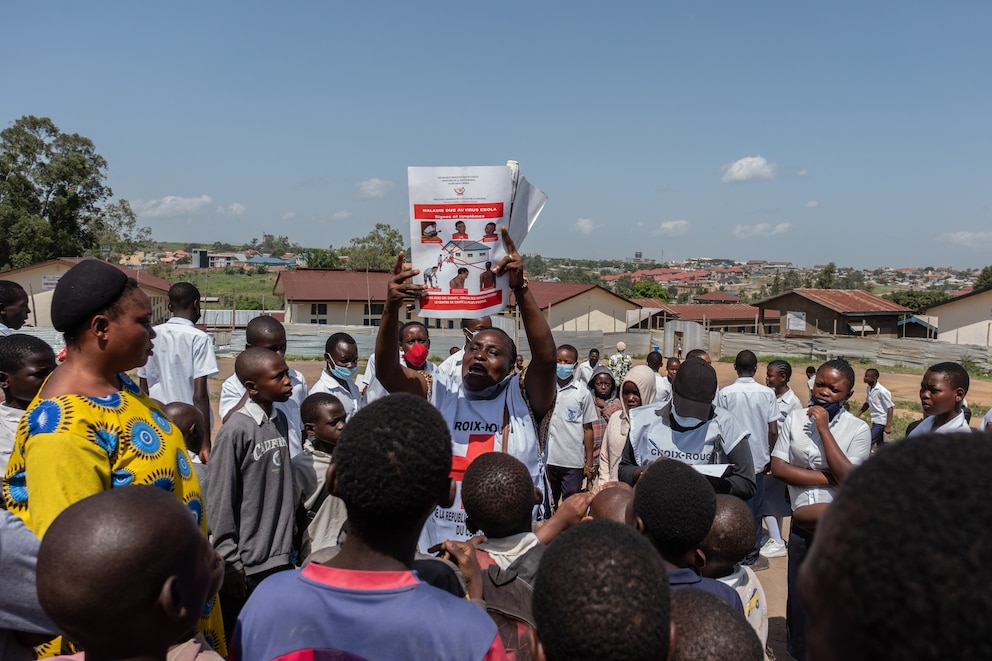
He described how UNICEF is directly engaging with local leaders, religious leaders, women's groups, transport workers and health personnel to build trust within communities.
Prosper Djiguimdé noted that UNICEF and its partners are listening to concerns and addressing misinformation by spreading messages about Ebola "through trusted local structures rather than relying only on top-down communication."
According to Akilimali, the greatest challenge for healthcare workers is operating in a region marred by armed conflict, population displacement, poverty and fragile health systems.
"In some areas, insecurity limits communities' access to healthcare, and dilapidated infrastructure hinders rapid contact tracing," he said. "Another challenge lies in the psychological burden placed on healthcare workers. Many teams operate under constant pressure, confronted with the severity of the illness and even death."
Prosper Djiguimdé added that access issues and insufficient mobility for field teams have been among UNICEF's biggest response challenges.
He also highlighted gaps in the availability of protective equipment, community resistance, delayed detection, movement of suspected patients between facilities and "non-optimal" contact tracing.
On Monday, the International Rescue Committee noted that only about 20% of contacts are currently being traced and that the outbreak is "likely far worse" than official figures suggest.
Akilimali added that some frontline healthcare workers are afraid of the disease, especially after seeing some of their colleagues die while taking care of patients.
He said these workers understand the risks of Ebola but that it "evokes complex emotions" to work in the center of a deadly outbreak.
Akilimali said healthcare workers are in a better position to respond to this Ebola outbreak compared to past outbreaks thanks to the rapid mobilization of equipment provided by international organizations and more robust surveillance strategies and prevention efforts.
"Regardless of the severity of [Ebola], local health professionals remain deeply committed to protecting their communities," he said.
On Tuesday, U.S. Secretary of State Marco Rubio said that the U.S. would re-engage with the global vaccine alliance Gavi amid the outbreak.
He told the Senate Foreign Relations Committee that the decision had been made a few weeks ago to re-engage, after the Trump administration pulled funding from Gavi last year.