• Video
  • Shop
  • Culture
  • Family
  • Wellness
  • Food
  • Living
  • Style
  • Travel
  • News
  • Book Club
  • Newsletter
  • Privacy Policy
  • Your US State Privacy Rights
  • Children's Online Privacy Policy
  • Interest-Based Ads
  • Terms of Use
  • Do Not Sell My Info
  • Contact Us
  • © 2026 ABC News
  • Wellness

ER visits almost double for young children swallowing objects
3:41
News headlines today: April 12, 2019
STOCK PHOTO/Getty Images
ByDr. Charlyn Laserna
April 12, 2019, 11:00 AM

Before children explore the world on foot, they explore it with their five senses.

Early development often includes children listening, looking, touching, smelling and tasting their way through their surroundings. The mouth is one of the first body parts that babies have control of, and anything that they can see and touch is often something they can sink their teeth -- or gums -- into.

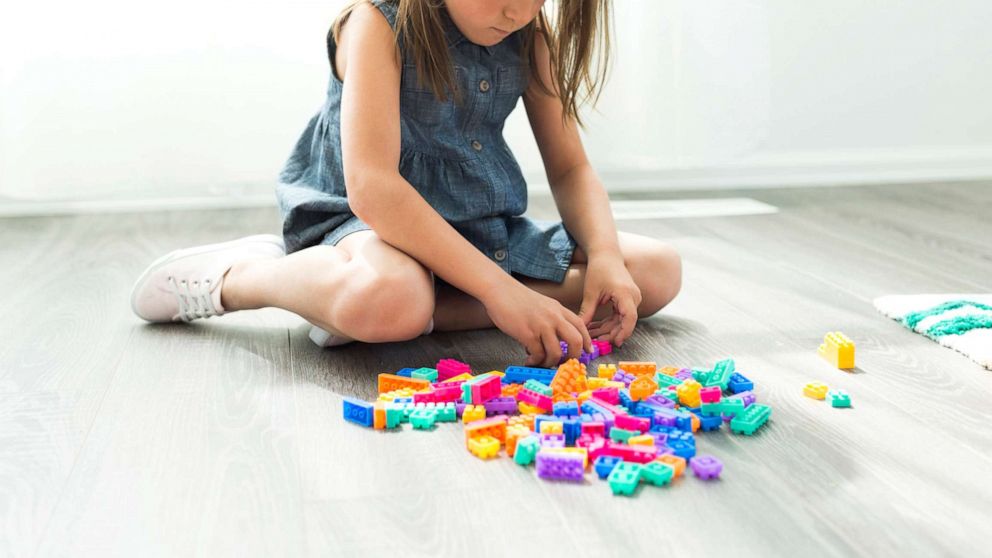
Unfortunately, this newfound eagerness for discovery is often accompanied by the hazard of accidentally swallowing objects and potential choking.

Related Articles

(MORE: Bernie Sanders relaunches his Medicare-for-all health care legislation)

A new study in the journal Pediatrics, by researchers at Nationwide Children’s Hospital in Columbus, Ohio, found the number of ER visits by children younger than 6 who accidentally swallowed objects nearly doubled between 1995 and 2015.

"This means an average of 99 children per day are going to emergency departments for foreign body ingestion," Dr. Danielle Orsagh-Yentis, a pediatric gastroenterologist and primary author of the study, told ABC News.

The study found the most common objects ingested were coins, specifically pennies and quarters. The other most likely objects were small toys, jewelry and so-called button batteries.

Dr. Orsagh-Yentis attributes this rise in hospital visits to the increased availability of easily swallowed objects in households despite stricter choking hazard regulations.
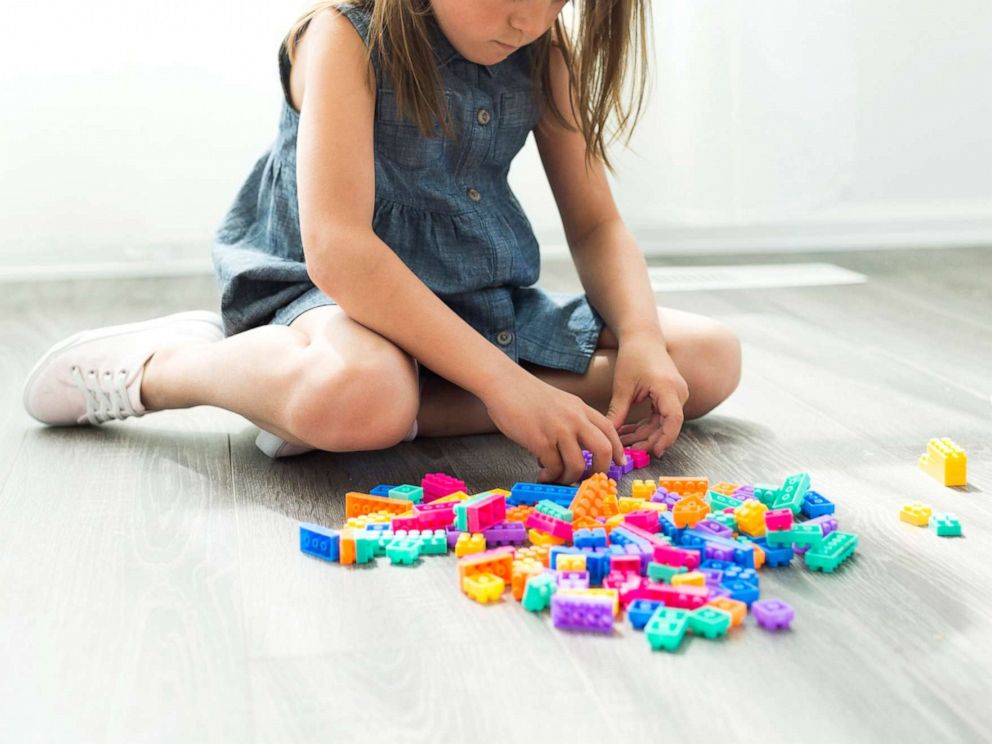
PHOTO: A young girl plays with blocks in this stock photo.
STOCK PHOTO/Getty Images

Related Articles

(MORE: Prince Harry, Meghan's plan to keep baby news private likely puts an end to the traditional postpartum hospital pose)

"Button batteries," she told ABC News, "are in things like watches, hearing aids, small remotes, and in toys. The relative availability of these and other objects has increased since 1995."

While most kids who swallow objects have few or no symptoms, swallowing any object has the ability to cause difficulty breathing or choking. Certain objects such as batteries and magnets pose the greatest risk when swallowed, since they could potentially cause burns or tear the lining of the esophagus, stomach or intestine.

Related Articles

(MORE: What to know about the new immunotherapy allergy tablets treatment)

"What is of paramount importance is practicing safe storage" said Dr. Orsagh-Yentis, who recommends that any small objects be stored and locked at an elevated level. "If children can’t see them, they can’t be enticed by them."

The following are some ways to prevent accidental object ingestion in kids:

  • Put yourself in their shoes. Get down on all fours so you can see what your child sees in nooks and crannies that you otherwise may not see while standing. You’ll also be able to tell which drawers, cabinets or trash containers they are able to open from that level.
  • Store small objects in closed containers, out of reach and locked away. Even though some containers and most prescription bottles are made to be childproof, never underestimate a curious child. The key is out of sight, out of reach, out of mouth.
  • Keep your guard up. Kids can be speedy, and it sometimes takes just a few seconds for them to swallow something they shouldn’t. While it's virtually impossible to keep them away from every single object they might accidentally swallow, close supervision can help prevent many of these accidents from happening.
  • Charlyn Laserna is a pediatric resident physician in Houston, and a contributor to the ABC News Medical Unit.


    Up Next in Wellness—

    Amid social media challenge, calls to poison centers for Benadryl among teens more than double this year than last

    June 11, 2026

    3 Connecticut children die from apparent diphenhydramine overdoses, no confirmed link to viral 'Benadryl challenge'

    June 10, 2026

    FDA green-lights 1st new sunscreen ingredient in years

    June 9, 2026

    Doctor breaks down study showing GLP-1s may lower breast cancer risk

    June 3, 2026

    Shop GMA Favorites

    ABC will receive a commission for purchases made through these links.

    Sponsored Content by Taboola

    The latest lifestyle and entertainment news and inspiration for how to live your best life - all from Good Morning America.
    • Contests
    • Terms of Use
    • Privacy Policy
    • Do Not Sell My Info
    • Children’s Online Privacy Policy
    • Advertise with us
    • Your US State Privacy Rights
    • Interest-Based Ads
    • About Nielsen Measurement
    • Press
    • Feedback
    • Shop FAQs
    • ABC News
    • ABC
    • All Videos
    • All Topics
    • Sitemap

    © 2026 ABC News
    • Privacy Policy— 
    • Your US State Privacy Rights— 
    • Children's Online Privacy Policy— 
    • Interest-Based Ads— 
    • Terms of Use— 
    • Do Not Sell My Info— 
    • Contact Us— 

    © 2026 ABC News