New evidence has doctors worried about long-term damage from COVID 'brain fog'
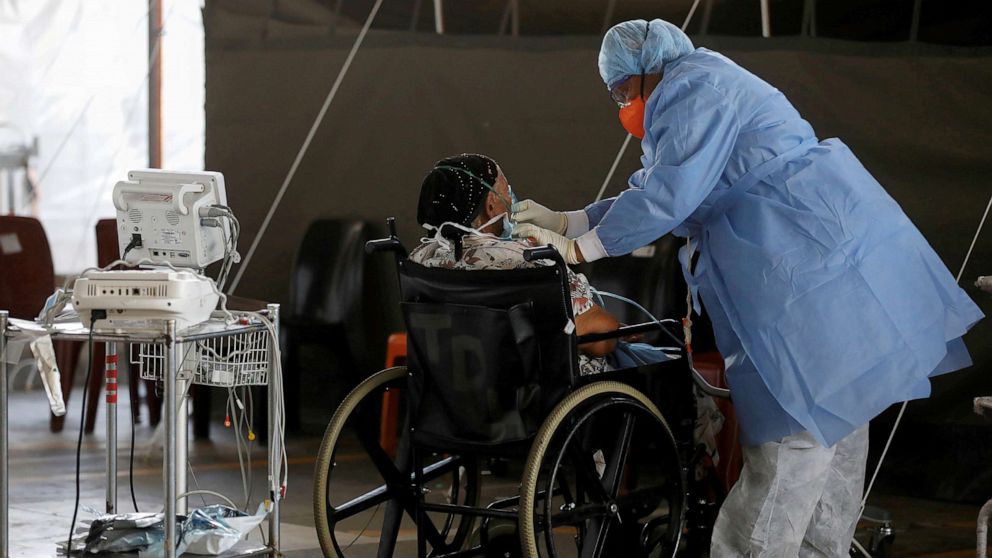
A flurry of new scientific findings is prompting renewed concern among doctors about the long-term cognitive impacts of COVID-19 in some patients.
Several new studies presented at the Alzheimer's Association International Conference, being held this week in Denver, have found that many COVID-19 patients experience "brain fog" and other cognitive impairments months after recovery. This adds to a growing body of research on COVID-19's apparent long-haul symptoms, which can include confusion, forgetfulness and other worrying signs of memory loss.
"This research features the first data from an international consortium, which includes the Alzheimer's Association, investigating the long-term consequences of COVID-19 on the brain," Heather Snyder, the vice president of medical and scientific relations for the Alzheimer's Association said in prepared remarks.
Not enough time has passed for researchers to know if these worrying symptoms eventually clear up. However, they're pointing to these studies as renewed evidence that everyone -- especially older people who are already vulnerable to cognitive decline -- should get vaccinated.
"While we work together to further understand the lasting impacts of COVID-19 on the brain, the take home message is simple: don't get COVID-19. And the best way to do that is by getting vaccinated," Maria Carrillo, chief science officer for the Alzheimer's Association, said in prepared remarks.
Researchers at the University of Texas Health Science Center studied the cognition and olfactory senses of 300 older adult Amerindians from Argentina who contracted COVID and found that 50% had persistent problems with forgetfulness and 25% had additional problems with language and executive dysfunction.
"A large portion of our patients in the COVID Recovery Program exhibit cognitive signs and symptoms long after the inflammatory phase of COVID has passed. We typically see many patients with naso-pharyngeal predominant illness come back to us with more neurocognitive deficits," Dr. Thomas Gut, director of the Post-COVID Recovery Center at Staten Island University Hospital, told ABC News. Gut was not involved in any of the studies presented at the conference.
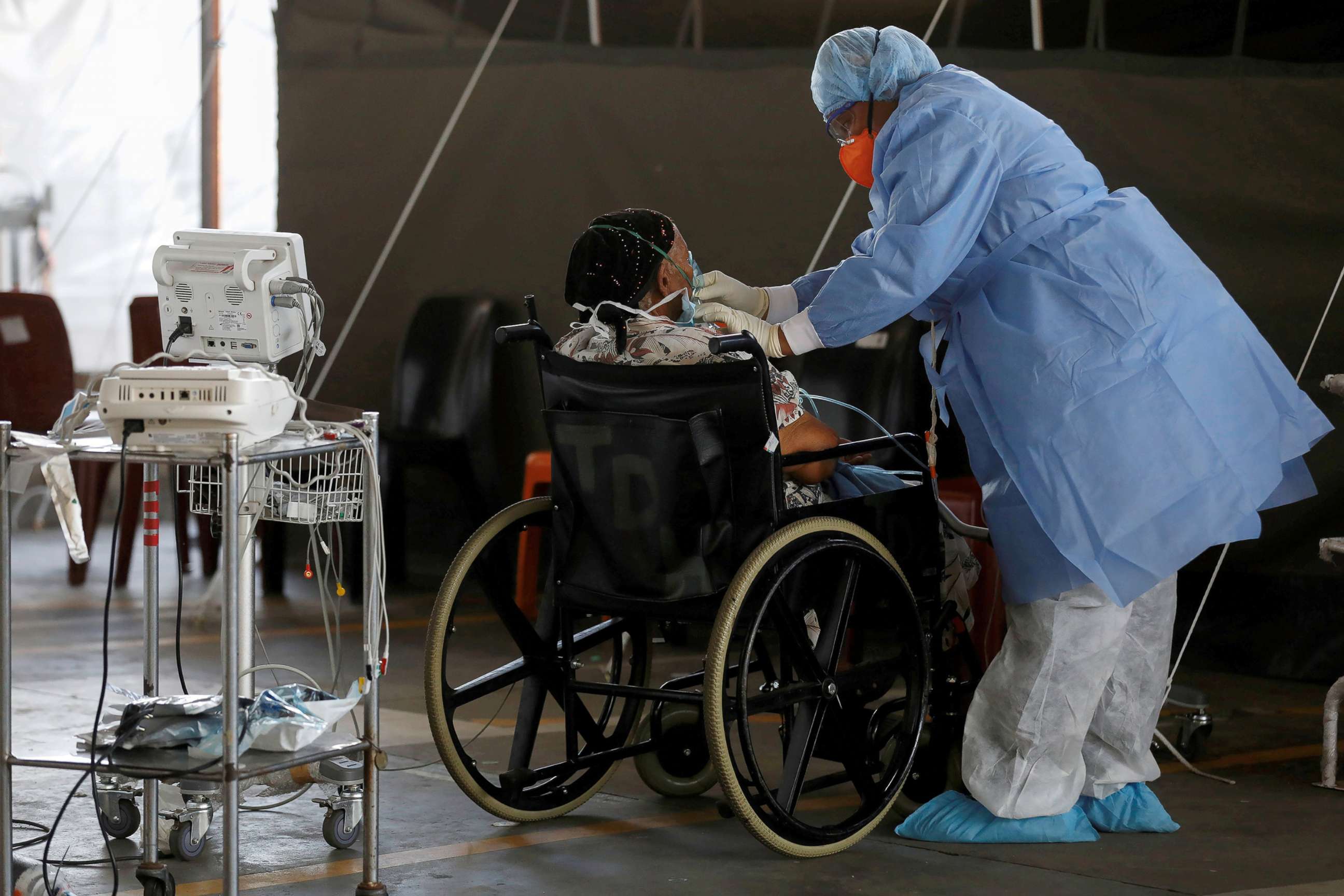
Researchers at the New York University Grossman School of Medicine studied blood samples of 310 patients admitted to NYU Langone Health with COVID for the presence of biomarkers that would indicate brain inflammation and damage. High levels of certain biomarkers were strongly associated with inflammation in the brain. Damage to the blood-brain barrier caused by inflammation can result in the brain's inability to send messages from the brain to other parts of the body.
"So far, our efforts offering supportive therapies have shown improvement, but the recovery time is still measured in months. Finding a cause and mechanism for these inflammatory changes in the brain would be the first place to start in addressing how to reverse or prevent these inflammatory changes," said Gut.
Researchers from the University of Thessaly reviewed the cognitive function and overall health of 32 patients with mild to moderate COVID infection two months post-hospitalization and found that more than 50% experienced cognitive decline, particularly with short-term memory. They also found that poorer memory and thinking scores were associated with lower level of oxygen saturation during a short walk test.
"Many of the cognitive changes that we see mirror in many ways Alzheimer's disease or PTSD," said Gut. "What is becoming clearer, is that the severity of acute infection does not directly predict neurocognitive changes after the acute phase has passed. We have many patients that had mild infection or illness struggle severely with memory or behavior changes."
Odelia N. Lewis, M.D., is a recent graduate of SUNY Downstate's Family Medicine Residency Program and a contributor to the ABC News Medical Unit. Sony Salzman is the unit's coordinating producer.