Experts weigh in on how COVID vaccines may help long-haulers
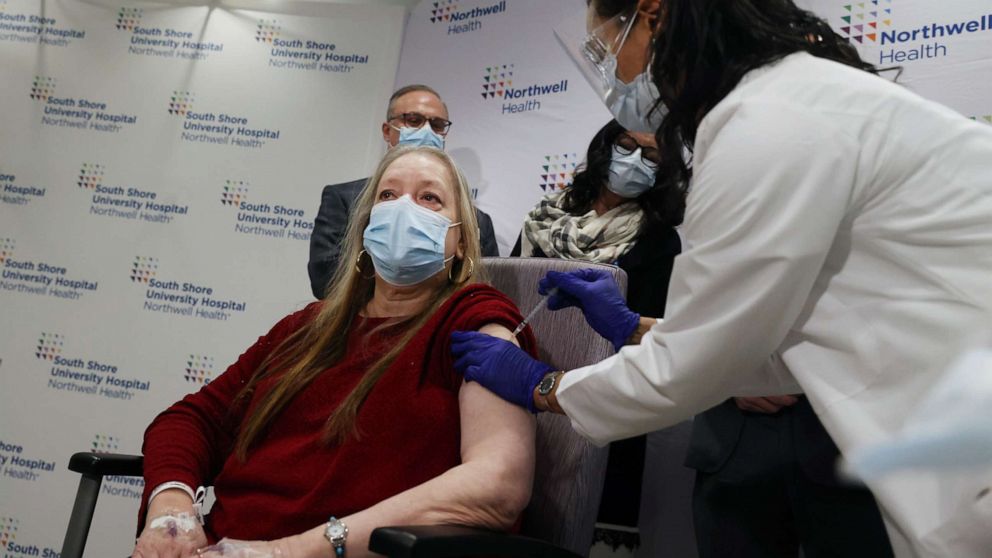
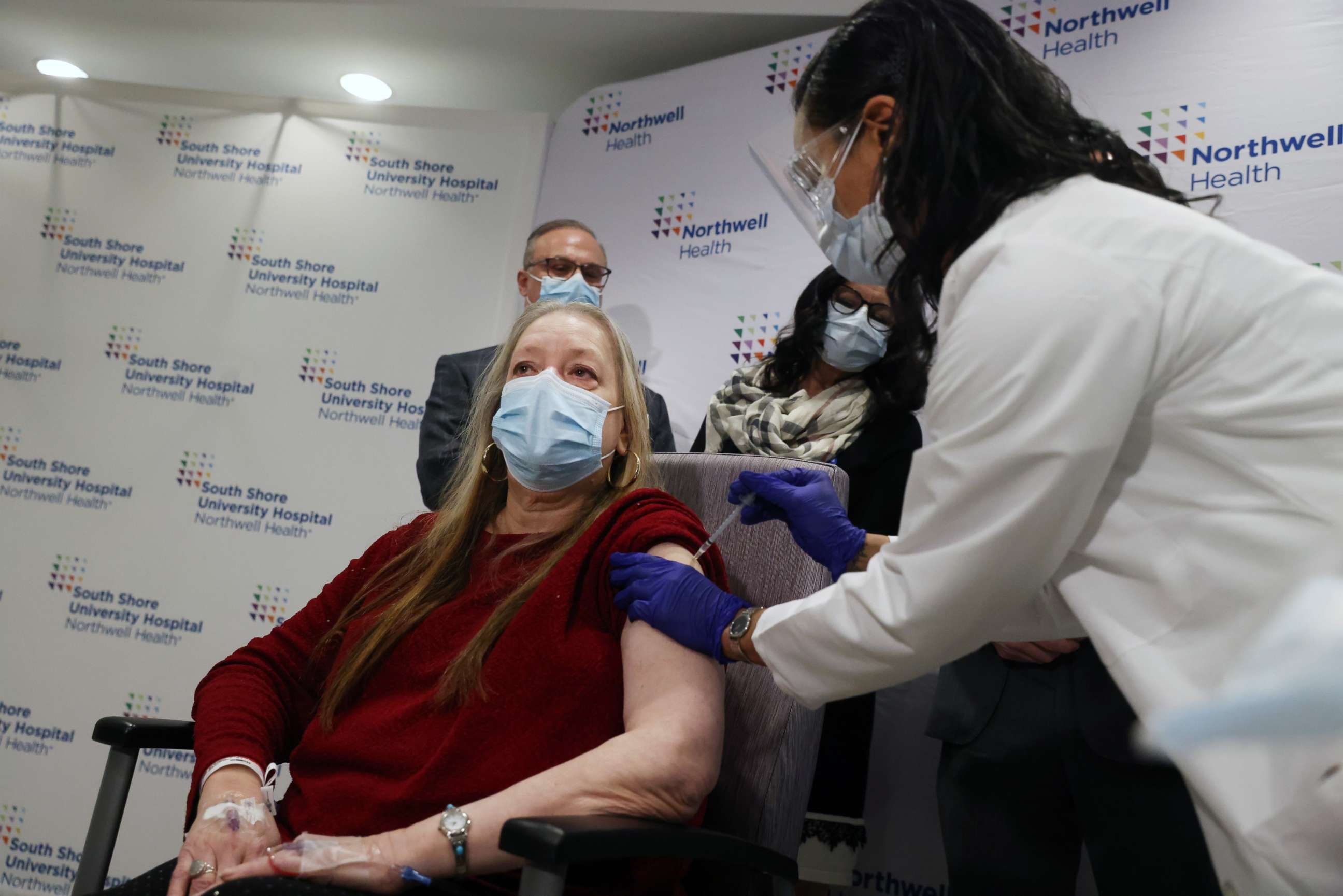
As COVID-19 vaccination access broadens across the country, some people who suffer from long COVID, also known as long-haulers, have reported relief after getting their vaccine. Now, researchers are working to understand whether a vaccine might help people with long-term symptoms -- and why.
Solving this mystery may unlock the secrets of long COVID and even suggest therapies for a host of similarly elusive conditions.
With almost 30 million coronavirus cases across the country, long COVID has emerged as an increasingly pressing issue.
"Even if we are able to contain the spread of the virus, there are already millions of people with long-term symptoms," said Dr. Akiko Iwasaki, a Yale immunologist.
Dr. Jennifer Frontera, a neurointensivist at New York University who studies long COVID, agreed that the number of long haulers is likely "on the order of millions."
Last year, Iwasaki proposed several possible causes of long COVID, which she now says may explain why a vaccine can help.
According to one theory, long COVID may result from a long-term viral infection or from viral fragments in the body, which the vaccine could drive the body to destroy, said Iwasaki.
"Once you do that, you cure the symptoms by eliminating the source of the problem," she said.
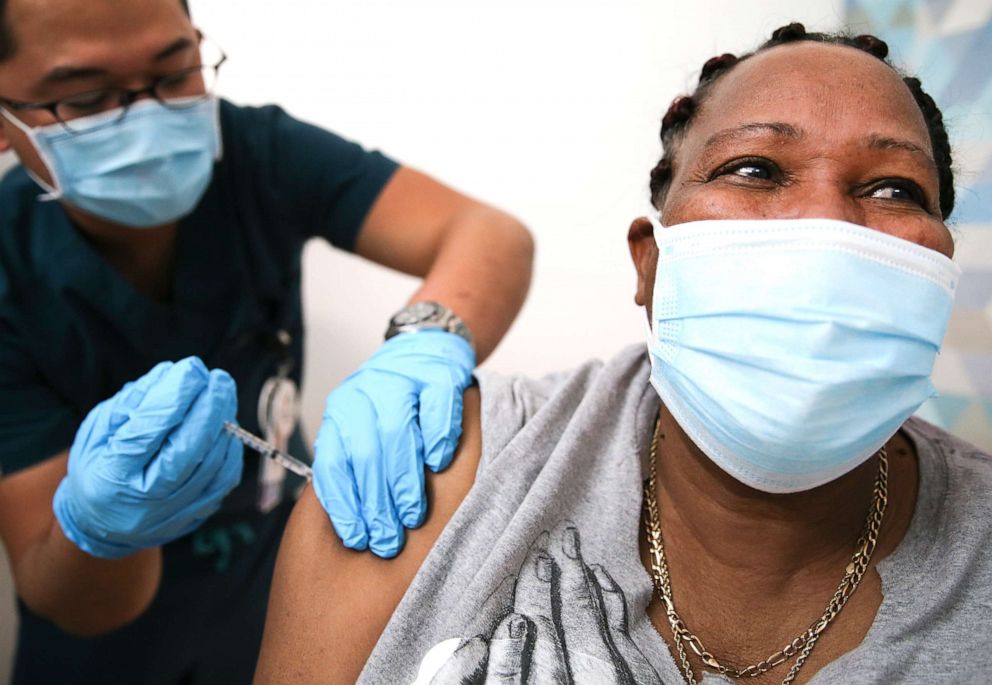
But another theory posits that long COVID is an autoimmune response, in which the immune system attacks the body's own cells, said Iwasaki. If so, the immune response triggered by the vaccine may divert immune cells that had been attacking body cells.
"These are not mutually exclusive," said Iwasaki. "A person can have a persistent virus and autoimmunity."
Some scientists, like immunologist Dr. Nancy Klimas, wonder if long COVID is caused by old viruses that stay in the body but are typically held in check, like infectious mononucleosis. She speculates that COVID damages the immune system and lets these viruses loose. The vaccine may then "restore a normal antiviral response, so long-haulers can effectively prevent latent viruses from reactivating," said Klimas.
Other experts, like Frontera, suggest that it is best to understand why long COVID happens before thinking about how a vaccine might help.
"Once we understand that, maybe you could try to hypothesize about some antibody or T-cell response to a vaccine that might ameliorate long COVID symptoms," Frontera said.
Dr. Paul Offit, a vaccine expert at the Children's Hospital of Philadelphia, emphasized that the only way to know if a vaccine helps ease long-term symptoms is to design "a controlled study so the person doesn't know whether they're getting vaccine or not." This is to rule out what is called a placebo effect.
A placebo effect is possible, said Frontera, and in general, many sick people start to feel better after getting any treatment, even if there's no biological reason it would help.
While nobody can currently say if or how the vaccine alleviates long COVID-19, experts agree that long-haulers should get the vaccine if possible.
"My advice to long-haulers is to get the vaccine, not because of this, but because they should anyway, and if they get this as a bonus, I want to know," said Klimas.
"There are lots of reasons for people to want to get the vaccine," said Dr. Harlan Krumholz, who conducts outcomes research at Yale. "And plus, it's got the additional thing that some people seem to get better."
Experts also agree that more research is critical.
"Finding out the cause of these long-term symptoms would really help the patients with respect to everything: diagnosis, treatment and prognosis," Iwasaki said.
"We are looking at the serum of long COVID patients to see whether we can find autoreactive antibodies and T-cells," added Iwasaki. "We're also planning to look at the responses of long COVID people getting the vaccine to see what kind of immunity they are mounting."
Meanwhile, Frontera has been investigating how many COVID patients develop long-term symptoms and whether they experience relief after vaccination. She highlighted the importance of people participating in research.
"Please participate in whatever clinical studies you might be eligible to," she said. "We need everybody to help out to try to get to the bottom of this."
Research into long COVID and how the vaccine affects it could have far-reaching effects.
"If the vaccine drives up the antiviral response in a nonspecific way, that would be very good for a lot of patients, not just long-haulers, but also cancer patients and people whose immune systems have been dinged in some way," said Klimas.
Krumholz added, "Understanding this may unlock the secret to the treatment of some other post-viral conditions or some other autoimmune or viral-mediated conditions, so this could help science in ways beyond the pandemic."
Maia Ou, M.D., a resident physician in psychiatry at Zucker Hillside Hospital at Northwell Health, is a contributor to the ABC News Medical Unit.