Autism Plus Mental Illness Affects Disorder's Course, Study Says
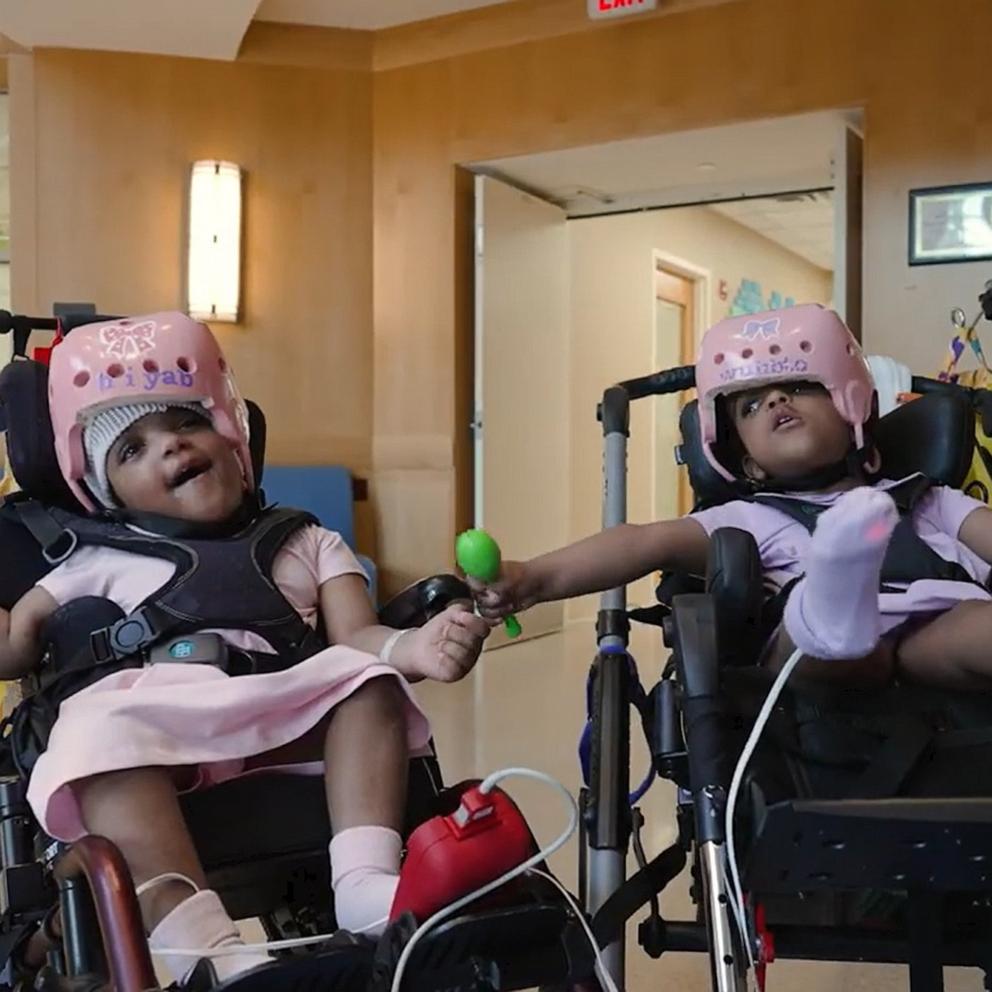
Jan. 23, 2012— -- Susan Elmer juggles the many needs of her 15-year-old son, Timothy, who has lived most of his life with Asperger's syndrome, a condition considered on the spectrum of autism disorders.
The telltale signs of Asperger's -- which include communication difficulties, obsession with narrow subjects and a difficulty picking up on certain social cues -- make crucial activities like learning in a school setting a challenge.
But for Timothy, it's not just Asperger's. Elmer said doctors have also diagnosed Timothy with learning disabilities, bipolar disorder, and attention deficit and hyperactive disorder.
Elmer, who is president of the Families for Autistic Children Education and Support in Ventnor, N.J., said she's never been sure whether Timothy's problems come from this combination of disorders, or whether they can be attributed wholly to his autism spectrum disorder.
"I've always wondered how much should I go looking into these other diagnoses or just lump them under Asperger's," she said.
The difference? According to a new study, additional mental disorders, such as learning disabilities, speech problems and epilepsy, could help predict which children might grow out of their autism diagnosis as they age.
In other words, if Timothy's challenges come from conditions other than his Asperger's, his doctors may be able to treat these other conditions and improve his chances of a normal life.
Researchers at the Johns Hopkins Bloomberg School of Public Health studied more than 1,300 children who had been diagnosed with autism. The researchers found that certain disorders distinguished children who had a current autism diagnosis from those who had fallen out of the autism category as they aged.
The disorders varied for autistic children of different ages. In children ages 3 to 5, those with autism were 11 times as likely to have a learning disability and nine times as likely to have a developmental delay as those children who had grown out of an official autism diagnosis.
Autistic children ages 6 to 11 were nearly four times as likely to have past speech problems and 3.5 times as likely to have moderate to severe anxiety.
Autistic teenagers were 10 times as likely to have seizures or epilepsy as children who were no longer classified as autistic.
The symptoms of these different disorders greatly overlap with the symptoms of autism, which is defined by a broad spectrum of behavioral, social and communication deficits. But the researchers say the study suggests that separate diagnoses of learning disabilities or speech problems appeared to predict which kids would continue to be autistic and which ones might grow out of the diagnosis.
"This doesn't mean that a child who has a co-illness is definitely going to change their diagnosis status," said Heather Close, one of the study's authors. "But we were able to establish some associations with different disorders."
Lori Warner, director of the HOPE Center for Autism at the Beaumont Children's Hospital Center in Royal Oak, Mich., said that kind of information could prove valuable to therapists studying and treating autistic children.
"We're always looking for anything that helps us potentially predict who's going to continue to have a diagnosis and who won't," she said.
It's not uncommon for children to grow out of an autism diagnosis as they age. One study found that 40 percent of children who had been diagnosed at some point no longer fit the disorder's criteria years later.
Having an actual diagnosis of autism means a lot for parents who must navigate a complicated system of treatments, educational support and social services to help their children succeed. A child who has a diagnosed speech problem will have different treatment and support options than a speech-challenged child with only an autism diagnosis.