Fecal transplants, probiotics and the microbiome: What you need to know
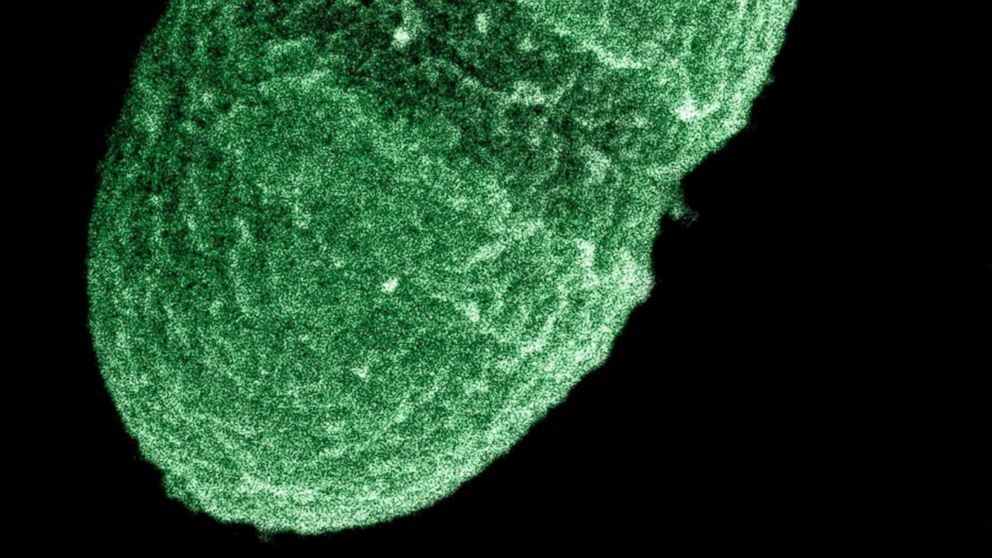
The human body is host to an ecosystem of microorganisms living most prominently within our digestive tract, which many people know as the microbiome.
While most of these microbes are harmless or even helpful to us, an imbalance within this complex community has been linked to conditions like inflammatory bowel disease, irritable bowel syndrome, and even obesity, diabetes and allergies.
Research on the microbiome has exploded over the last decade, with colossal projects as diverse as The Human Microbiome Project, which catalogs thousands of genomes for researchers to study, and American Gut, which gives the public an opportunity to discover their microbiome and compare it with others. Even NASA has gotten onboard the microbiome train, studying how being in space impacts astronauts’ microbiomes.
What exactly is the gut microbiome?
The gut microbiota are all the microscopic organisms living in our digestive tract, including bacteria, viruses, fungi and other small organisms. While some people might call the collection of these microorganisms a microbiome, the term is actually meant to connote the full collection of DNA among these microbes.
We are colonized at birth with gut microbiota, and our microbiome then changes throughout our lives as it adapts to the foods we eat, the illnesses we have, the medications we take and other environmental stressors. The exact composition of our microbiomes is unique to us because of this complex history. We host hundreds of species of bacteria, but many of them belong to the Bacteroidetes and Firmicutes phyla.
Our microbiome’s cells outnumber our own cells 10 to one and collectively have more than 100 times our own DNA. But, much like our own world, there are some places that have more organisms and there are microenvironments in our gut that change the microbiota as well. The amount of bacteria increases the further along the digestive tract you go.
How does the gut microbiome affect your health?
The human gut microbiome plays important roles in metabolism, nutrition, immune function and physiology. For example, bacteria produce vitamin K, which is important for creating blood clots. They also help us reabsorb bile from our intestines to metabolize fats and absorb minerals, such as iron, calcium and magnesium. They also help us to metabolize large, non-digestible sugars, including some starches, cellulose and gums from plants.
More surprisingly, bacteria help the lining of our digestive tracts grow and they help develop our immune systems, leading some to hypothesize that an environment that’s too sterile can contribute to the development of allergies.
Our microbiota even protects us from getting infected with other bacteria that can cause disease by competing with them for space and nutrition. An imbalance of the microbiota — known as dysbiosis — has been implicated in many conditions, including diseases of the digestive tract, such as irritable bowel syndrome and inflammatory bowel disease, as well as obesity, diabetes and heart disease.
Are probiotics beneficial to the body?
While we are all familiar with how antibiotics help us to rid the body of disease-causing bacteria, we know much less about the role of probiotics — live microbes that we consume in an effort to improve health.
Probiotics can be found in yogurt, kefir and other fermented foods, and they are often sold as supplements, too. The most well-established benefit of probiotics is to treat and even prevent diarrhea associated with antibiotic use and infection, especially for rotavirus in children. The most commonly used probiotic groups are Lactobacillus and Bifidobacterium. Aside from these benefits, some research has shown probiotics might enhance immune function and decrease inflammation, however, it hasn’t been conclusive.
Are fecal transplants real and what do they do?
Fecal microbiota transplantation (FMT) is a therapy in which healthy gut bacteria are delivered from one person to another through the transfer of stool. The transplant is delivered through either colonoscopy, a tube inserted in the nose and ending in the bowel, a retention enema, or a capsule.
FMT is most successful in the treatment of colon infections with C. difficile. This infection typically causes diarrhea in people taking antibiotics and is usually treated with different antibiotics. However, 25 percent of people will have a repeat infection after antibiotics. Repeat infections can be difficult to treat, and a 2013 study found that fecal transplantation is more effective than antibiotic therapy when someone has already been treated for recurrent infections.
More research is being done regarding FMT for chronic diseases, such as inflammatory bowel disease, but there have been varying results. Notably, studies suggest that FMTs from certain donors are particularly successful. These so-called "super donors" tend to have more diverse microbiomes.
Dr. Tiffany Truong is a resident physician in internal medicine in Houston and a member of the ABC News Medical Unit.