Microbiome Research Just Got a Mega Infusion of Government and Private Funding
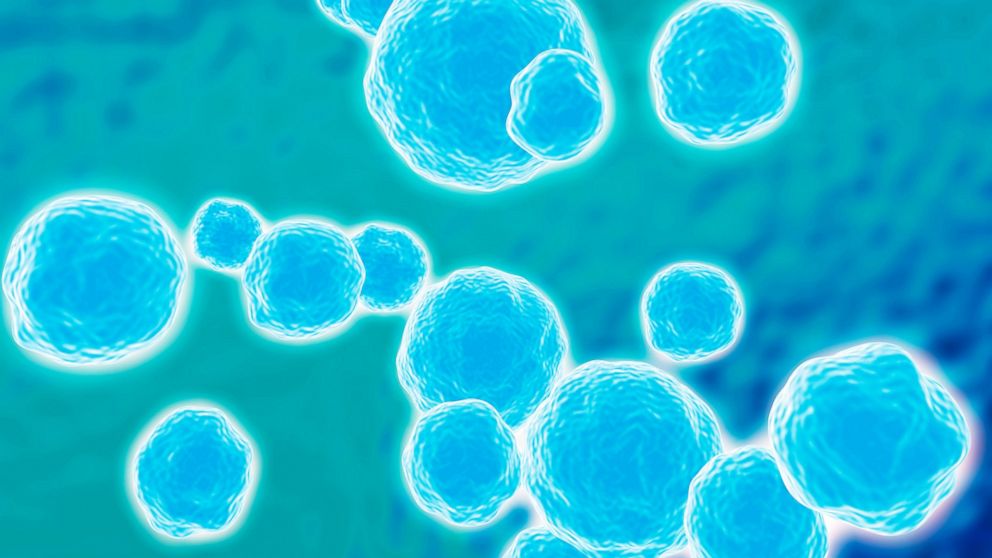
— -- The Obama administration announced a $121-million National Microbiome Initiative today to study how microscopic organisms that live all over the environment -- and our bodies -- can impact our health, climate and food security.
The U.S. government had previously invested more than $900 million between 2012 and 2014 in microbiome research. This initiative will now invest another $120 million of federally funded research in addition to $400 million in new commitments from non-governmental groups.
Over 160 organizations, including NASA, the Department of Energy, the Bill and Melinda Gates Foundation, and the Department of Agriculture, are collaborating to answer fundamental questions about the microbiome: the community of micro-organisms that perform essential functions like influencing our weight and helping us breathe.
“This will change the future of the microbiome," Jo Handelsman, the associate director for Science and Technology at the White House, said during her keynote address today.
Collaborators hope that by bringing together experts wearing a variety of different hats, they will reveal the science behind big questions like how the ocean's microscopic ecosystem changes after an oil spill, how climate change impacts the risk of developing allergies, and how tiny microbial changes can lead to chronic diseases like diabetes and asthma, according to a statement released by the White House.
“Microbes touch everything in the biosphere,” from human health to biofuels, said Dr. Martin Blaser, director of the NYU's Human Microbiome Project. “This is a new area of discovery that will affect the life of future generations.”
And while this micro-approach may offer insights that have evaded scientists tackling these issues for years, “It’s not going to all happen in one day,” Blaser said.
But the long-term frameworks researchers may gain will be worth it, he said.
“It is a scientific frontier,” Blaser said. “It is important to develop tools and experimental systems ... necessary for the analysis.”
Dr. Atish Chopra is Chief Resident in General Surgery at the University of Texas Southwestern Medical Center. He is a resident in the ABC News Medical Unit.