Flattening the coronavirus curve: It's happening, but it's not over yet
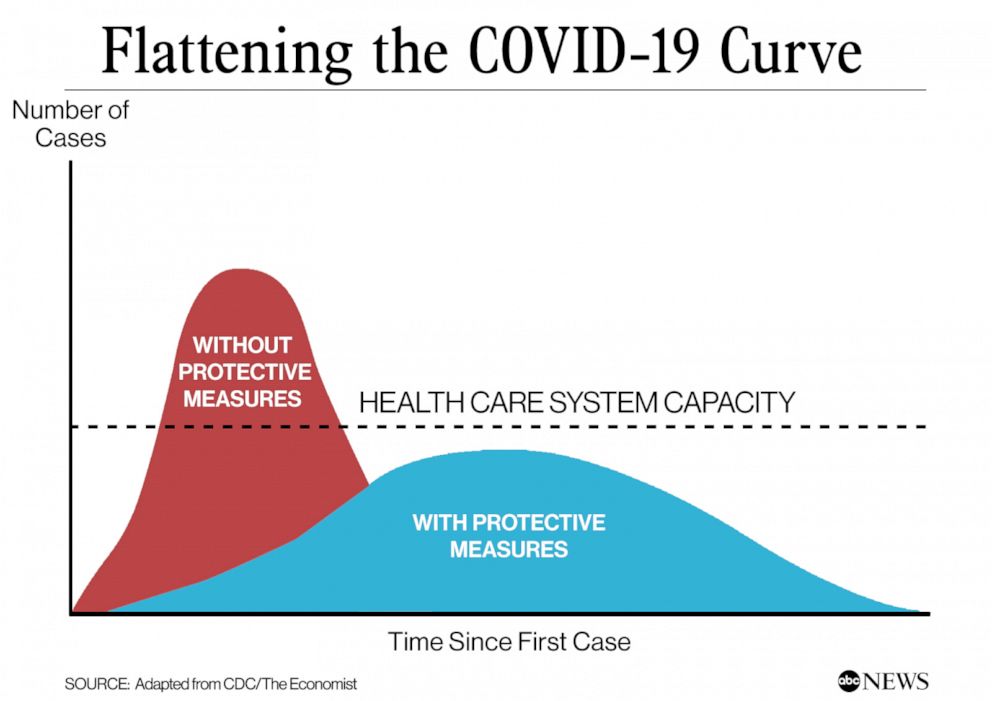
When it comes to COVID-19, social distancing has many benefits for our collective health -- but it also brings burdensome consequences for the economy. While distancing is a critical tool that "flattens the curve," it's a temporary measure to curb the pandemic while more durable solutions are implemented.
As some states near an infection "plateau," public health experts are stressing that we still must continue to socially distance -- no matter the challenges it brings.
“It appears that we have a plateau. It is flattening. It’s the flattening of the curve,” New York Gov. Andrew Cuomo said this week. “The increase has slowed down; it flattens out for a period of time. Nobody knows how long, because nobody's been here before.”
Dr. Pia MacDonald, lead epidemiologist at the non-profit scientific research institute RTI International, explains that flattening the curve doesn't necessarily mean it's safe to ease social distancing measures.
“Flattening the curve for the people of New York means that anyone who gets sick with COVID-19 and requires hospitalization will have access to a bed,” said MacDonald. At this point, flattening the curve just means that hospitals will not be overwhelmed by a sudden influx of patients.”
But it doesn’t mean we can go back to life as normal just yet. As experts warn that we're not ready to abandon social distancing, many have pinned their hopes on two scientific techniques that have helped quell epidemics in the past: track and trace, and vaccination.
Dr. Eli Fenichel, a resource utilization economist at Yale University, says there are many things that determine what our health system can handle, and it’s more complicated than just the number of hospital beds.
When schools are closed, for instance, this puts a strain on essential workers with children, from health care workers to grocery store employees to mail carriers, who may now need to stay home with their kids. If these workers stay home, it affects the bandwidth of critical resources, like hospital care and food.
Fenichel notes that there are many unintended, undesirable consequences of the strict social distancing we’re experiencing, including increased rates of child abuse and domestic violence.
“That said, not flattening the curve probably means orders of magnitude higher deaths … so it’s not an easy trade-off,” he said. “How we do the distancing matters as much as that we do some distancing.”
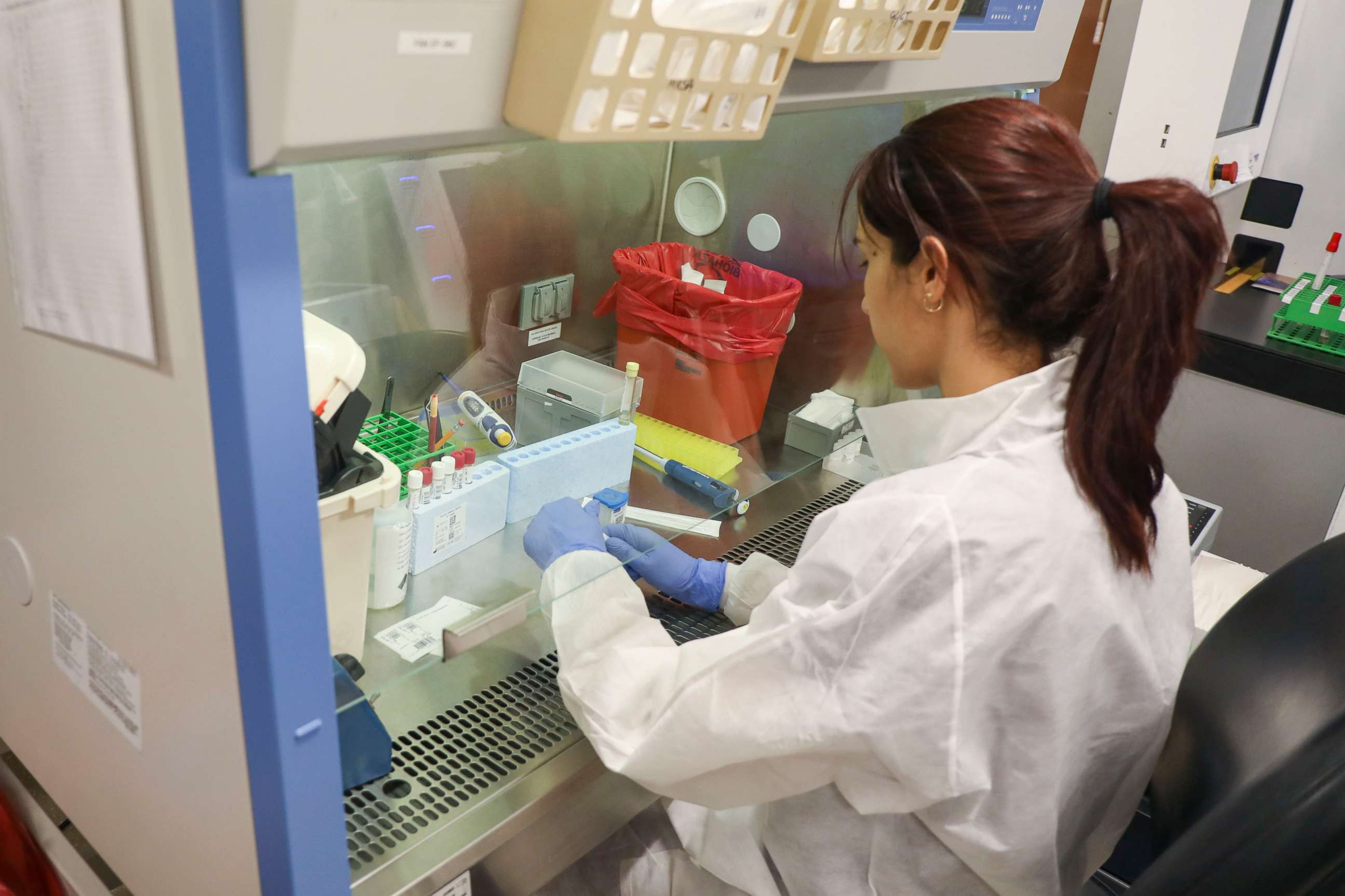
Despite the toll that social distancing takes, MacDonald said that it buys us time to build a sustainable way to control the pandemic, like a "track and trace" system. She warns that we are still not equipped to manage the disease outbreak without social distancing.
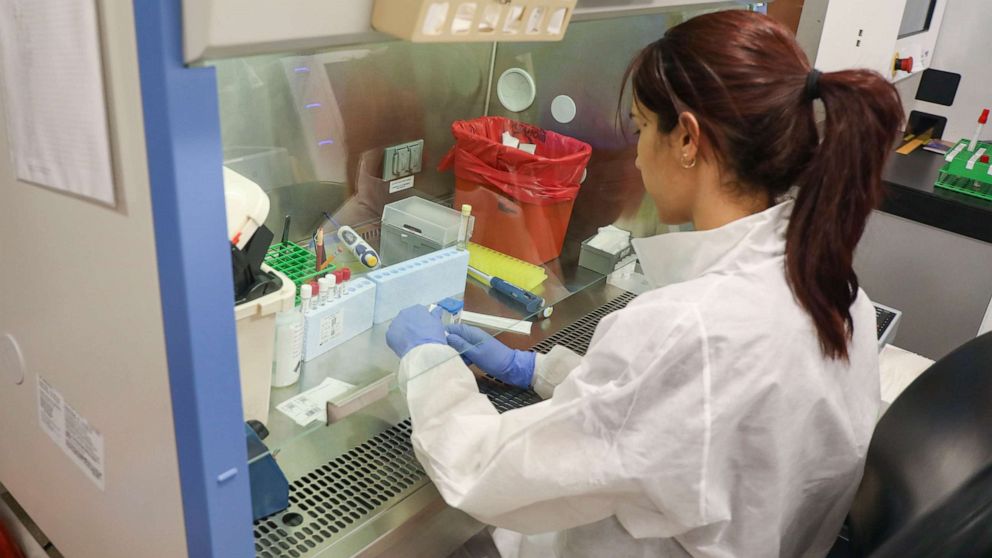
Historically, she explained, tracking individual cases has been a successful method: You quickly identify people who are sick and who they have exposed, and make sure these groups don’t spread the disease to anyone else. But this requires expanding our testing ability to help us identify cases, and ramping up a public health workforce to be able to track positive cases, which takes time.

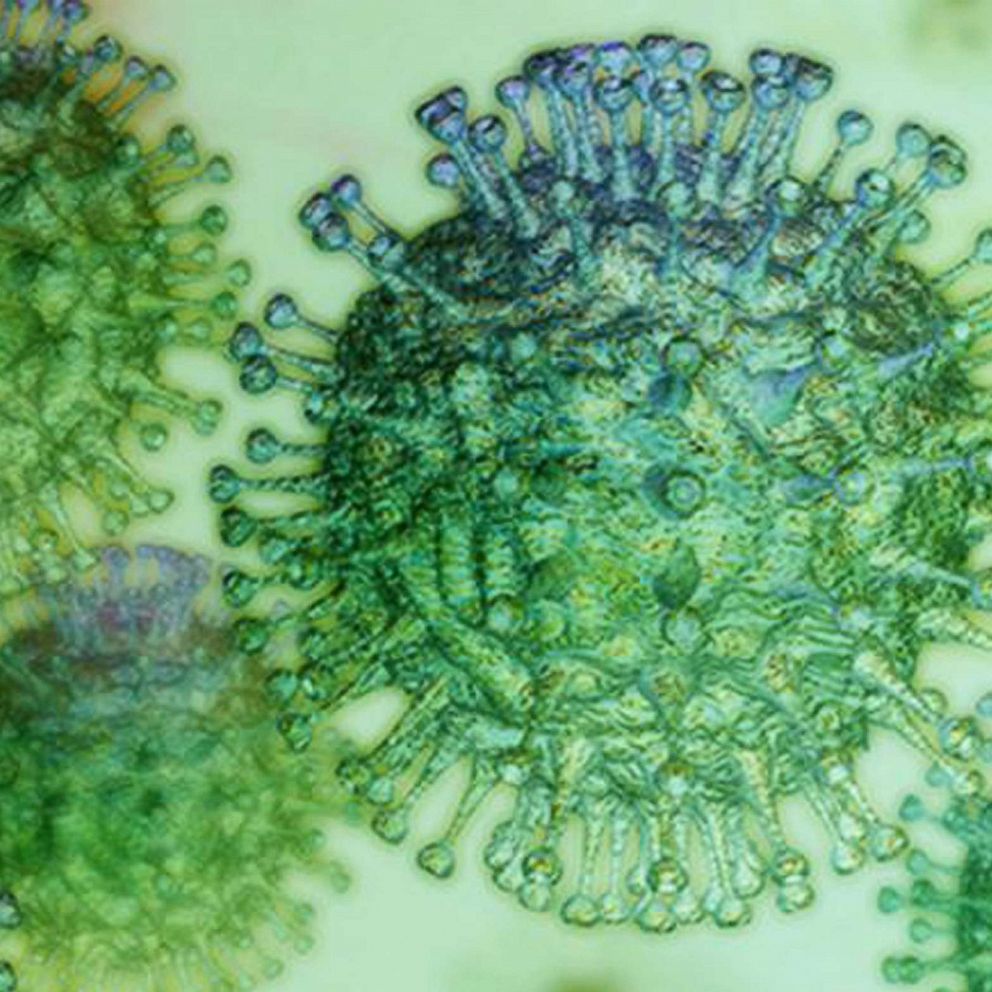
Another benefit of expanding our testing arsenal is that it could help us restart our economy, according to Fenichel. A test that could demonstrate immunity to the virus could allow people to return to work.
MacDonald emphasizes that distancing also buys us time to develop treatments and develop a vaccine. But Fenichel is concerned that we don’t have quite enough time for the trial-and-error of vaccine or drug development to yield meaningful results on American lives -- so he is hoping we can transition to a track and trace system soon, because we know it will work.
Heather J. Kagan, M.D., is an internal medicine resident physician at The Johns Hopkins Hospital and is a contributor to the ABC News Medical Unit. Lily Nedda Dastmalchi, D.O., M.A., is an internal medicine resident physician at The George Washington University and is a contributor to the ABC News Medical Unit.
What to know about the coronavirus:
- How it started and how to protect yourself: Coronavirus explained
- What to do if you have symptoms: Coronavirus symptoms
- Tracking the spread in the U.S. and worldwide: Coronavirus map
Tune into ABC at 1 p.m. ET and ABC News Live at 4 p.m. ET every weekday for special coverage of the novel coronavirus with the full ABC News team, including the latest news, context and analysis.