Why flattening the curve for coronavirus matters
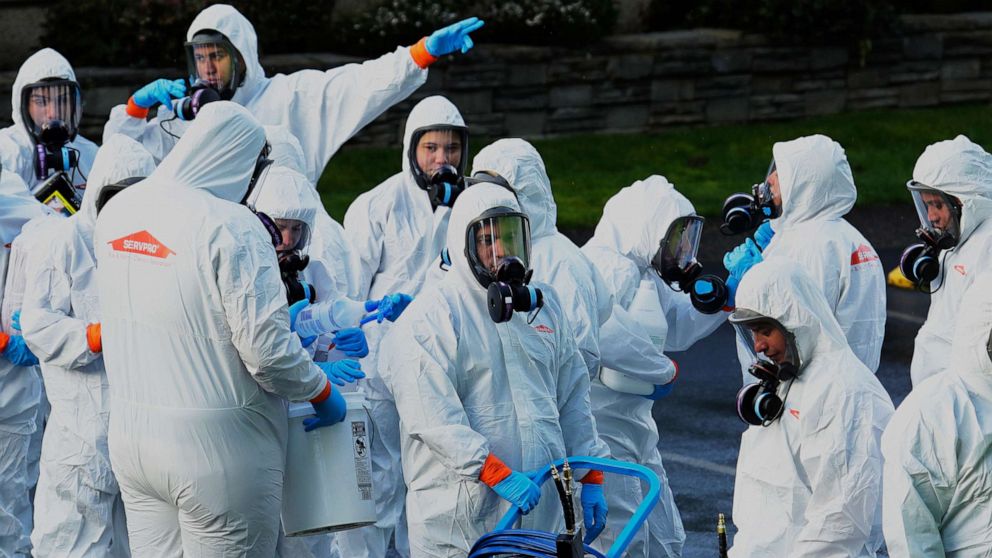
As COVID-19 spreads across the globe, anxiety and concern spread with it. This global pandemic has been marked by over 121,500 cases, with deaths climbing past 4,370 people and no end in sight.
Tune into ABC News Live at noon ET every weekday for the latest news, context and analysis on the novel coronavirus, with the full ABC News team where we will try to answer your questions about the virus.
The United States recently topped 1,000 confirmed cases, which may be an underestimation when considering those ill versus those who may be asymptomatic carriers. This number is just the tip of the iceberg.
To understand what may happen in the U.S., we can look at how COVID-19 propagated in other countries that had COVID-19 epicenters before the U.S. China for example makes up nearly 67% of the confirmed cases but despite that large number, the cases reported each day are finally starting to decrease.
In the natural course of infectious spread there is a sharp increase, a peak and a decrease. China appears to be in the downward part of the curve. However, Italy, Iran, and South Korea, the next three hardest-hit nations, are still in their upward trajectory. After viewing the situations in other countries, we now have the opportunity to flatten the curve of the pandemic. Flattening the curve is essentially introducing interventions such as social distancing, hand-washing, and lockdowns to reduce the potential spread of infection. The U.S., well behind these countries, can flatten the curve before reaching peak case numbers similar to those other countries.
Measures that we all can voluntarily engage in, such as social distancing and hand-washing can have a tremendous impact, potentially negating the need for more aggressive measures such as lockdown.
Dr. Simone Wildes, infectious disease specialist at South Shore Hospital in Boston, warns that “the lockdown can be utilized in reducing the spread of a disease for a short period of time, however, maintaining a lockdown can be challenging and can have significant impact on the social and economic landscape.”
There is a significant mental health component to consider as well. The Substance Abuse and Mental Health Services Administration emphasizes that “it [is] important to monitor the physical and emotional health of those affected as well as those responding to the needs of others.” Dealing with a crisis may evoke fear, may worsen chronic health problems, may cause changes in eating and sleeping patterns, may increase use of alcohol, tobacco, and other drugs, and may exacerbate existing mental health conditions.
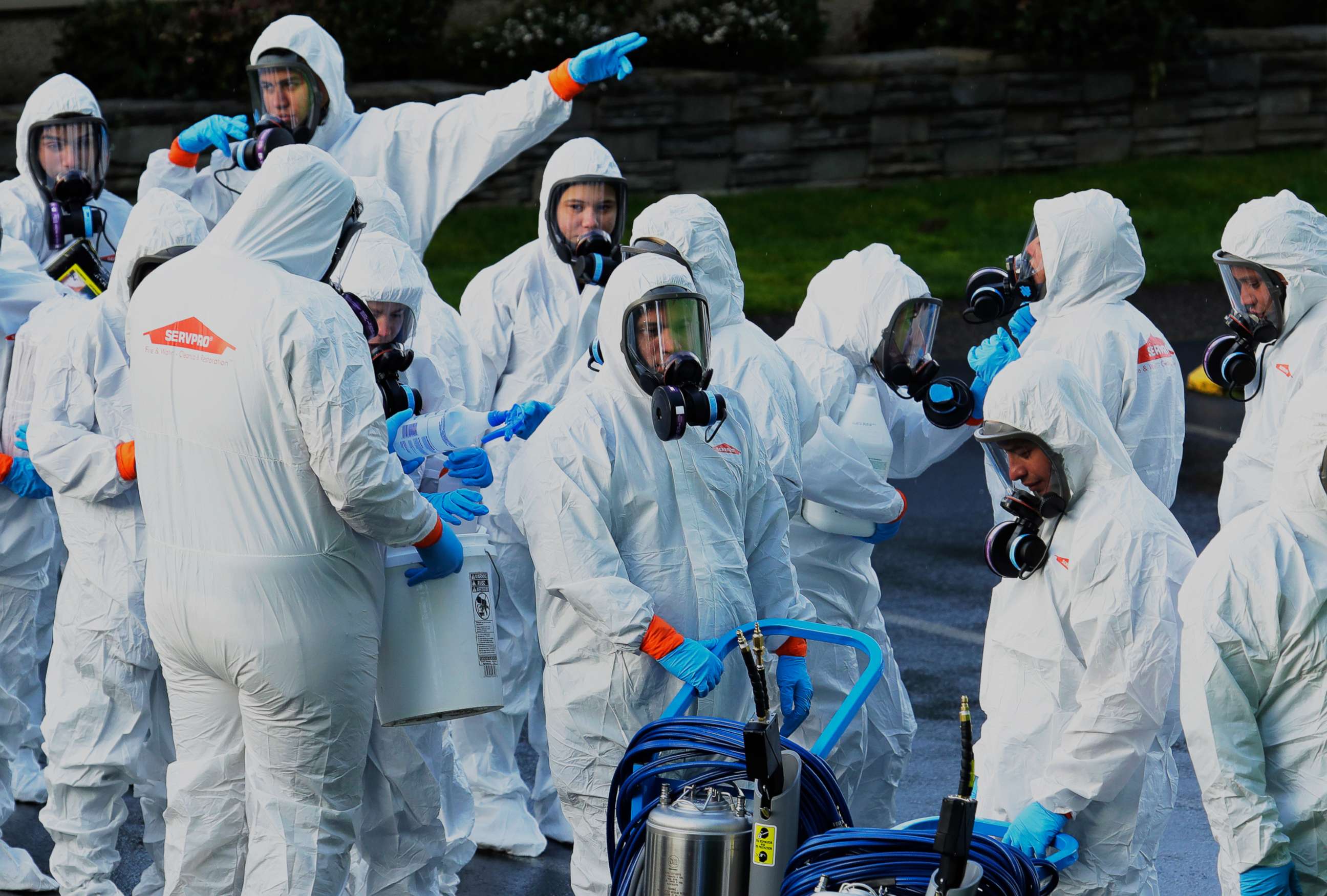
"You shouldn't turn your emotions off," said Paul Slovic, a University of Oregon professor specializing in risk perception. The key, he says, is to learn how to manage your emotions properly.
The CDC recommends to “connect with family, friends, and others in your community. Take care of yourself and each other and know when and how to seek help.”
Finally, when feeling overwhelmed, take a step back, especially away from social media, and reconnect with friends and loved ones.
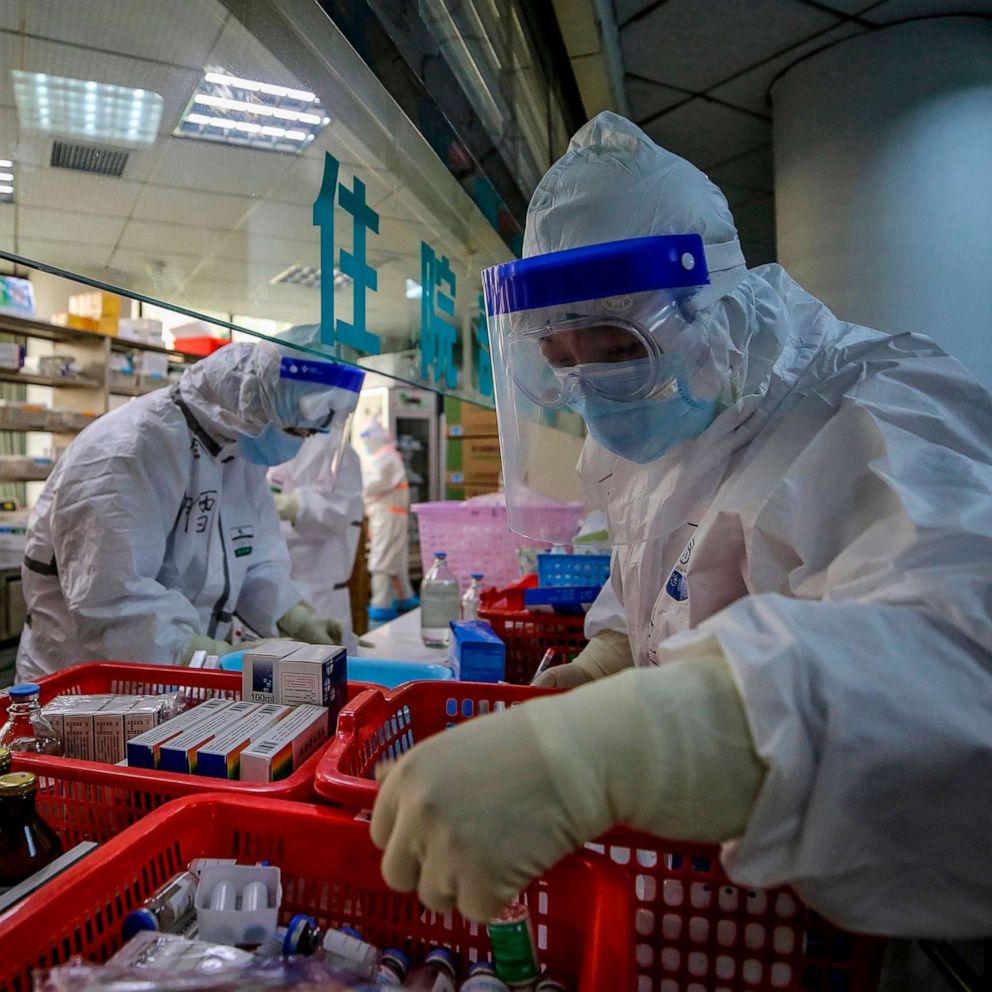
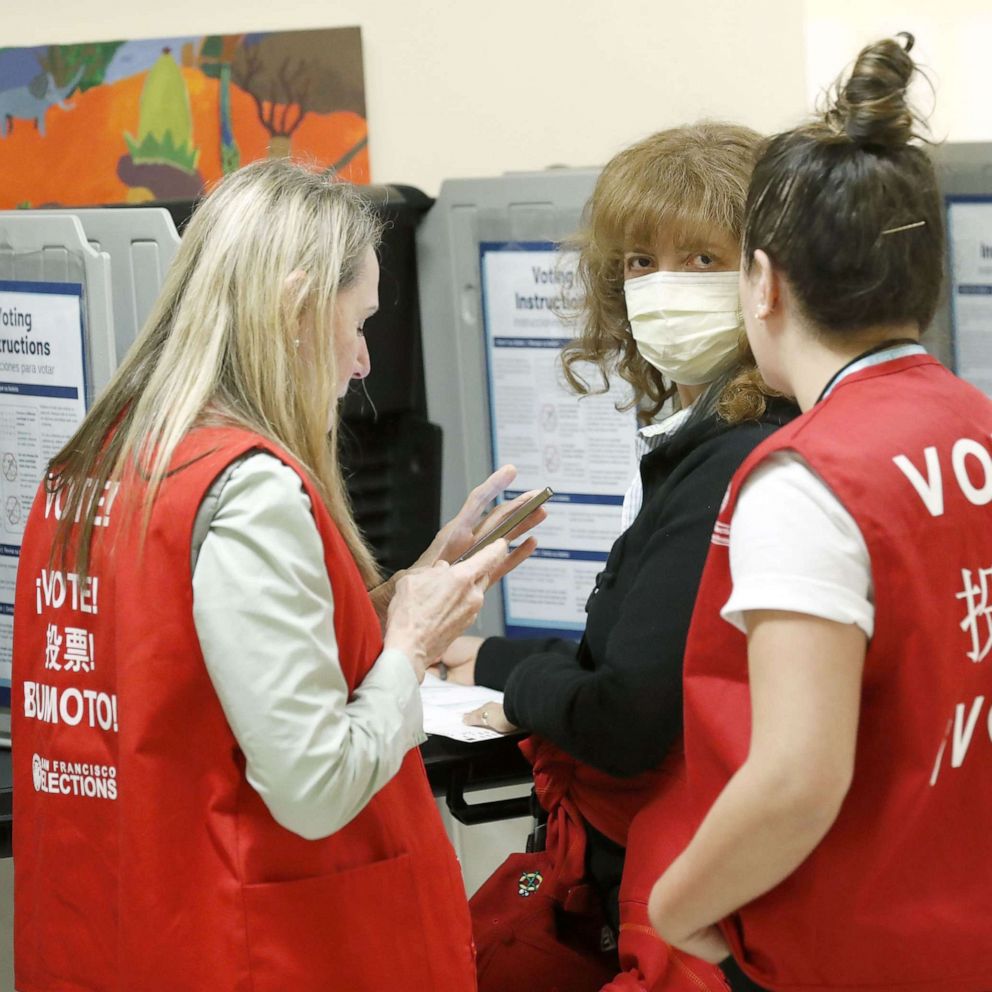
While there’s no doubt that anxiety is spreading with this pandemic, individuals should feel empowered that they can be the reason this pandemic flattens. If we can get ahead of the curve, we can potentially save thousands of lives, decrease the burden on the healthcare system, and buy researchers time to find a vaccine or cure.
Everyone has a role to play in flattening the curve. Dr. Wildes notes that engaging in, “respiratory etiquette, social distance and handwashing/alcohol based hand sanitizer,” are vital. If these tools are implemented consistently and appropriately they can help effectively flatten the curve.
Angela N. Baldwin MD, MPH, is a pathology resident at Montefiore Health System in the Bronx. Delaram J. Taghipour, MD, MPH, MBA is a Preventive Medicine Resident at Johns Hopkins Bloomberg School of Public Health. Both are contributors to the ABC NEWS Medical Unit.