Foods to eat and skip to increase chances for pregnancy
From in-vitro fertilization to miscarriages to infertility, trying to get pregnant can be a painful process for many women -- and their partners, too.
New research is shedding light on the role that food plays in fertility, and how it can affect not just your waistline but your chances of getting pregnant too.
A Harvard University review published in the American Journal of Obstetrics and Gynecology took a rigorous look at the existing data studying the connection between nutrition and fertility.



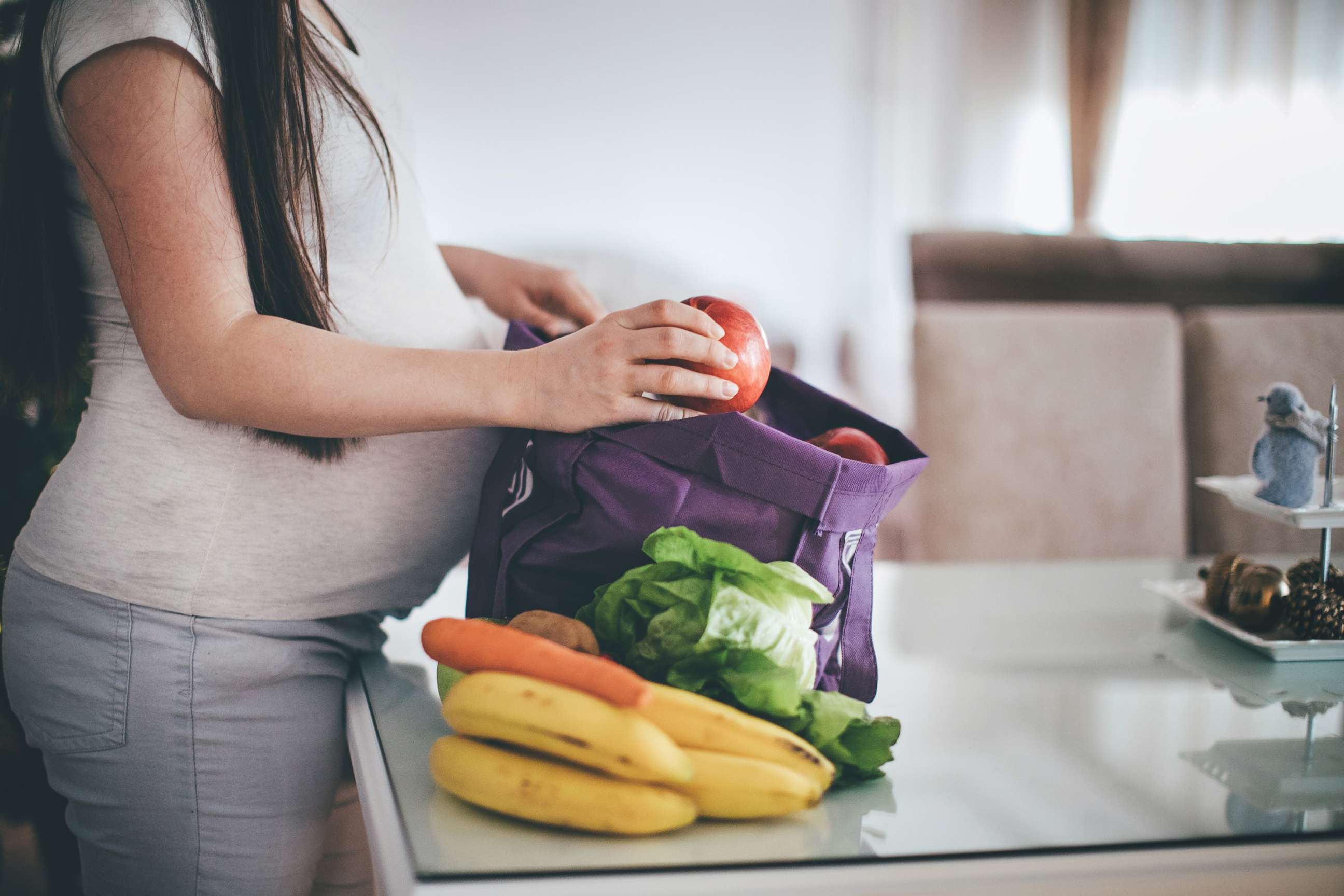
Overall, the review found that following a diet heavy in fish, poultry, whole grains, fruits and vegetables is related to not just better fertility in women but also better semen quality in men.
The research on the link between nutrition and fertility is not advanced enough to be definitive, according to ABC News Chief Medical Correspondent Dr. Jennifer Ashton, a nutritionist and ob-gyn.
"The field of nutritional science is still in its infancy so caution is advised against placing undue importance on one dietary element over another," Ashton told "GMA." "Also fertility is a complex process that involves many factors and is not as simple as adding or avoiding a particular food."
With that in mind, here is a breakdown of the review's findings.
Fats
Trans fatty acids, the type of fats found in processed foods like doughnuts, cake mixes and margarine, are related to lower fertility.
Omega-3 fatty acids however, like salmon and nuts and seeds, can help increase fertility.
Dairy
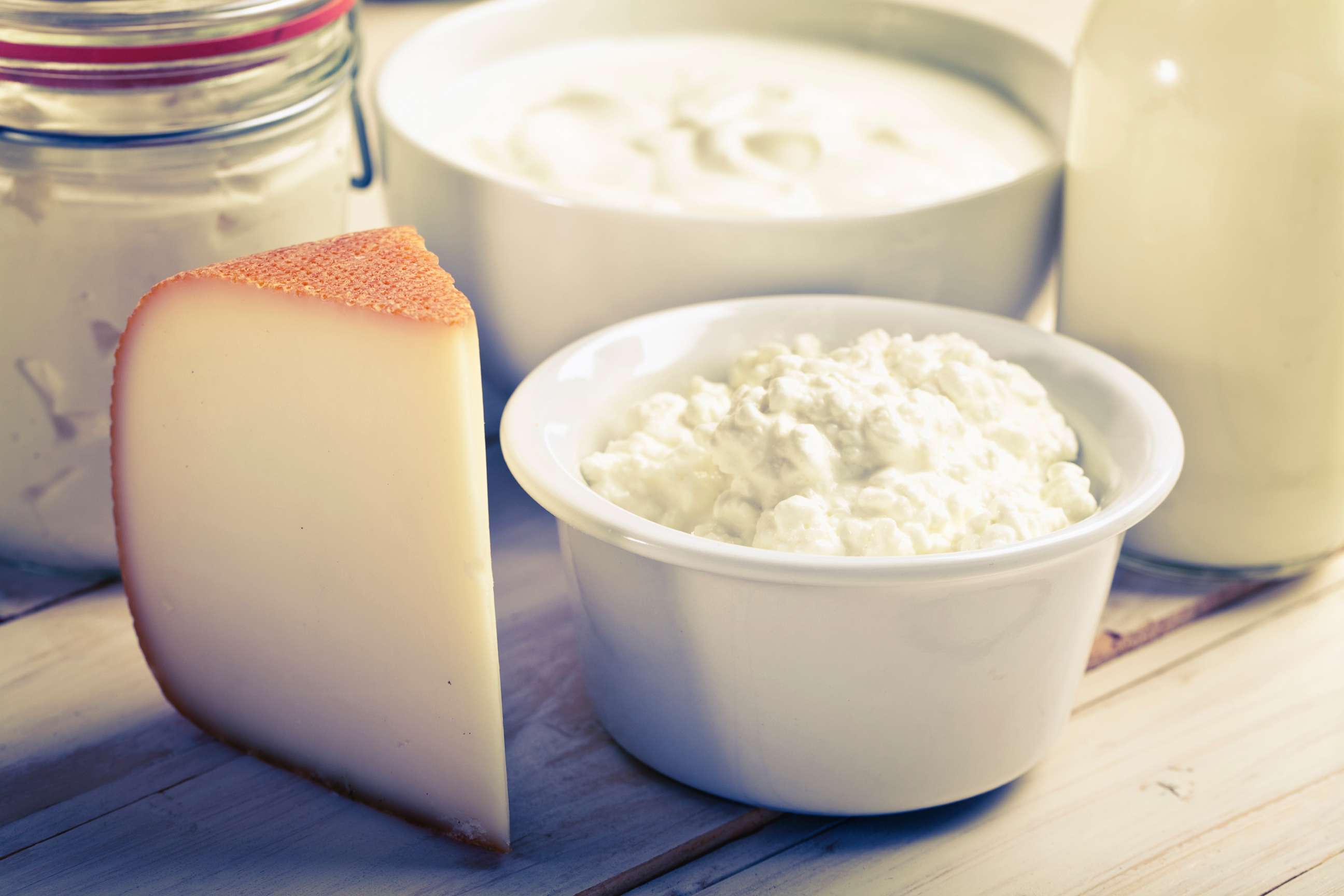
The bottom line is that dairy foods most likely do not have an important effect on fertility. Eating foods from yogurt to milk and cheese can't help, nor will it hurt, research shows.
Meats
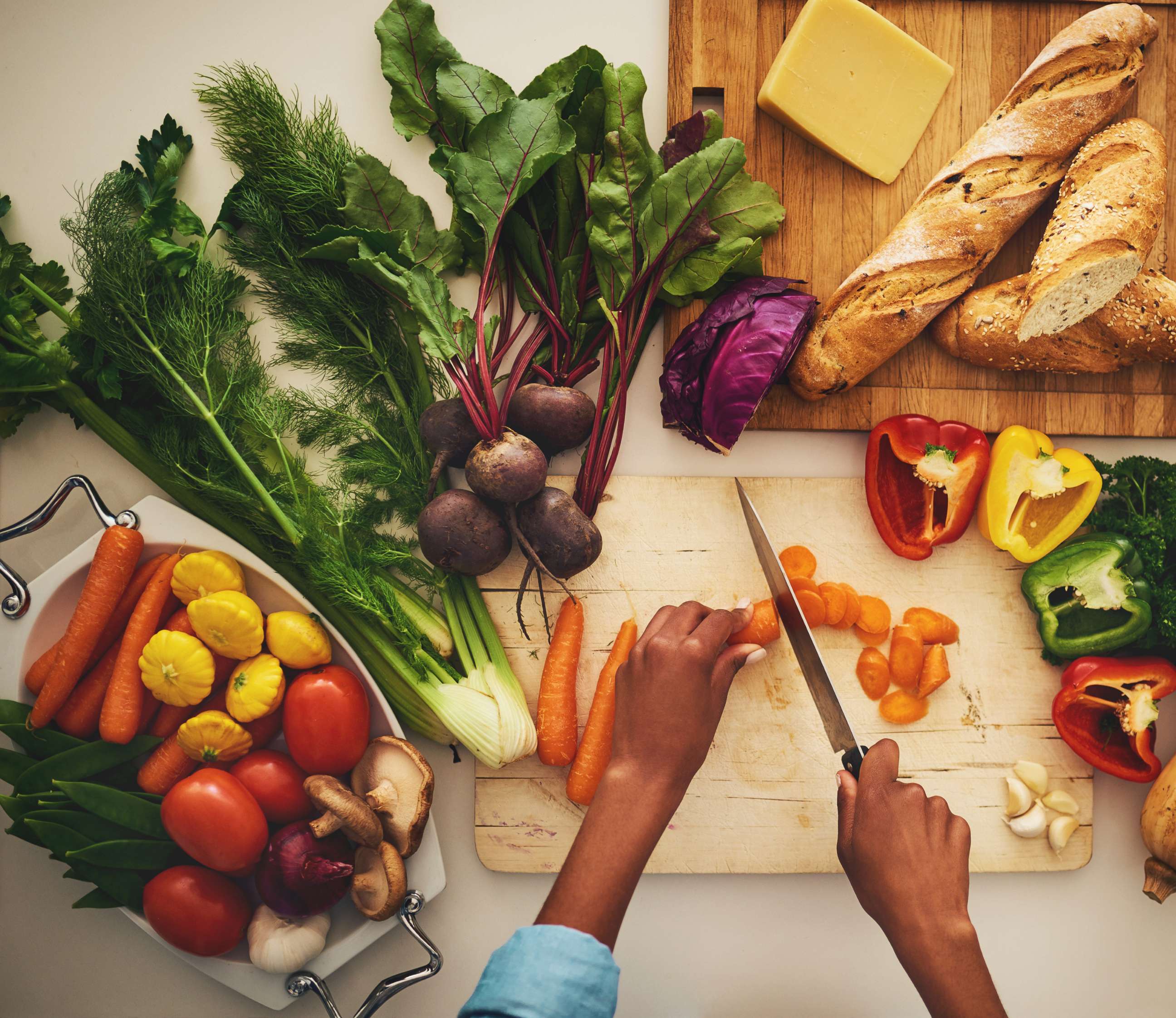
Eating red meats and fish with "high levels of environmental contamination may be of concern," according to the review. However, the researchers noted that more research needs to be done in this area.
Soy
Soy has been found to not help or hurt couples to conceive on their own, but there may be a positive effect on couples doing IVF.
Alcohol and caffeine
The Harvard review found that most "well-designed studies" did not find that higher intake of alcohol and caffeine would lower fertility.
Folic acid, found in leafy greens like spinach, as well as in beans, breads, cereal and pasta, may increase fertility rates for IVF.
What about men?
Men, of course, also play an important role in fertility and the Harvard review did not leave them behind.
Antioxidants were shown to help men who are part of a couple undergoing fertility treatments. The exact doses or types of foods that may have contributed have not yet been identified by researchers, however.
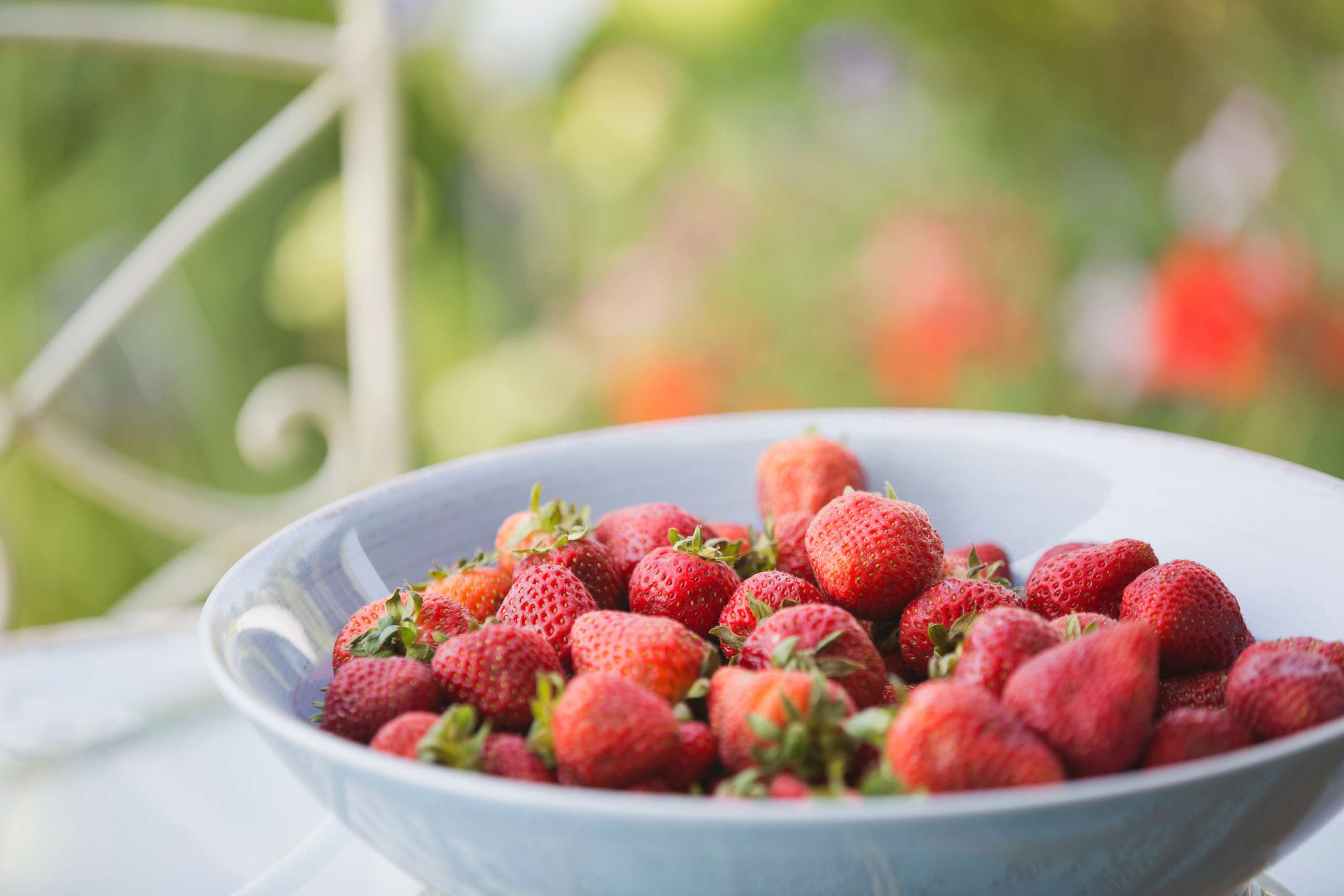
The best bet for men is to get antioxidants from food sources, including dark chocolate, berries and citrus fruits, researchers said.
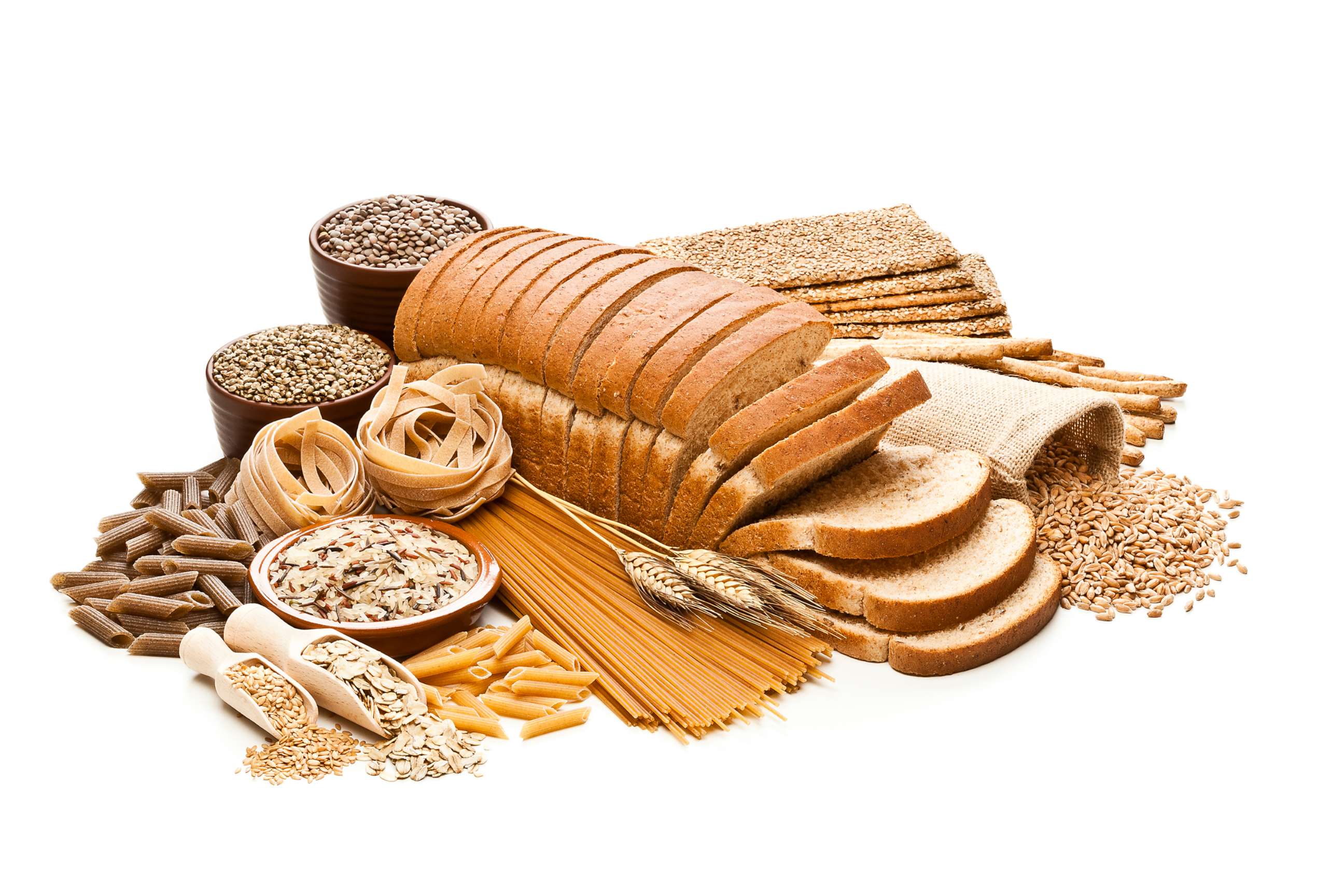
Mediterranean diet patterns with higher intake of fish, chicken, whole grains and fruit have also been associated with better sperm quality in men.
Just as with women, a higher intake of trans fats and saturated fats has been consistently related to worse reproductive function in men, including lower testosterone.