HBCUs trying to bridge medical distrust in Black community amid COVID-19
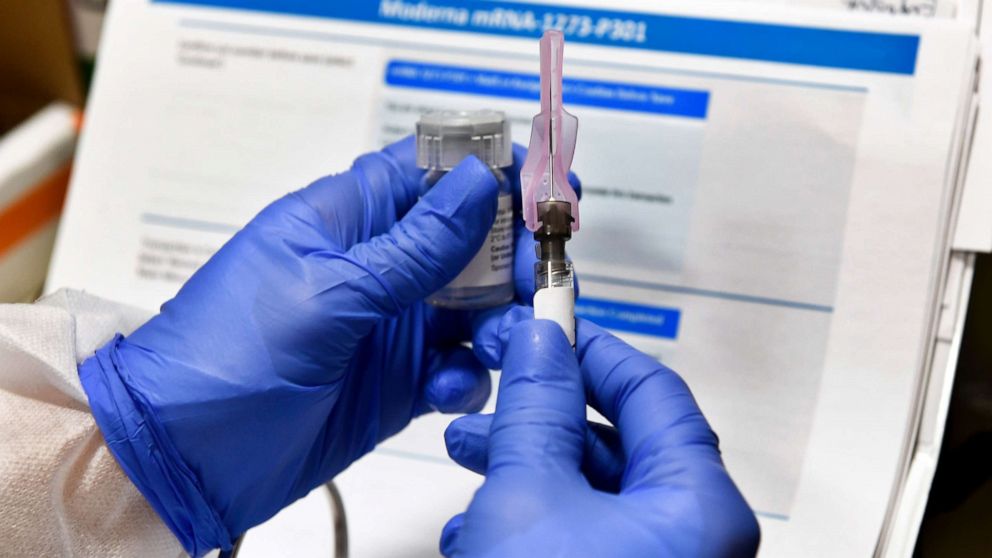
As the COVID-19 pandemic disproportionately impacts communities of color in the United States, dozens of historically Black colleges and universities (HBCUs) are stepping in to help lead the Black community to get tested more and to participate in vaccine trials. But medical misuse from past research experiments carries a daunting history of mistrust, causing many Black people to think twice before jumping in line to participate.
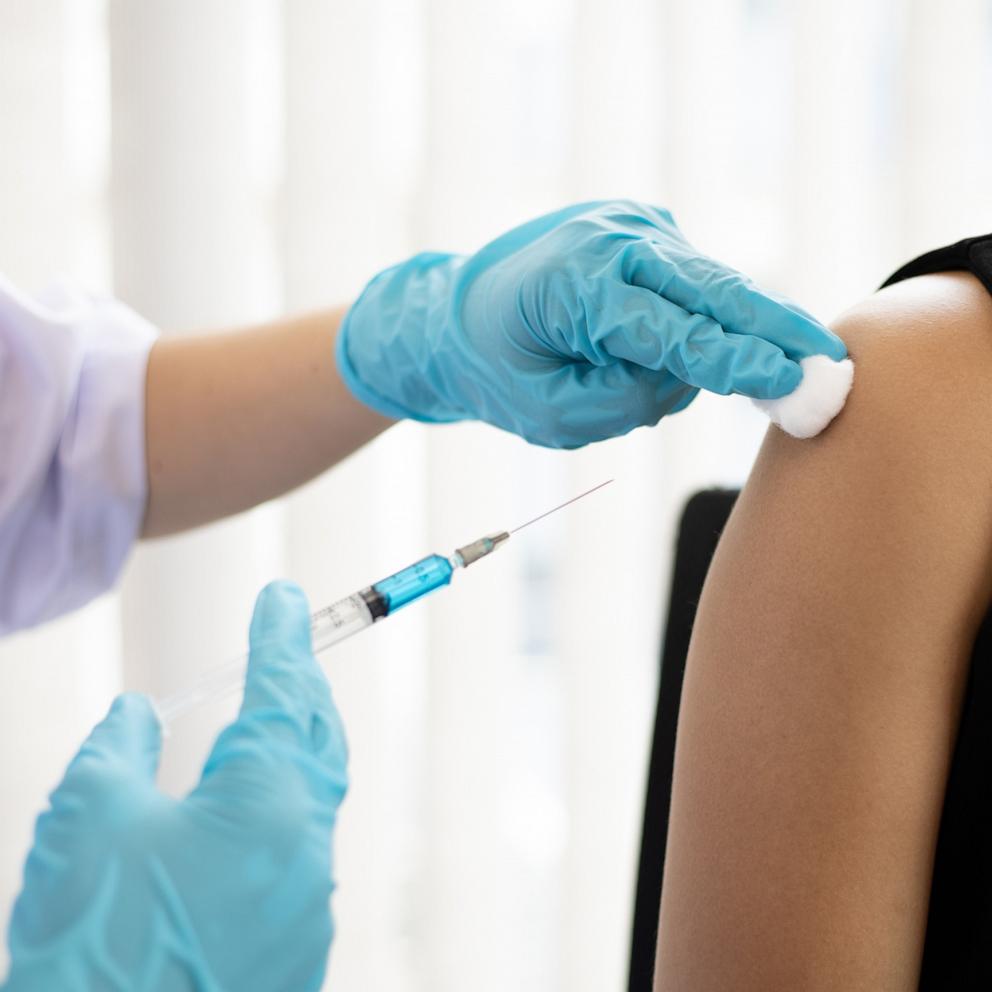
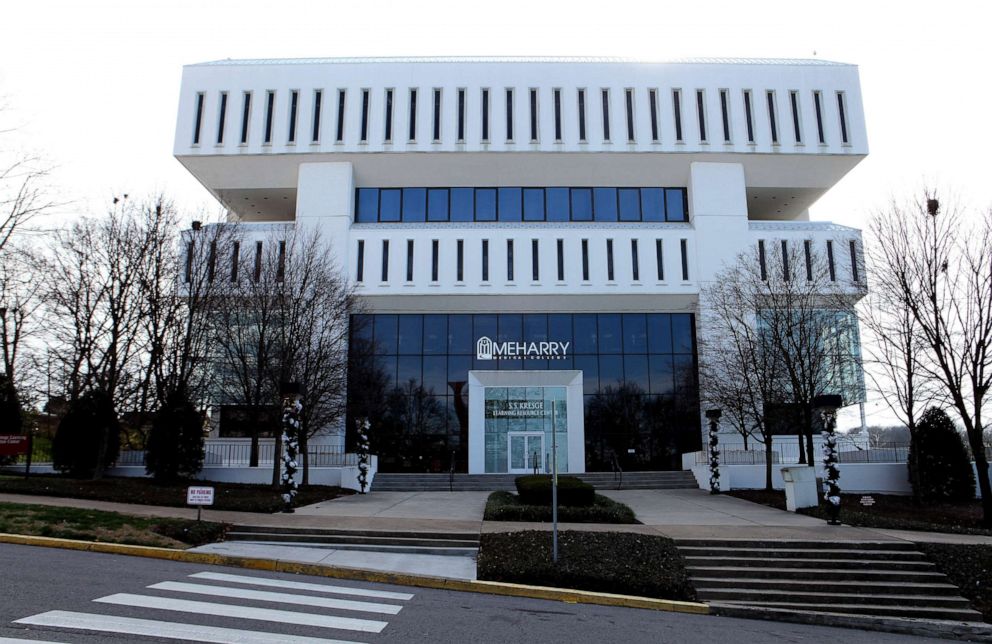
Meharry Medical College is expected to begin the Novavax vaccine trial in the coming weeks, according to Dr. Rajbir Singh, Interim Director, Clinical and Translational Research Center at the institution. Morehouse School of Medicine is also expected to begin vaccine trials in the coming weeks. HBCU counterparts will also serve as COVID-19 diagnostic centers.
Additionally, the Bill and Melinda Gates Foundation last week announced a $15 million donation over the next three years, in partnership with The Just Project, to help at least seven HBCUs serve as testing centers for students and members of their communities, considering most HBCUs sit in historically Black neighborhoods.
But appeals to HBCU communities to participate in the research and testing have caused controversy.
In early September, the presidents of Xavier University of Louisiana (XULA) and Dillard University released a letter encouraging students and faculty to consider participating in the COVID-19 vaccine clinical trials. President Walter M. Kimbrough of Dillard and Dr. Reynold Verret, president of XULA, wrote that they participated in the trials and reported normal symptoms.
While Black people represent 13.4% of the U.S. population, they only represent 5% of clinical trial participants, making it more challenging to level the playing field for Black people in medical research advancement.
According to the U.S. Food and Drug Administration, diversity in clinical research is critical to ensuring the development of therapies that are simultaneously safe and effective for patients from diverse backgrounds.
However, the presidents' letter led to an uproar on social media from HBCU students and onlookers, with many saying it may have added additional pressure on Black students and faculty dealing with the coronavirus pandemic.
"I think social media multiplies voices in interesting ways," Verrett told ABC News, countering the appearance of the retweets. "We generally received positive feedback from our alumni."
Blair Kelley, assistant dean of interdisciplinary studies and a history professor at North Carolina State University, sparked thousands of reactions with a tweet calling out the presidents for using university letterhead in the appeal.
"I think it's fine for them to encourage their peers and community to participate in trials, but I do think there's a power dynamic at play. I don't think you should use the power of your institution to do that work. I think you should use your influence as an individual," she told ABC News.
Some compared the vaccine trial to the 1932 Tuskegee syphilis study -- an unethical case where hundreds of Black men were injected with syphilis and left untreated. At least 128 participants died and 40 of their spouses and 19 children also contracted the disease. In 1972, the Associated Press broke the story, forcing the study to shut down immediately and sparking public outrage.
Despite a $10 million out-of-court settlement for the participants and their families, the notorious experiment left a lasting stain on medical studies for the Black community for generations, building a stigma around medicine.
"Medical establishments have to do better. They have to re-train their faculty and staff to think in humane ways about their Black patients to treat them with the equity that we hope to see in every sector of society," Kelley said.
That is something the universities and presidents also consider. XULA is listed first among the nation's colleges and universities for African American students who continue their education and complete medical school, according to a special report compiled by the Association of American Medical Colleges.
"There have been so many missed opportunities because of the exclusion of African American tribes," Verrett said. "We cannot benefit from a health care system in which we are absent."
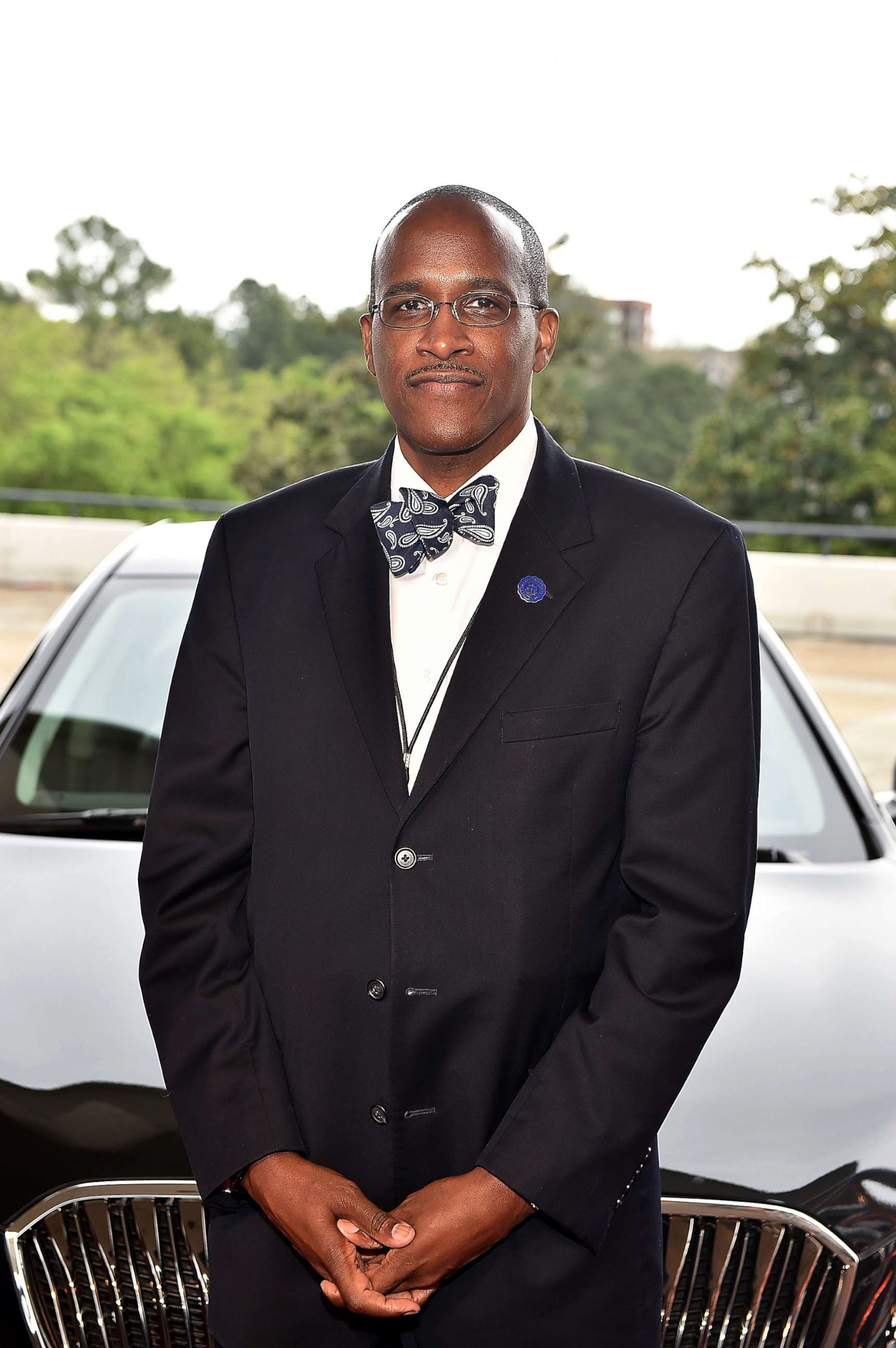
Verrett denied all allegations of any financial gain for XULA for asking students to consider participating in the trials. He said his goal with the letter was to educate and advance his students.
"There's a lot of thinking and learning that has to be done, and that learning is a teachable moment for our students," he said.
While HBCUs and Black community leaders work for more participation, clinical researchers say they're still struggling to maintain diverse trial participation. Clinical research consultants Sholeh Ehdaivand and Sherri Boykin say one root of that is that there's not enough diversity among clinical investigators involved in the research during the clinical vaccination trials.
"It all stems from who you know," Boykin told ABC News, explaining that the government selects clinical investigators, who run the trials, and people generally stay within the same circles -- leading to Ivy League schools' outsized involvement in trials.
"Investigators involved in the clinical research trials should look beyond large predominantly white institutions that usually get priority ... try going a few miles down the road to include minority institutions as well," Boykin, who founded Marlee Research Group, an organization working to increase diversity within clinical trials, with Ehdaivand, said.
Still, Ehdaivand and Boykin believe public health information and outreach is only half the battle; "the Black community also owes it to themselves to do their research and get involved with your own health care," Ehdaivand said.
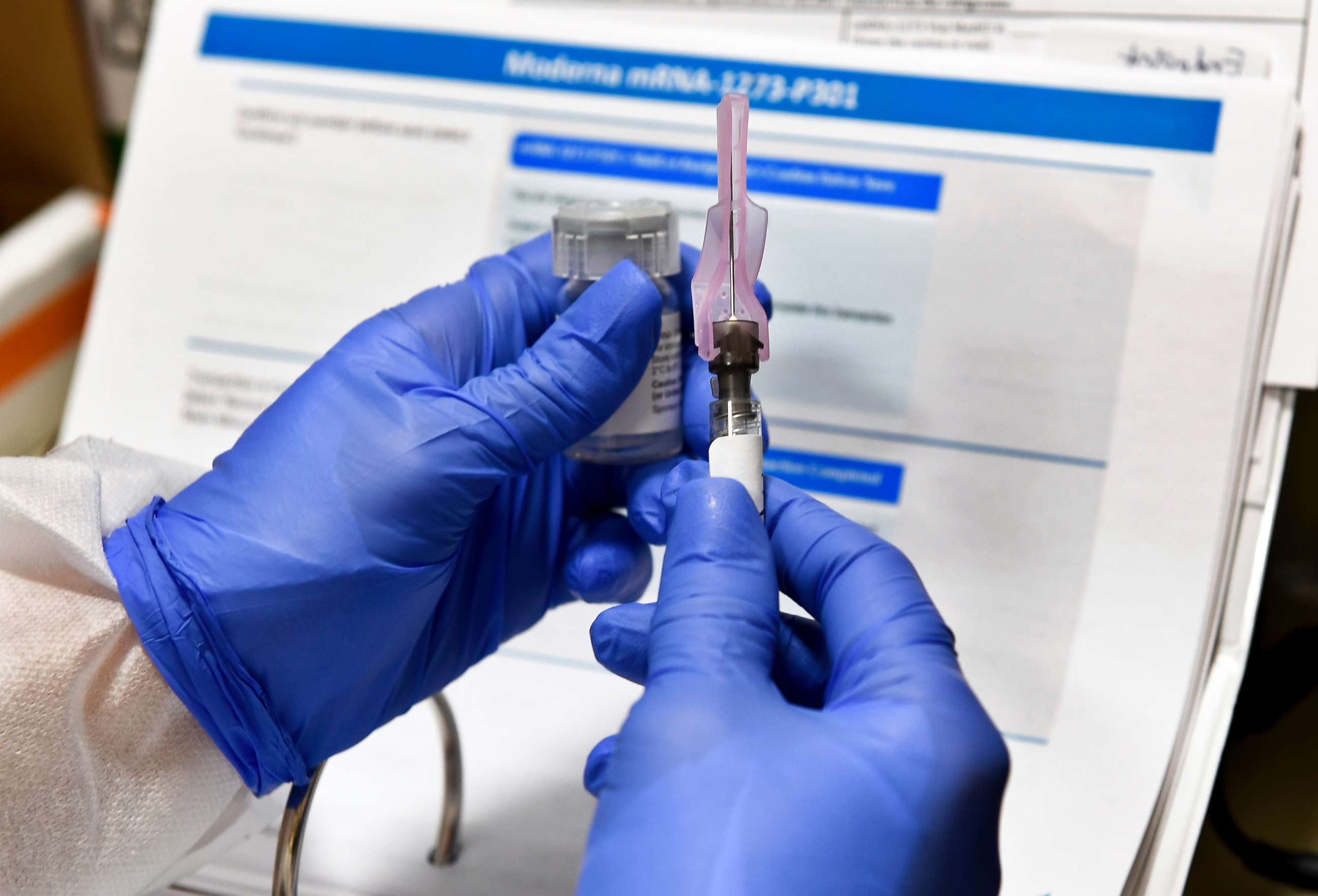
As of Oct. 16, Moderna says approximately 36% of study participants in its COVID vaccine trials are from communities of color. Pfizer recently expanded their pool of COVID vaccine trial participants by including 16- and 17-year-old teens and higher numbers of Hispanic, Black, Asian, and Native American participants.
While HBCUs prepare to expand COVID-19 testing across campuses and establish the beginning stages of vaccine trials, hoping to break generational mistrust in American medicine and further medical advances by including the people who need it the most, there are still myriad systemic forces at work amid the pandemic.
"We're dying at high rates because we're essential workers," Kelley said. "We're dying at high rates because we live in food deserts. We're dying at higher rates because we suffer from diseases at higher rates because we have less access to medical care. That's not being Black, that's racism."