Some health officials struggling with new monkeypox vaccine injection method

Some states and jurisdictions are hitting early bumps in their rollout of the U.S. government's new approach to expand access and supply of monkeypox vaccines to more at-risk Americans, local officials have told ABC News, as providers face a steep learning curve with the new inoculation method.
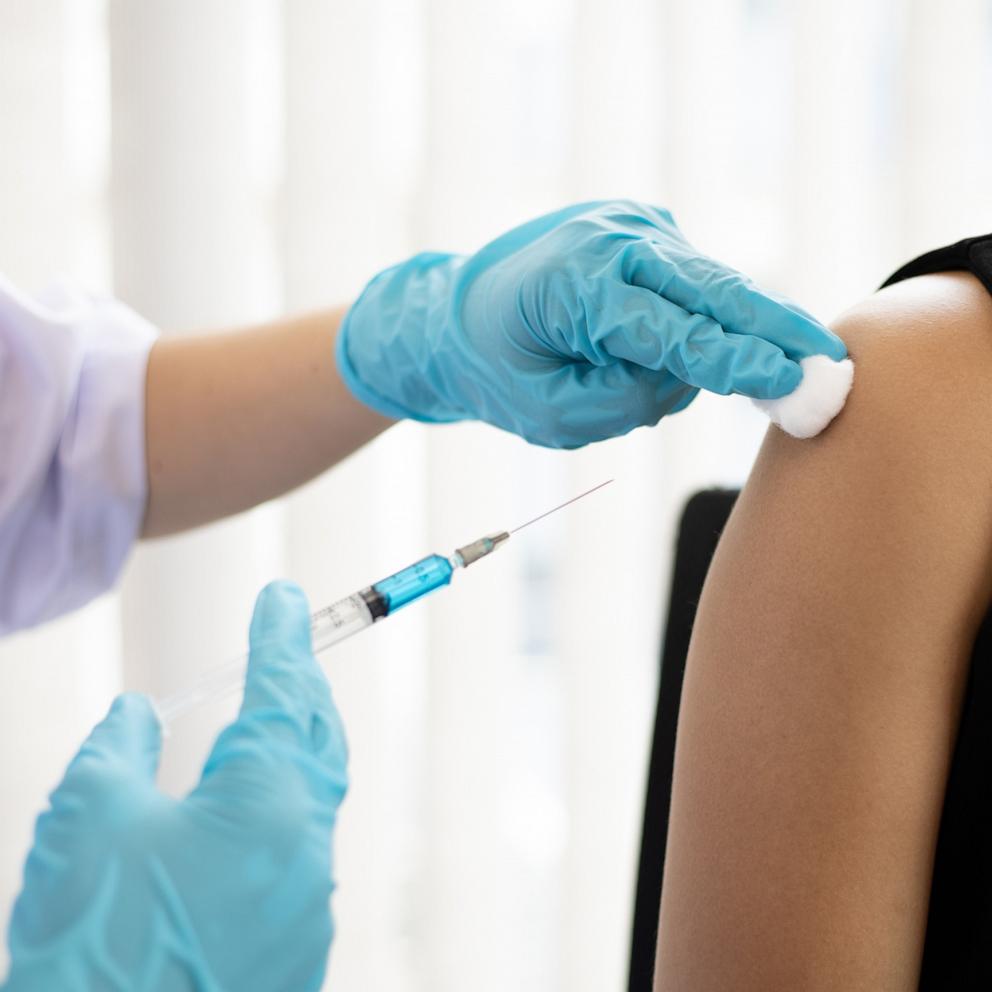
Earlier this month, the Biden administration announced it was launching a new plan to increase the country's monkeypox vaccine supply by shifting the way the shots were administered from a traditional subcutaneous injection in the arm, to an intradermal technique of smaller, shallower injections.
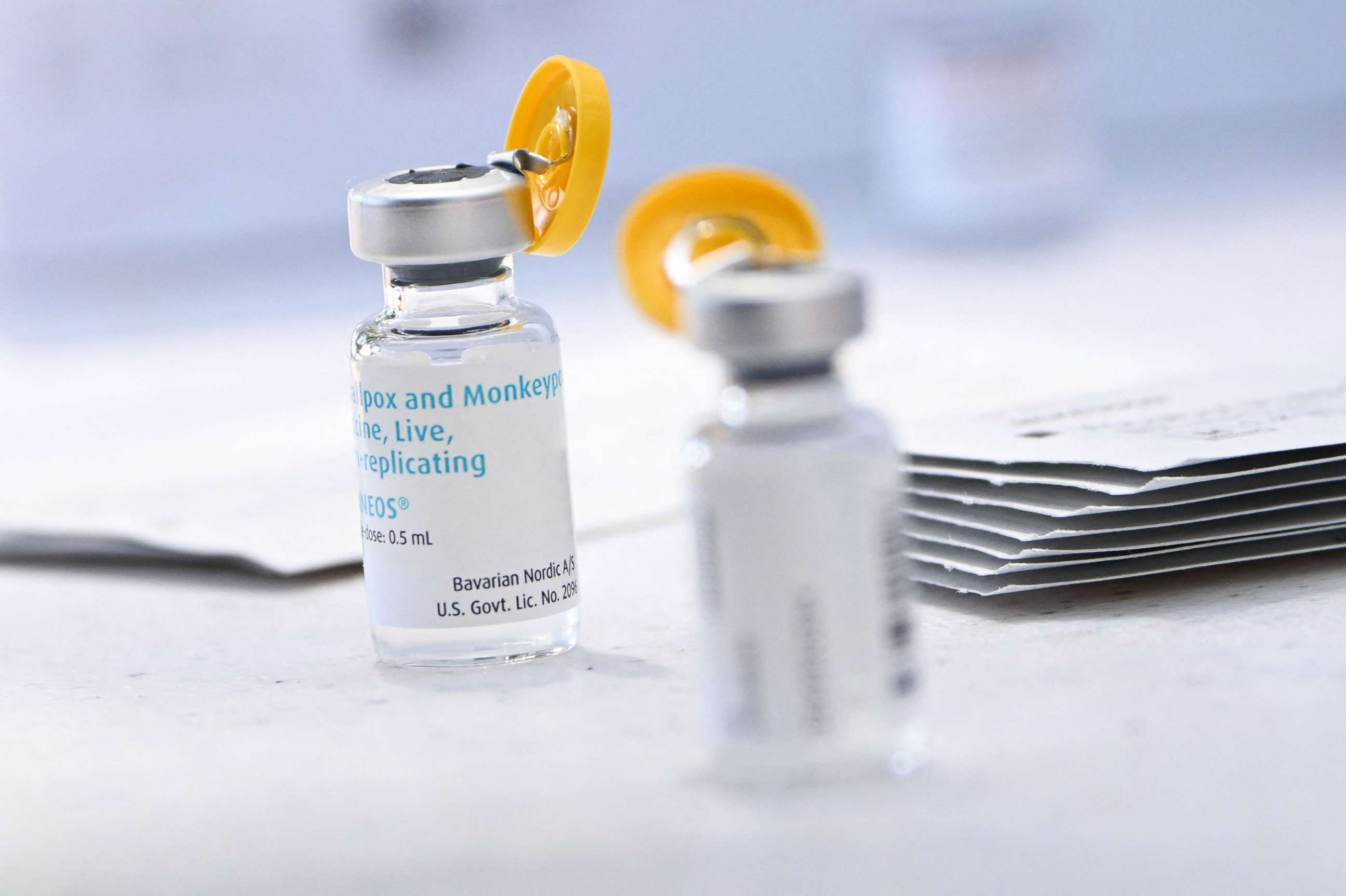
The new intradermal technique requires just a fraction of a vaccine per shot. Instead of using one vial per vaccination, the approach produces a total of five vaccinations per vial, according to federal officials. At the time, these officials acknowledged that giving shots this way would require more technical skill.
Now, several state and local officials from across the country have told ABC News that some of their clinicians are struggling to extract all five doses from the vial.

"We have also heard reports from some of our providers that they have been only able to extract three or four doses per vial," Nikki Ostergaard, from the Washington State Department of Health, told ABC News.
Health officials in Texas confirmed to ABC News that although some providers have been able to successfully extract five doses from the vials, others "cannot get five doses." In Maryland, a representative for the health department also confirmed it has heard anecdotal reports of the issues.
The Association of Immunization Managers (AIM) confirmed to ABC News that its executive director, Claire Hannan, has also heard that some clinicians are running into trouble with the extraction process, and thus, the organization is working to educate health officials to prepare them for the injection process better.
"The needles that are used make a difference. And AIM hopes that as clinicians get more proficient with the ID technique, this will improve," a representative for the organization said in a statement.
White House National Monkeypox Response Deputy Coordinator Dr. Demetre Daskalakis told Stat News that his team has "definitely" heard of the issues arising from local jurisdictions, adding there has been a range in the number of doses clinicians are able to extract, with most reporting that they are getting between three and five doses.
Concerns about the intradermal approach from local officials
In the weeks after the U.S. government announced the shift in vaccination strategy, local officials have had some initial concerns about training health care providers on how to administer the shots with the new technique.
New York State Health Commissioner Dr. Mary T. Bassett said during a press conference this week, with Gov. Kathy Hochul, that it is "not as pleasant" to get an intradermal injection, as it can scar and is "more painful."
"They're more complications at the site, that these aren't serious, but they're unpleasant," Bassett said.
But officials said given the ongoing crisis, vaccinating as many people as possible is crucial.
"We have been struggling with not having enough doses. And our obligation in public health is always to do the most good for the most people and intradermal administration will vastly expand our access to a scarce resource," Bassett said at the press conference.
Hochul noted this is "an interim approach until the supply chain challenges break," and when an unlimited number of vaccines becomes available, the state may consider going back to the original way of administering the shots.
In New York City, Health Commissioner Dr. Ashwin Vasan said Wednesday that it will take "some weeks" for the city to transition fully to an intradermal approach as they educate local clinics on the practice, but the transition is necessary because it is "really being mandated by the federal government."
"It's not optional," Vasan said at a city council meeting. "The federal government has made it clear that we won't get more vaccines until we make the switch and so we're making the switch."